

Plum Blossoms in Kyoto 2026
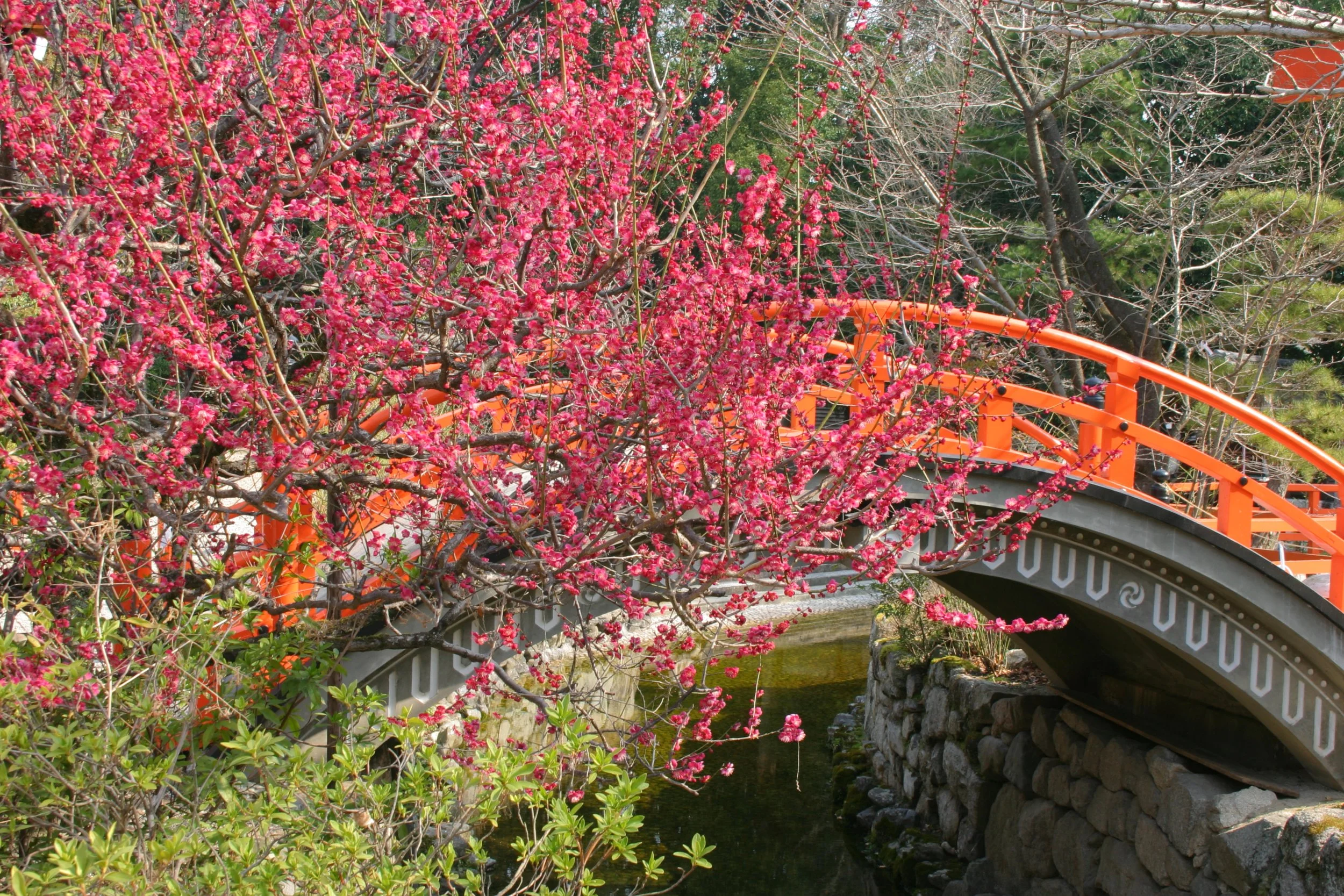
Plum blossoms by a bridge at Shimogamo Shrine, said to be the inspiration for Kōrin Ogata’s famous screen painting Red and White Plum Blossoms.
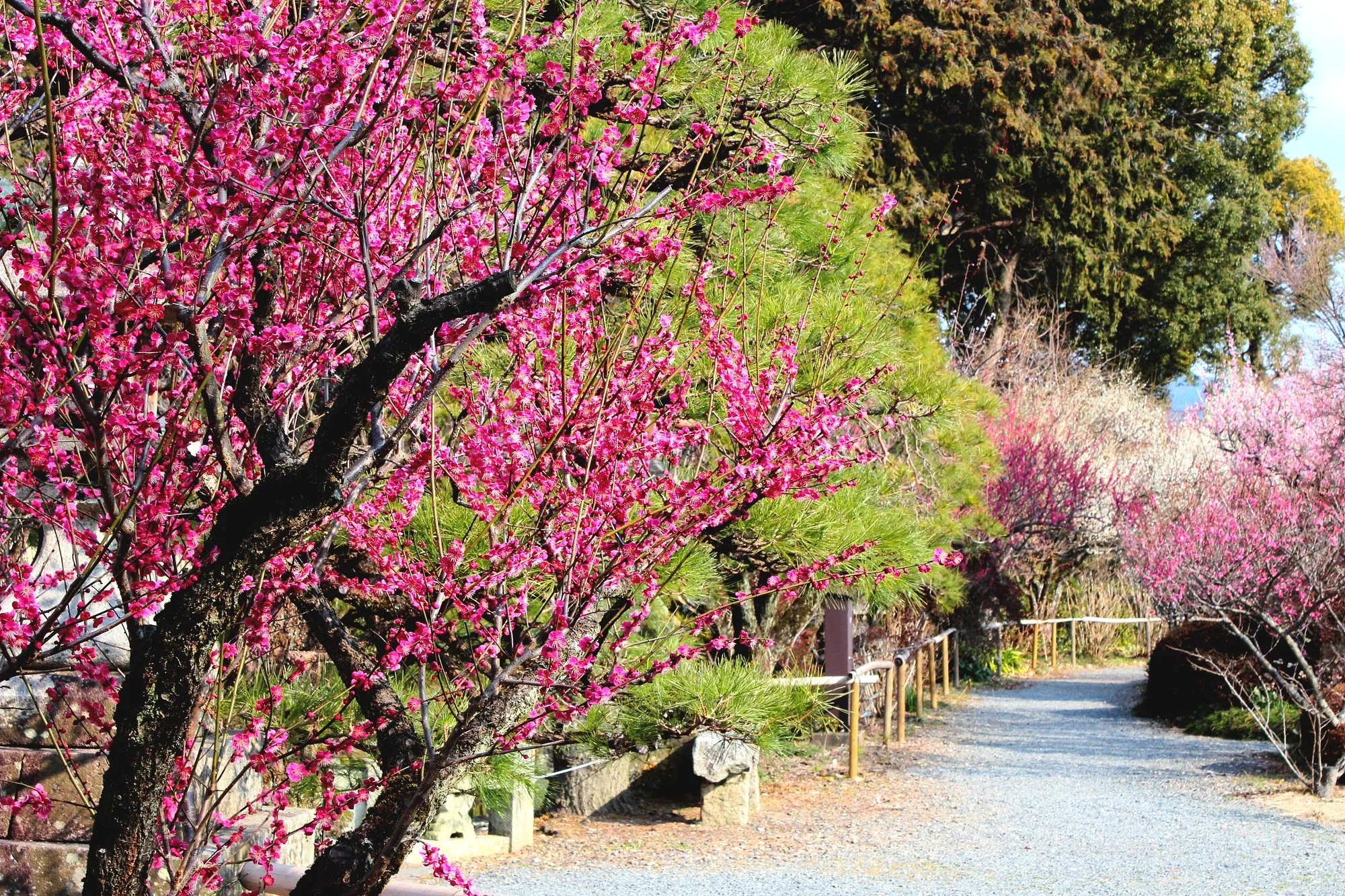
February in Kyoto is prime time for plum blossoms that are no less extravagant than the cherry blossoms that follow. Most reach their peak in late February and last until mid-March. Glorious plum blossoms can be seen in many temples and shrines. While some of them have only a few plum trees, their location by a sanmon temple gate, a torii shrine gate, a pond, a path or a bridge can make for the most picturesque scenes.
“Kōrin’s Plum” at Shimogamo Shrine is a case in point. While the shrine as a World Cultural Heritage site within the 1,000-year-old Tadasu Forest is worth visiting any day, its beauty in the Ume season is an inspiration. The tree(s) with deep red plum blossoms against an arched vermillion bridge over the Mitarai River are said to have inspired Edo period painter Kōrin Ogata into creating his Red and White Plum Blossoms double screen painting, one of Japan’s most renowned works.

An image of Red and White Plum Blossoms screen paintings by Kōrin Ogata, one of Japan’s greatest artists.
Here are our recommendations for viewing plum blossoms in Kyoto.
Kitano Tenmangū 北野天満宮
Most famous for its plum blossoms, with 1,500 trees of 50 different species, from mid-February to late-March.
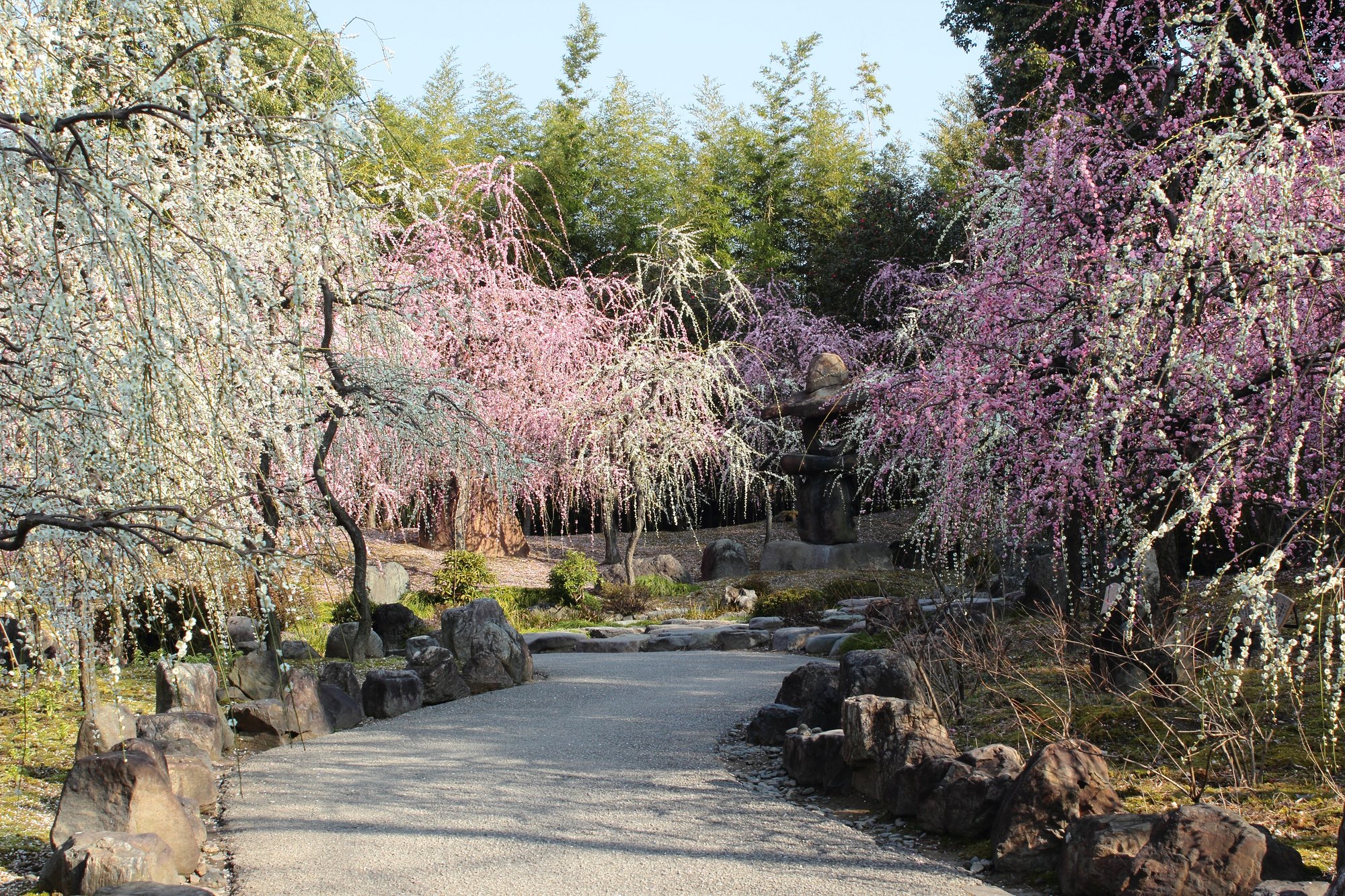
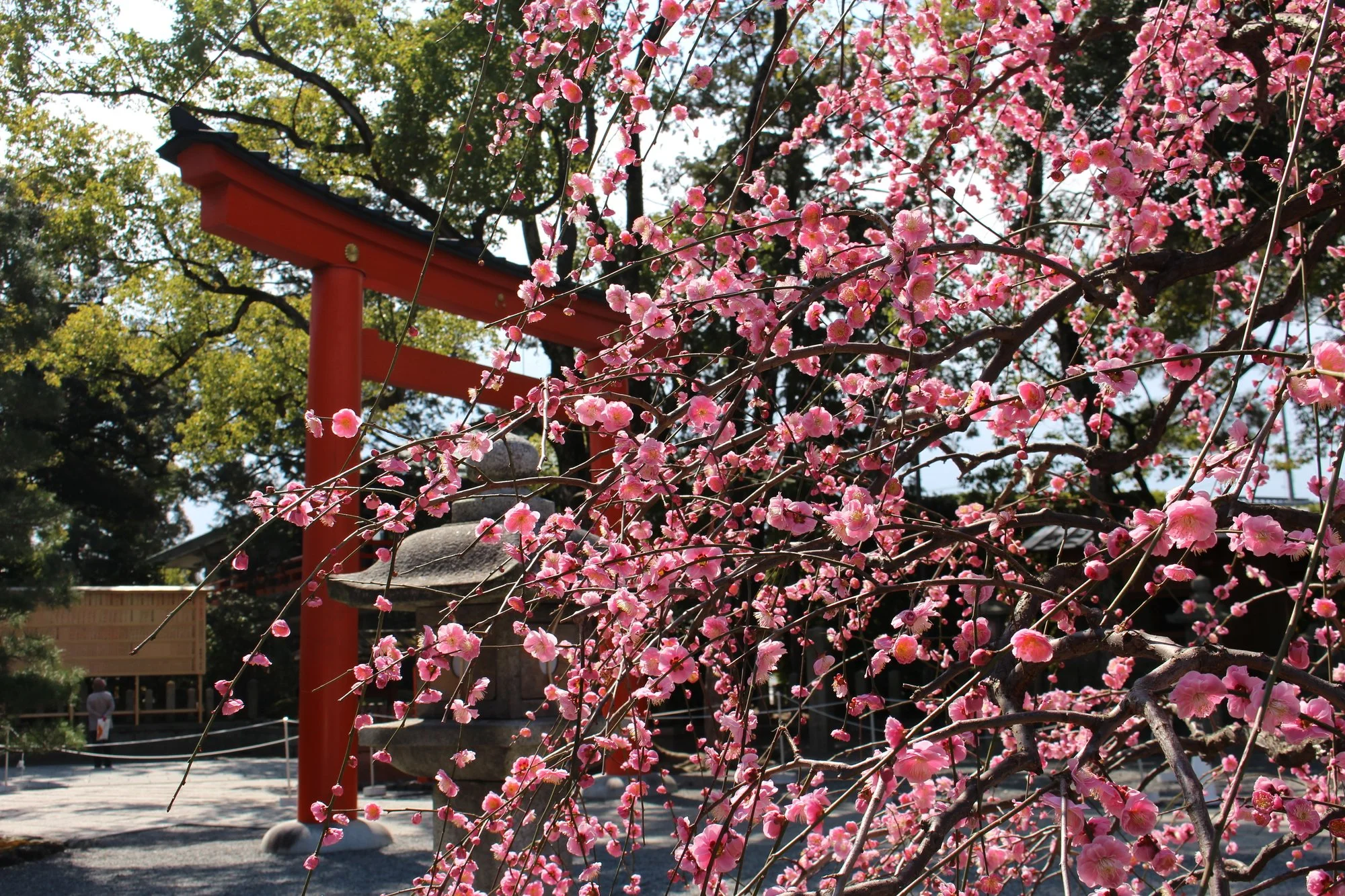
Jōnangū Shrine 城南宮
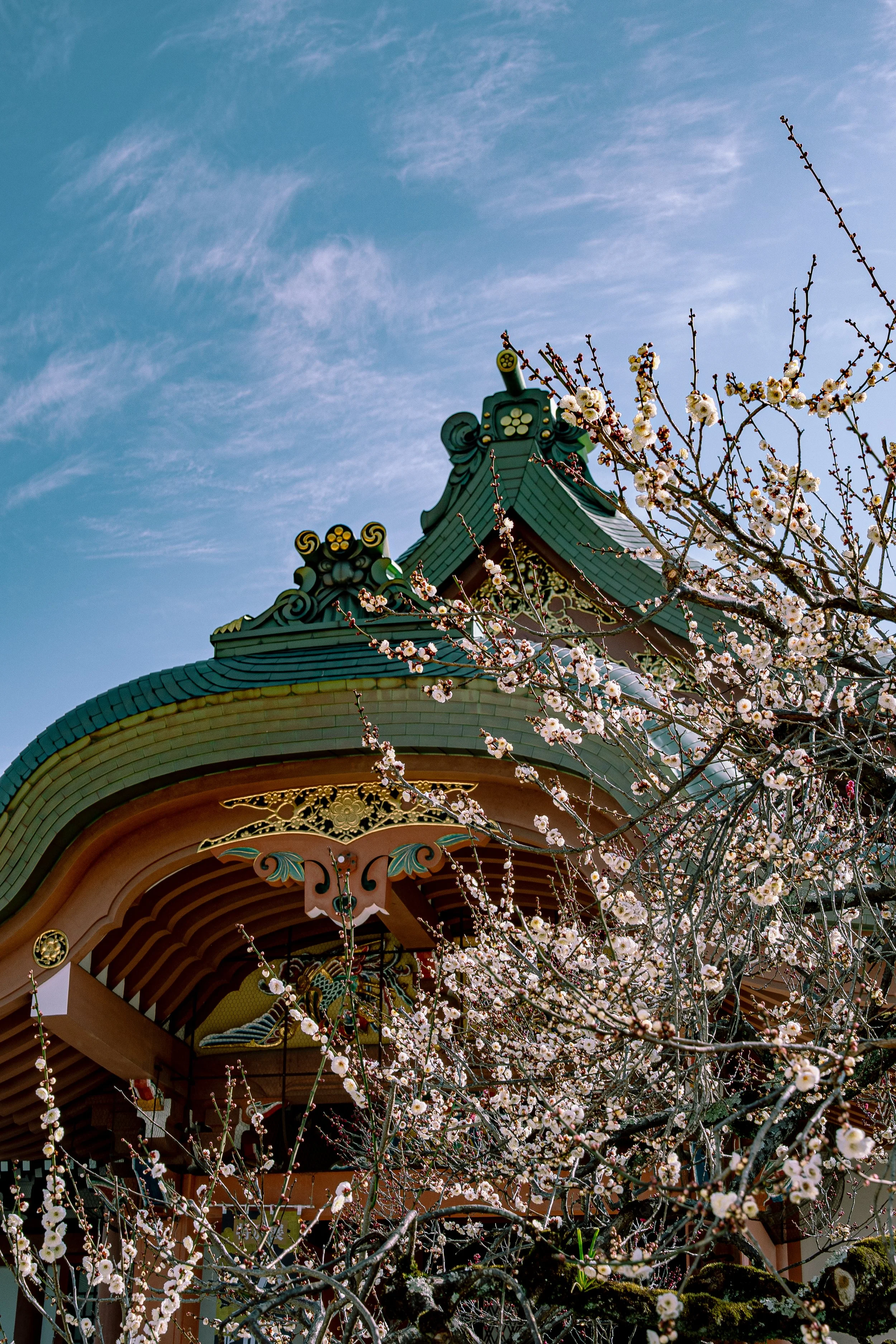
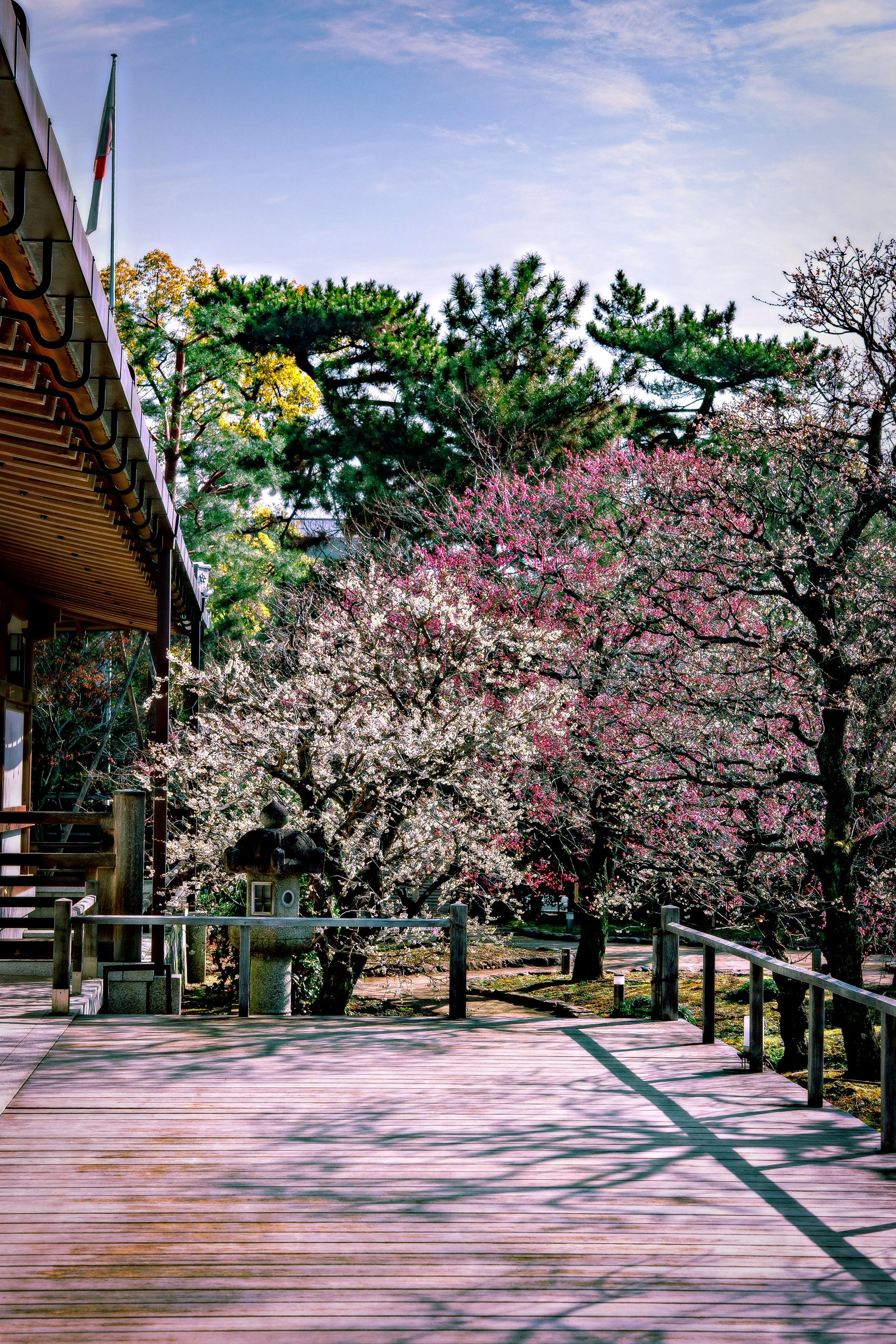
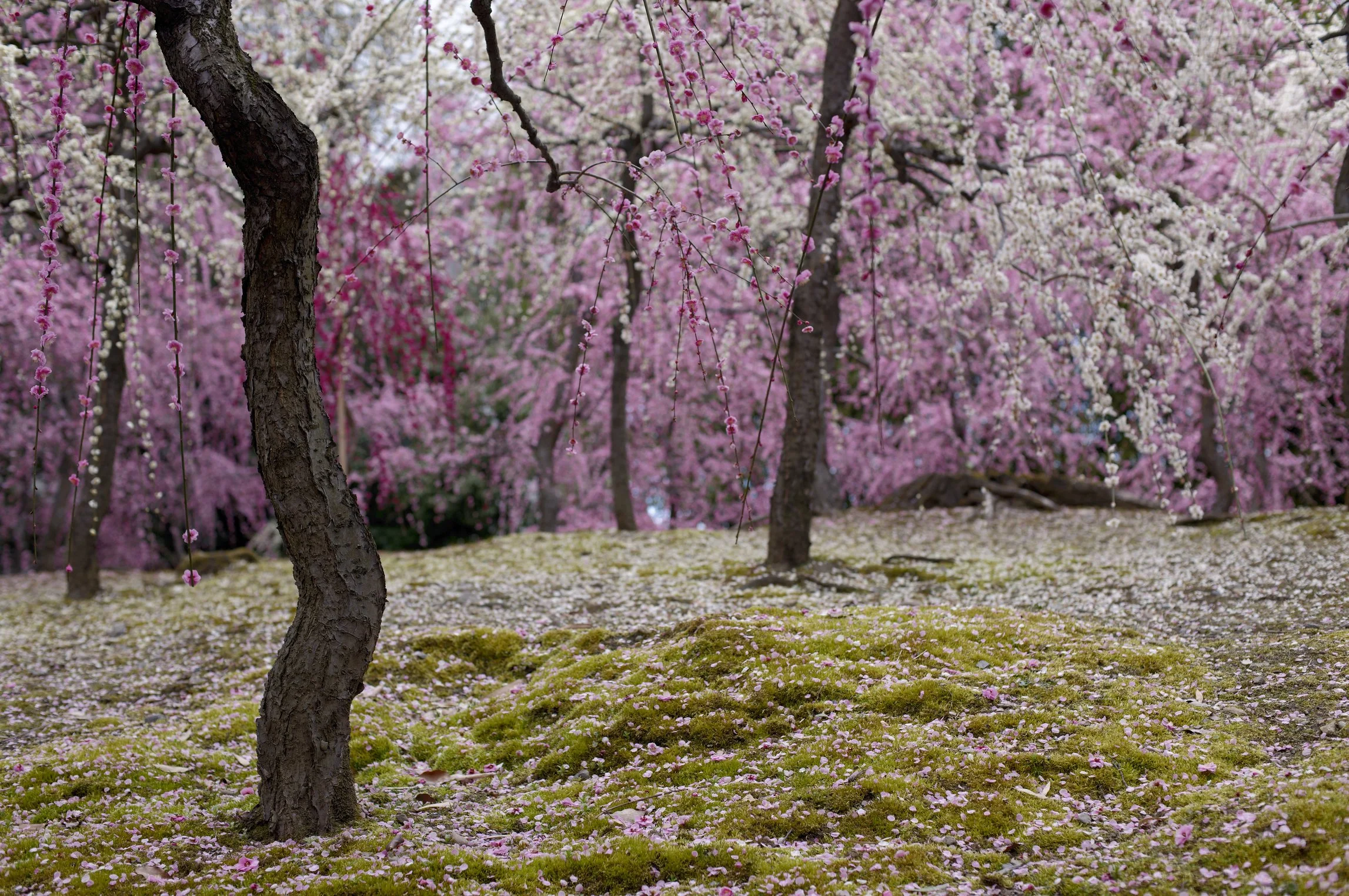
This shrine "south of the capital" is most renowned for its Weeping Plum and Camellia Festival. In 2026 the festival is from February 18 to March 22 (9am to 4:30pm last entry). The sight of camellia petals fallen under weeping plums is truly a sight to behold. From late February to mid-March.
Umekōji Park 梅小路公園
Named plum path park, it is one of the earliest blooming sites in Kyoto. Home to Kyoto Aquarium and Kyoto Railway Museum, this dog-friendly park with green lawns and stroll paths is less a tourist spot than a beloved community space. From early February to early March.
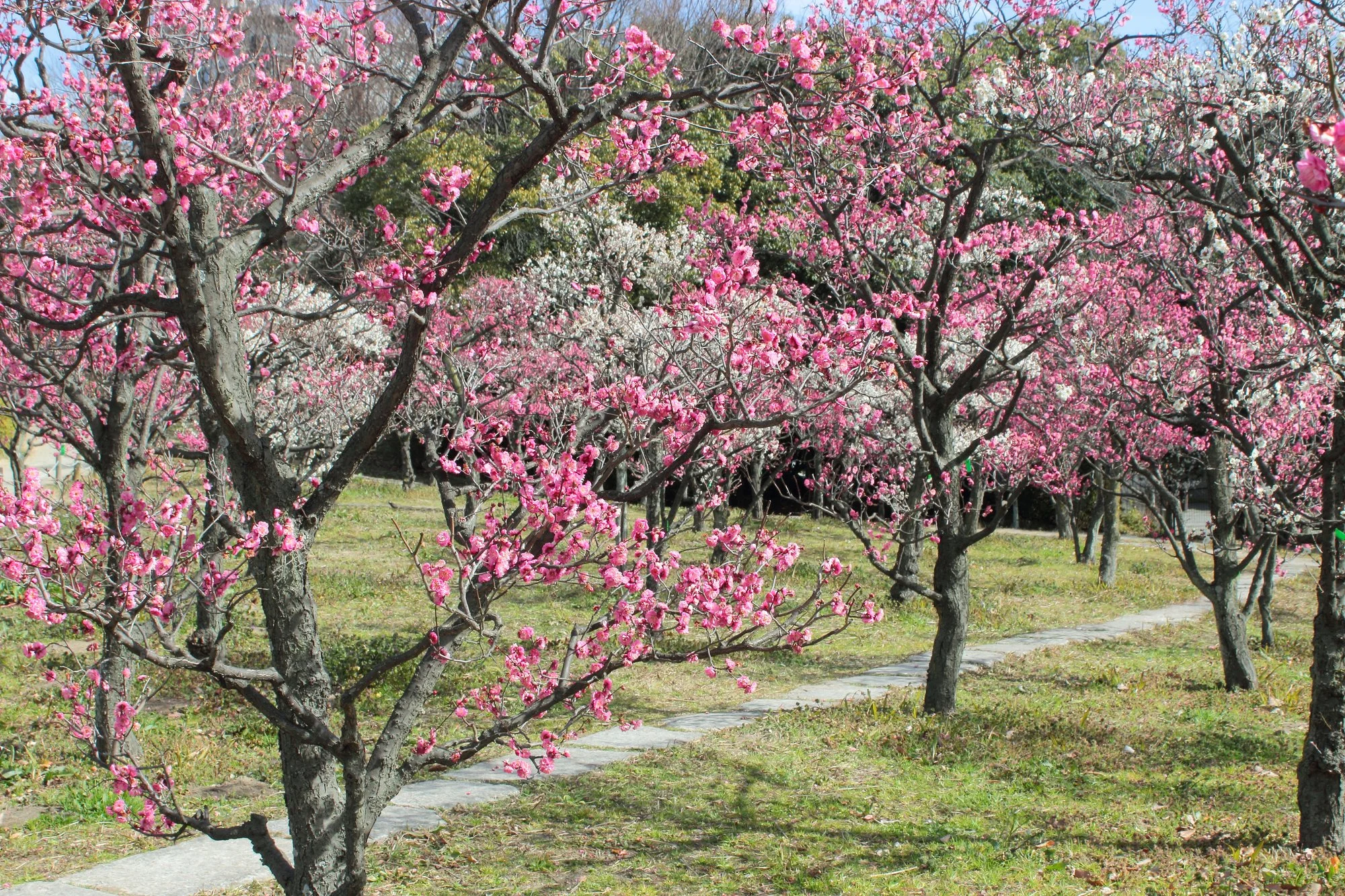
Umekōji Park 15 minutes walk from Kyoto Station
Chishaku-in Temple 智積院
This is a lesser known spot for plum blossoms, about 20 minutes walk from Genji Kyoto. From early February to early March.
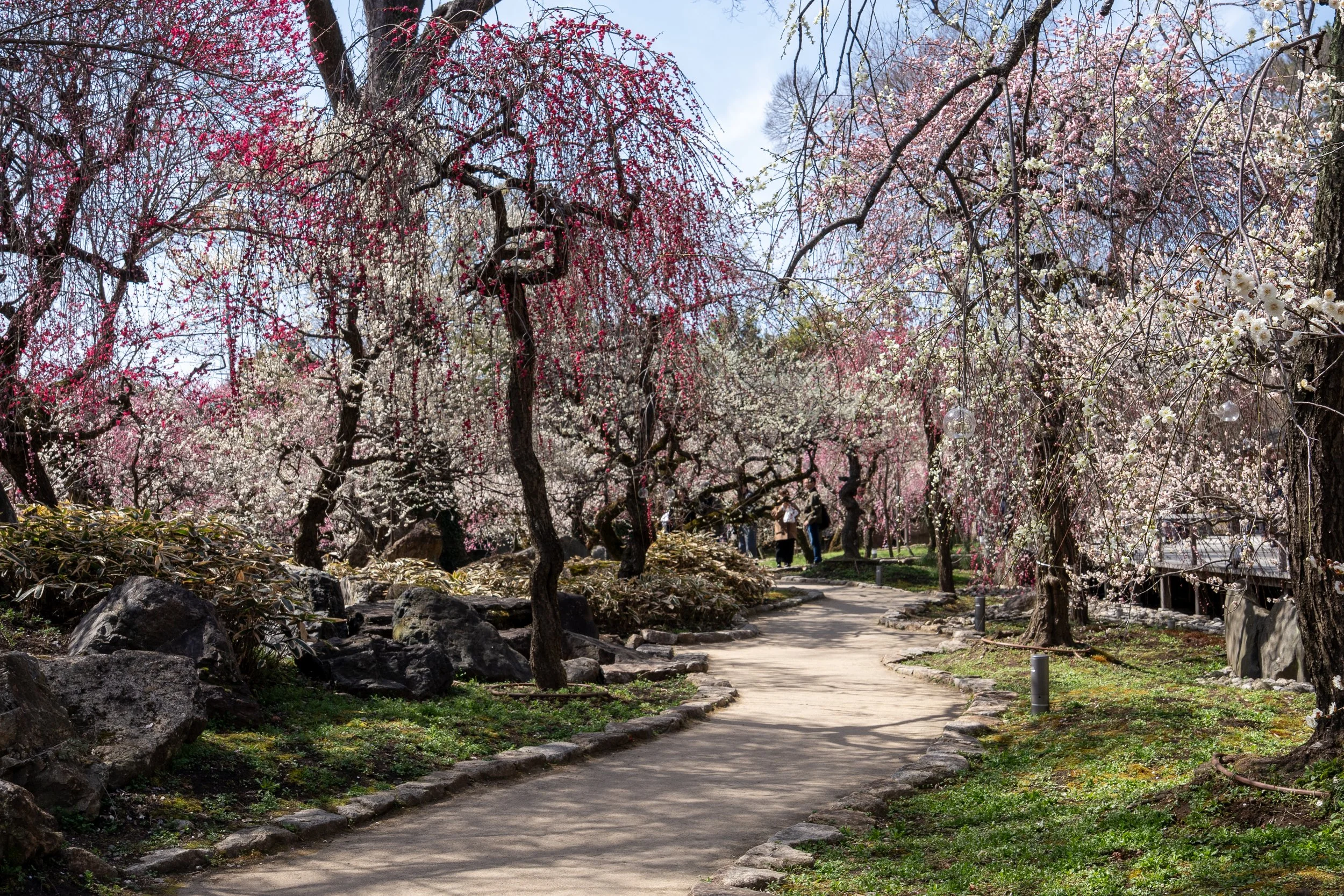
Kyoto Imperial Palace 京都御所
The 200 trees in the plum grove were grafted from various shrines in Kyoto. There are also peach trees in the peach grove. Around mid-March, plum blossoms can be seen with peach blossoms, and sometimes even with cherry blossoms if they open early. From mid-February to mid-March.
Kyoto Botanical Gardens 京都府立植物園
Due to the wide variety amongst the park's 150 plum trees, the blooming period is one of the longest in Kyoto, from early February to late March.
Nijō Castle 二条城
There are over 130 plum trees scattered in the castle gardens and in a plum grove. From mid-February to early March.
Umenomiya Taisha Shrine 梅宮大社
This shrine in west Kyoto boasts 400 plum trees of 35 varieties. They can be found at the shrine's gate, around the main hall and in the gardens. From mid-February to mid-March.
Shimogamo Shrine 下鴨神社
Don’t miss “Kōrin’s Plum” tree by the arched bridge over the Mitarai River, as it is famous as the inspiration for Kōrin Ogata’s national treasure screen painting “Red and White Plum Blossoms” featuring a new technique in depicting flowers.
