
Kyoto Craft: the Art of Intentional Hands (Updated)
In a world that often feels like it’s moving at the speed of light, there is a quiet joy in the simple act of making things by hand. Nowhere is this more evident than in the traditional crafts of Japan.
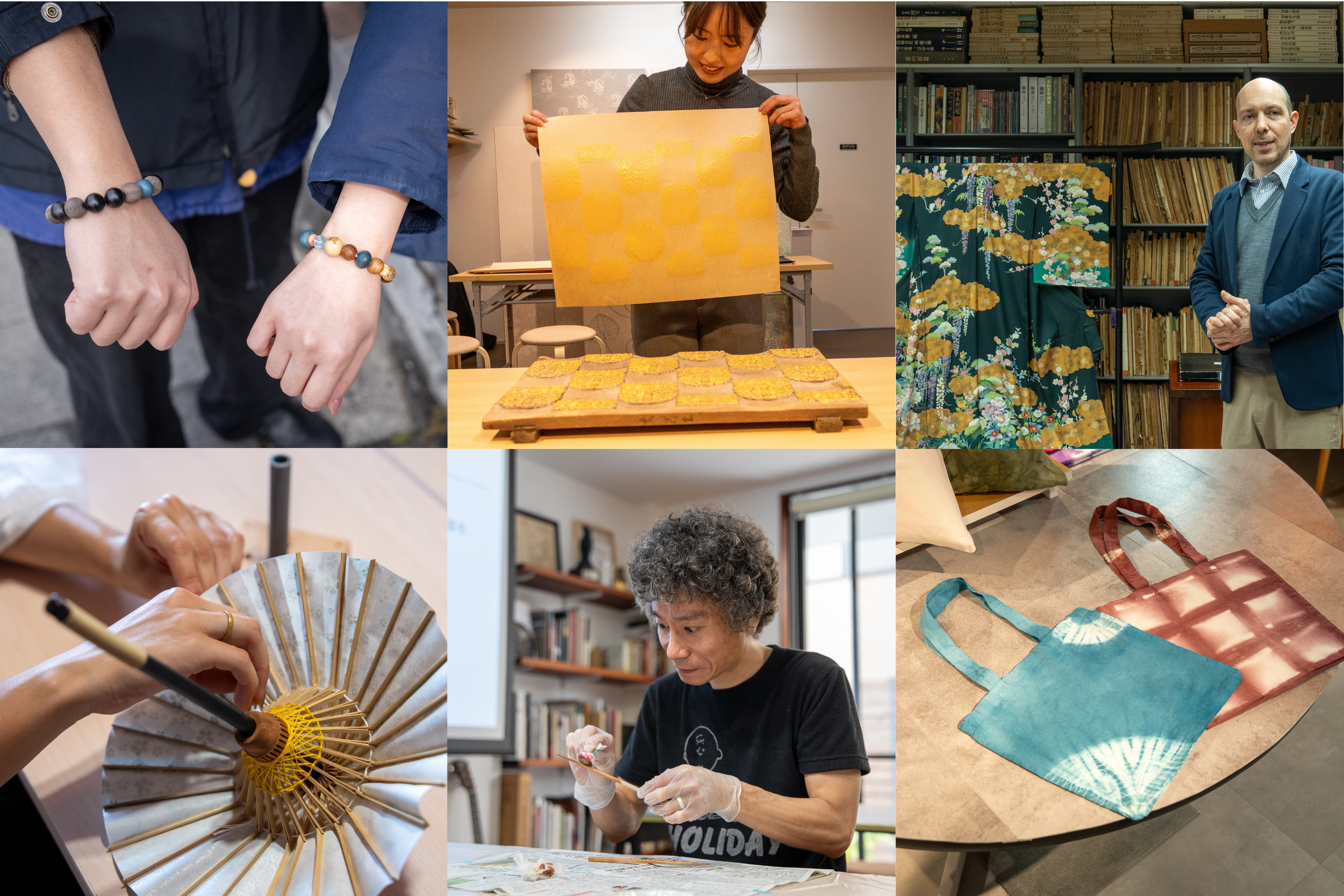
Here are 6 craft activities that we have personally experienced and found deeply satisfying - Shibori dyeing, Karakami woodblock printing, Yuzen painting on silk, crafting of Nenju bracelets, making Wagasa mini-umbrellas, and learning about Japanese lacquer in a workshop.
Behind every craft is a story of survival and adaptation of techniques that have been preserved and and renewed to the present day.
Whether you are tying fabric, pressing a woodblock, painting on silk, sliding a bead across a string, mounting Washi paper on bamboo ribs, or applying lacquer to chopsticks, you are engaging in a form of meditation that has been a part of Japanese culture since the time of the Samurai.
Shibori: the Art of Shaped Resist Dyeing
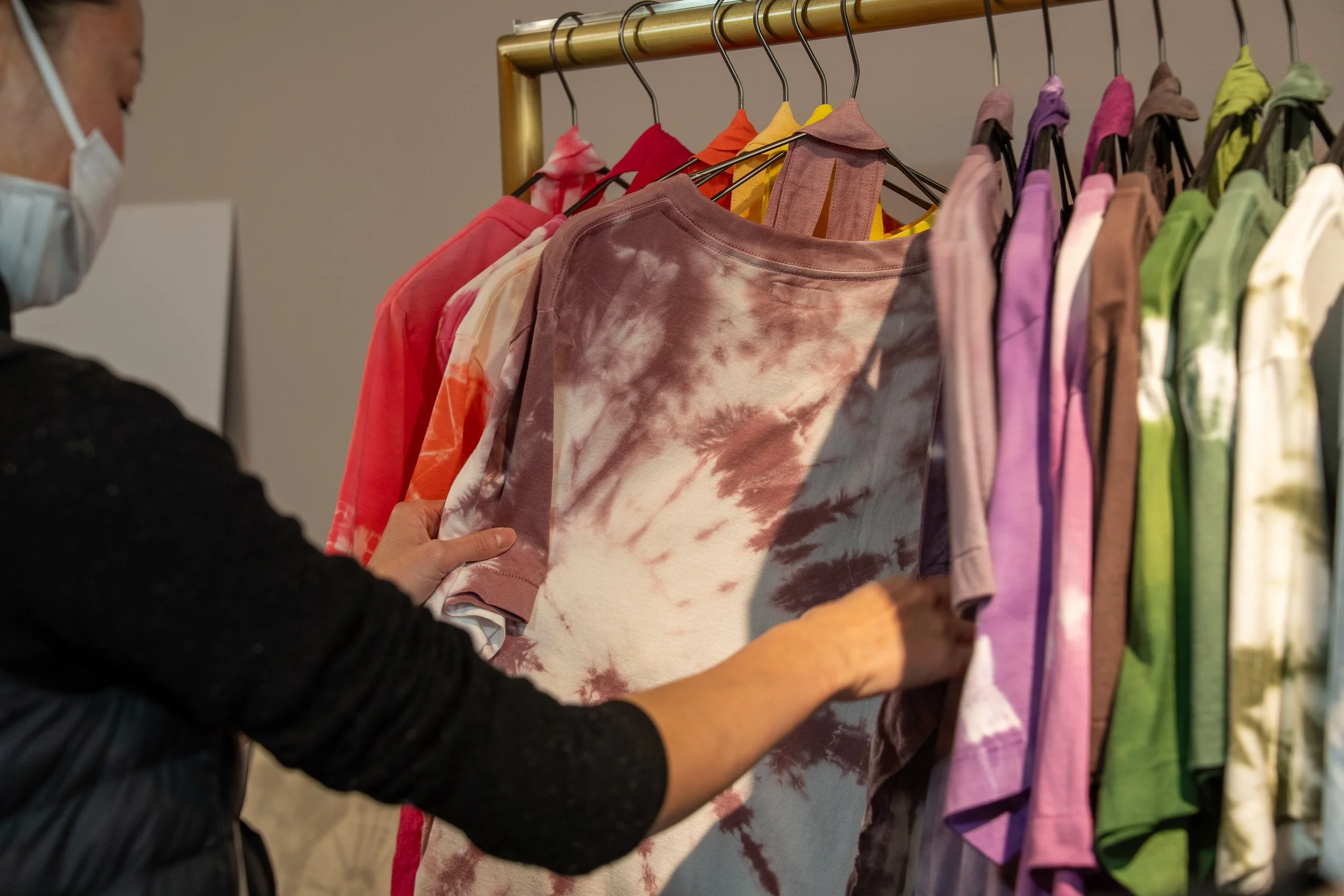
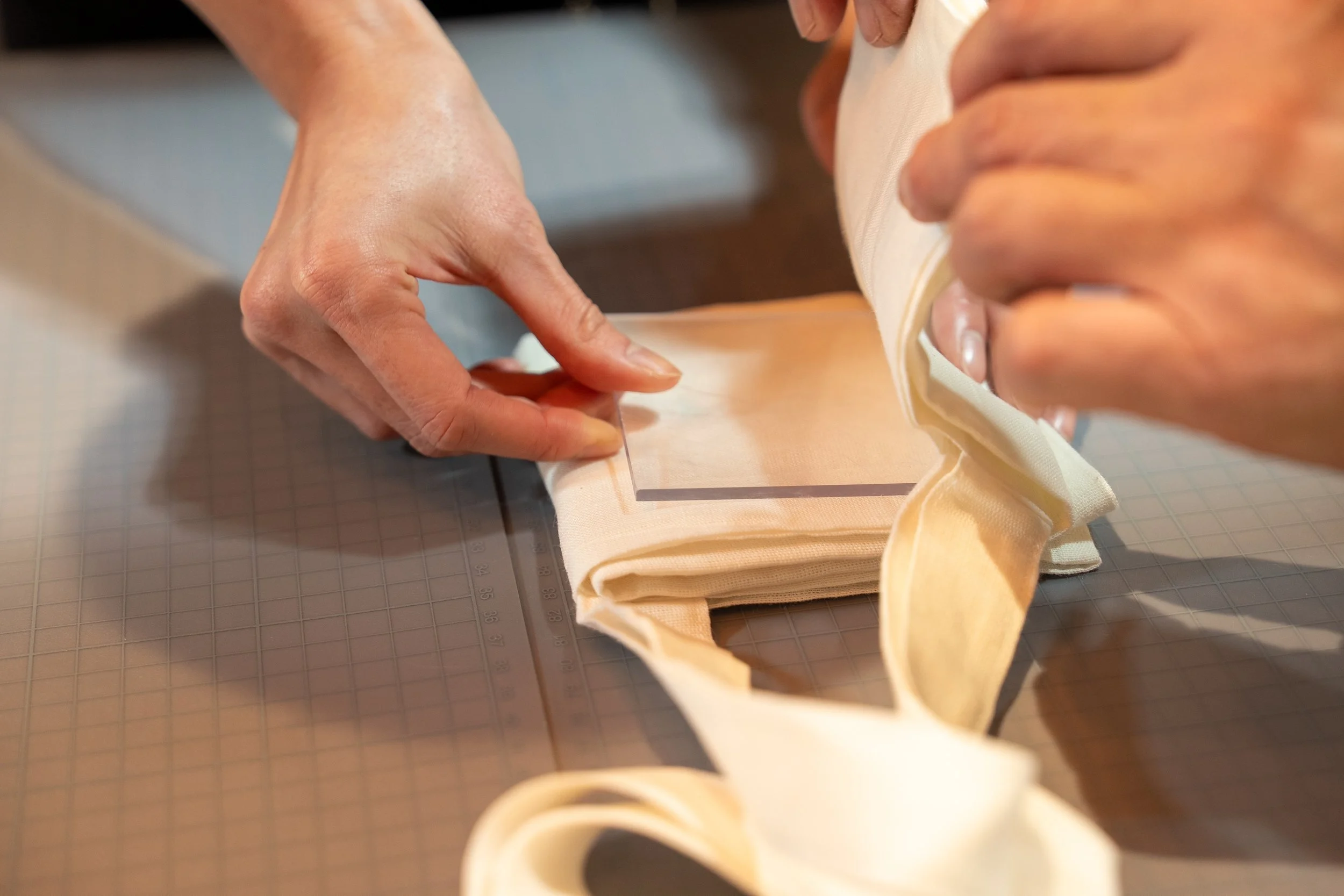
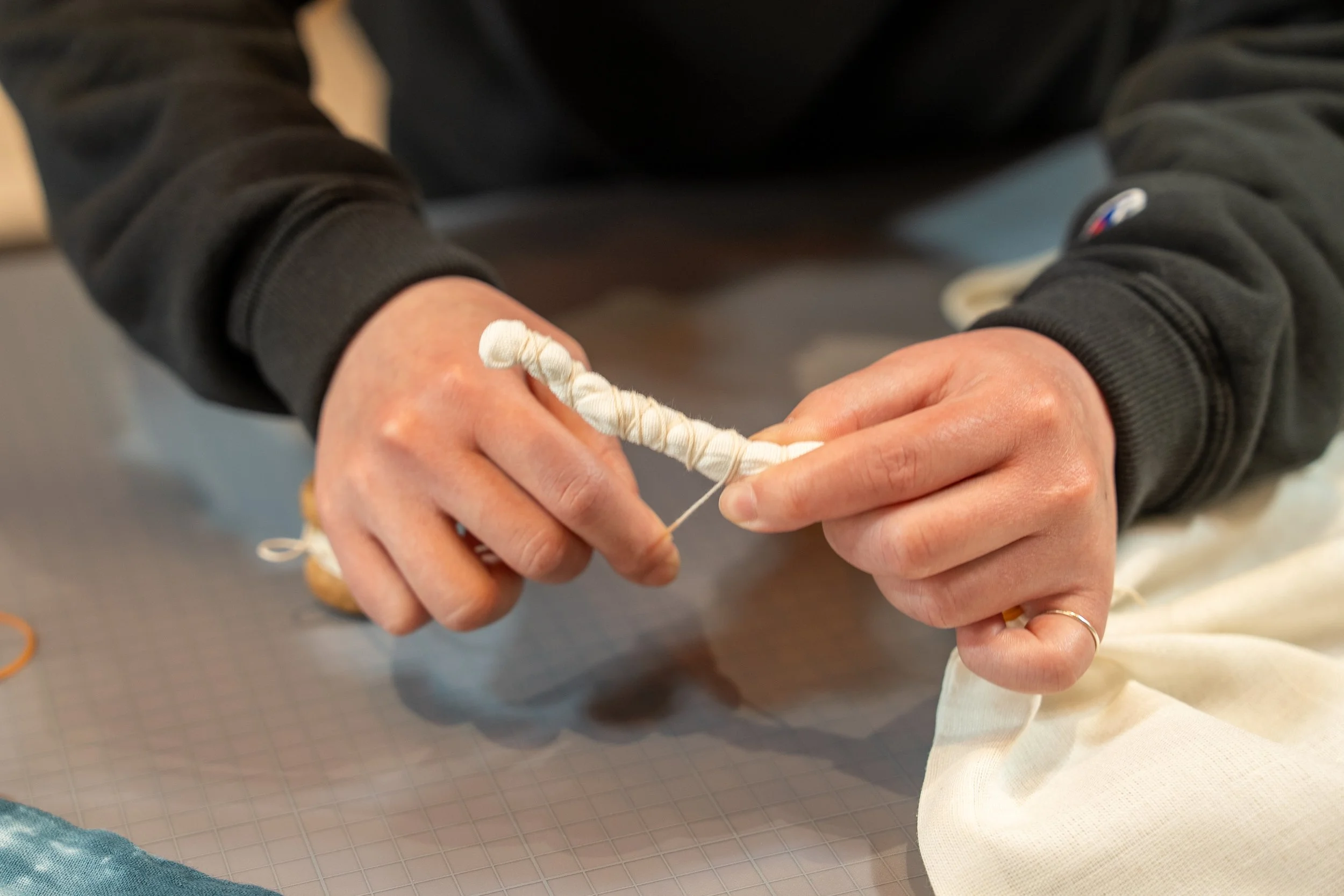
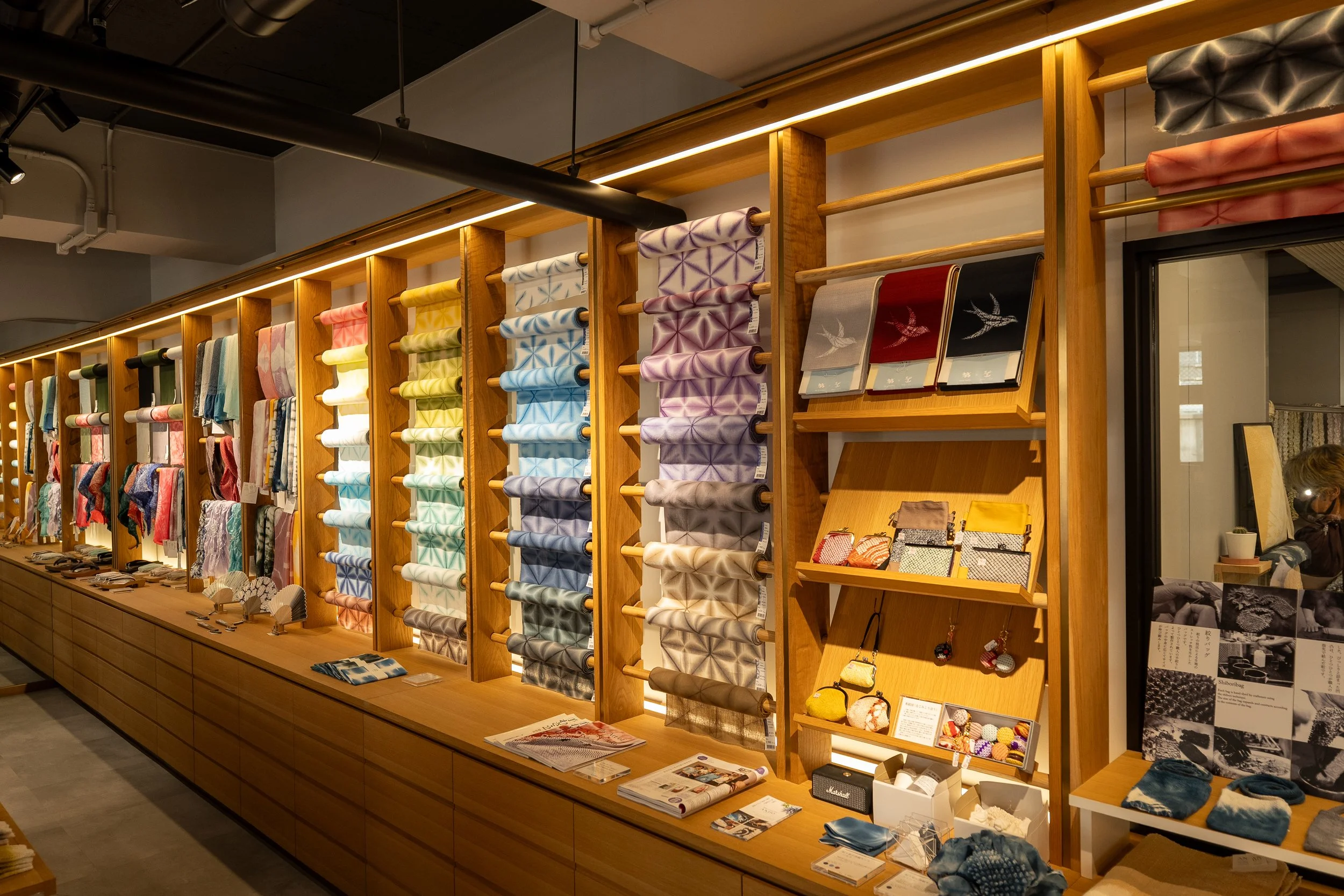
When you sign up for a Shibori workshop, you are not just learning to "tie-dye." You are taking part in the ancient global art of shaped resist dyeing, a technique that folds, twists, stitches or binds a fabric to shape the flow of dye and create patterns. Introduced from China in the 8th century, it was embraced, refined and elevated to an art form in Japan, reaching such a level of sophistication that it is known by its own name: Shibori.
Shibori was a craft of the common people from the Edo period, when crops failed and villagers produced tie-dyed towels and souvenirs to sell to passing travelers. An industry flourished and soon the lavish Kimonos made with Shibori patterns became so popular with the wealthy merchant class that the government tried to ban them, which of course made them even more sought after. As a symbol of prohibited luxury, Shibori became the source of high fashion amongst Geisha dancers and Kabuki actors from the "floating world" of Edo society.
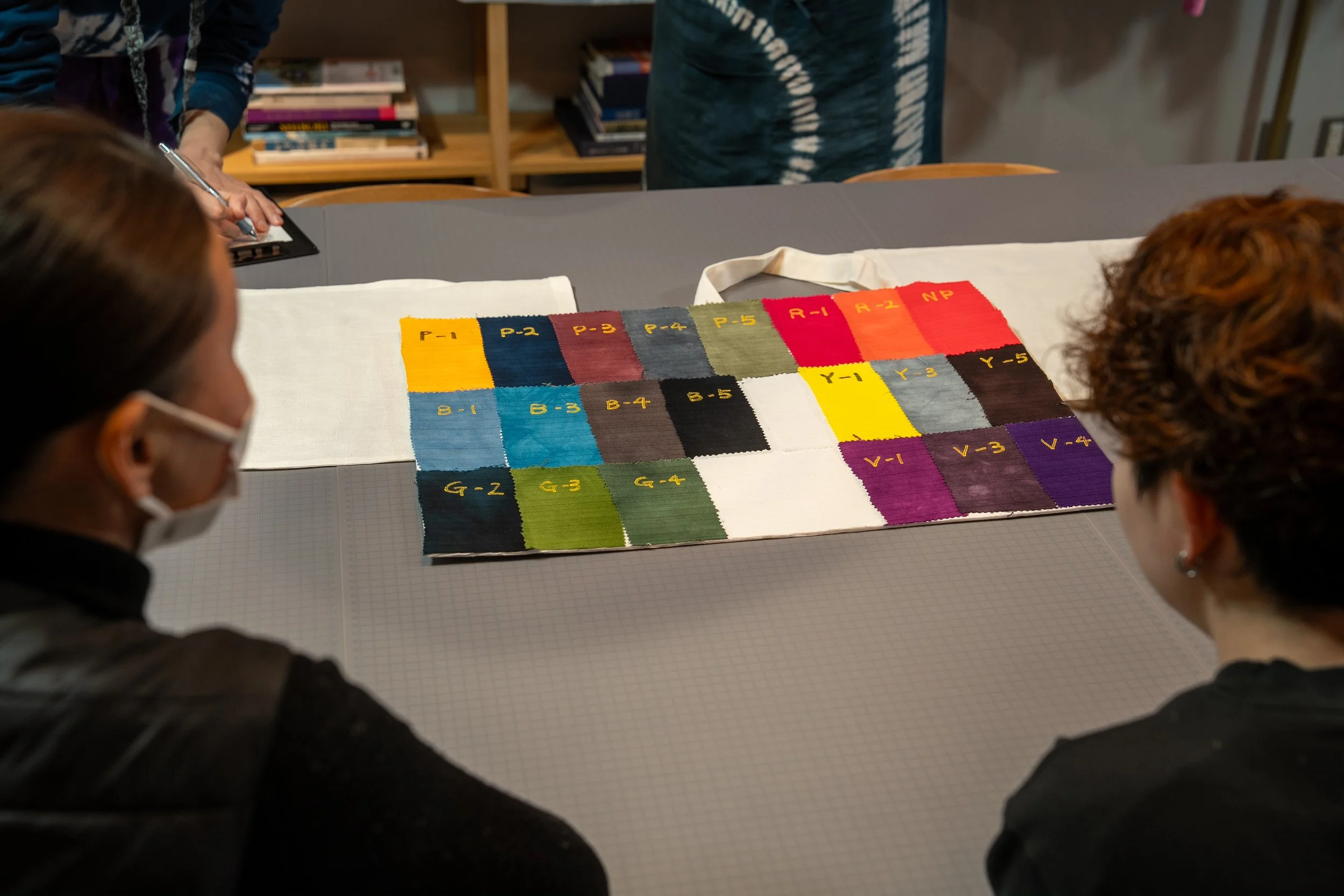
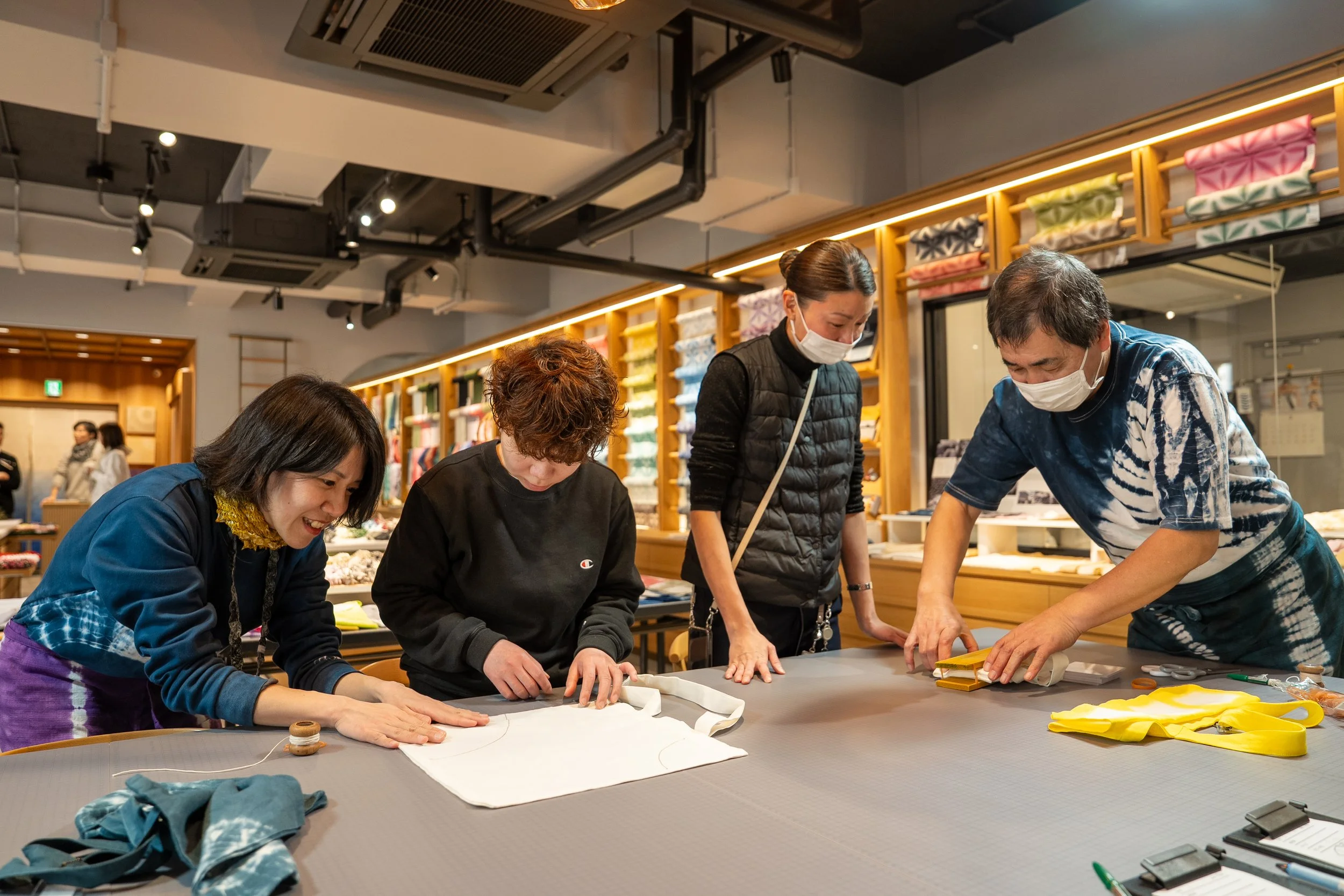
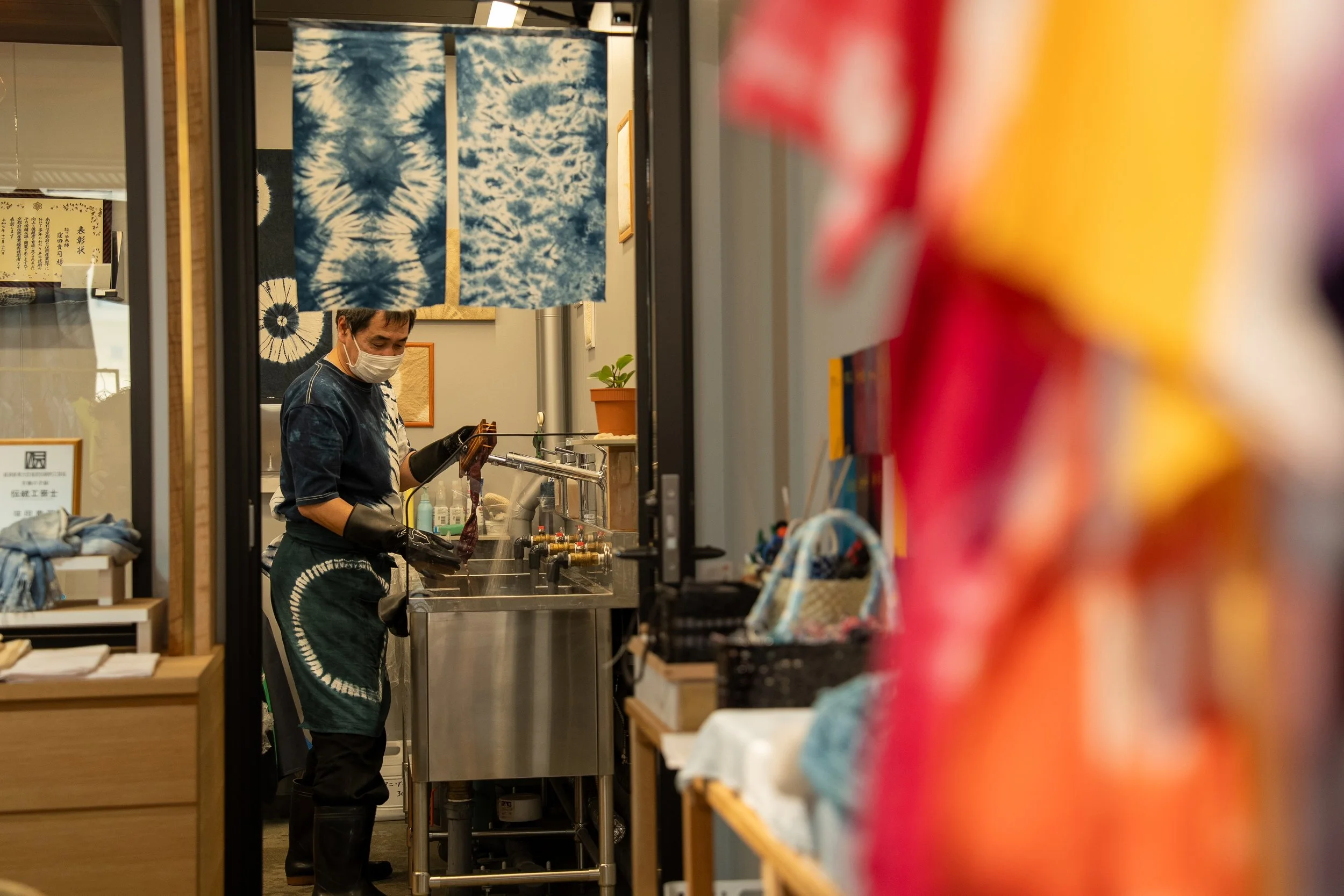
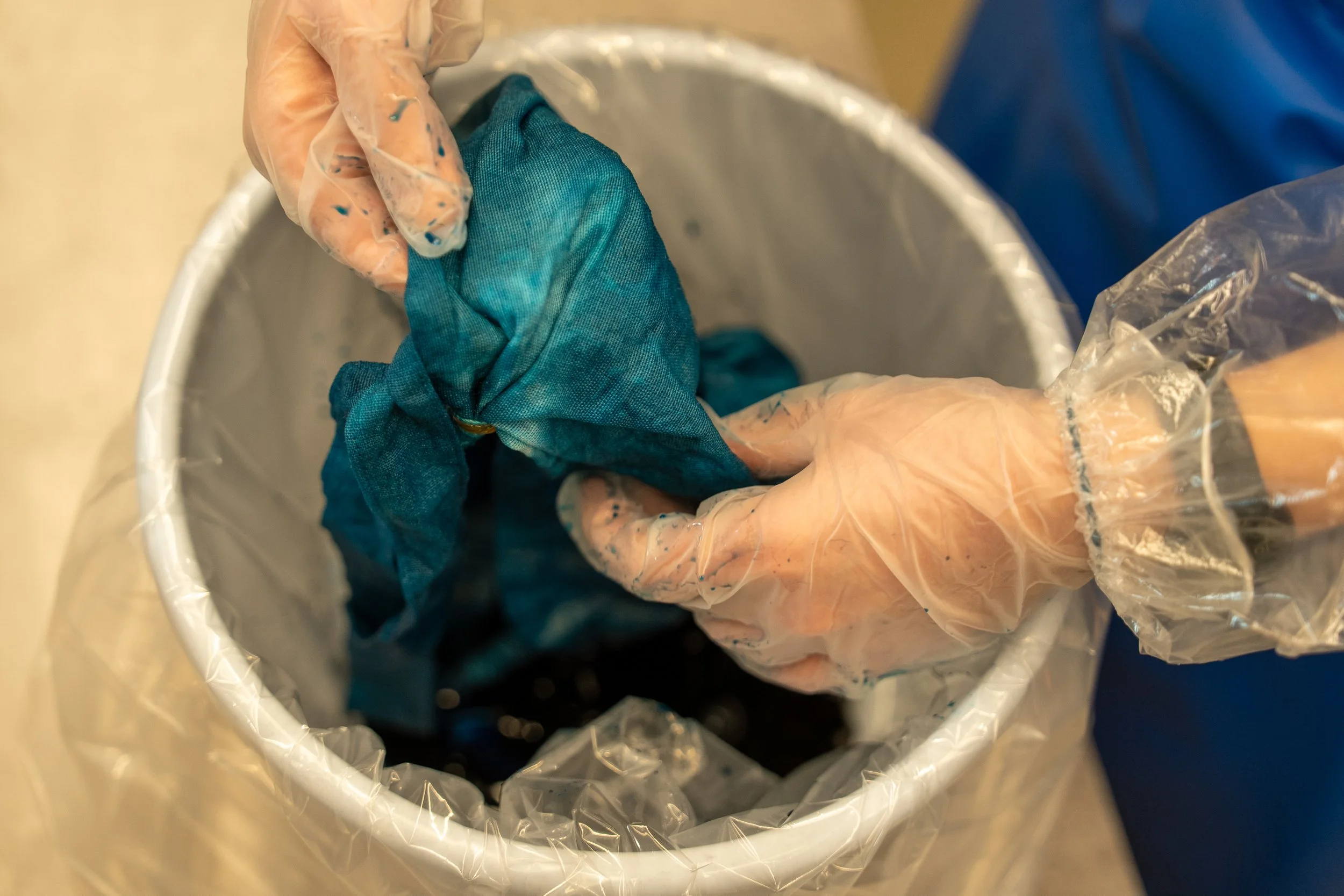
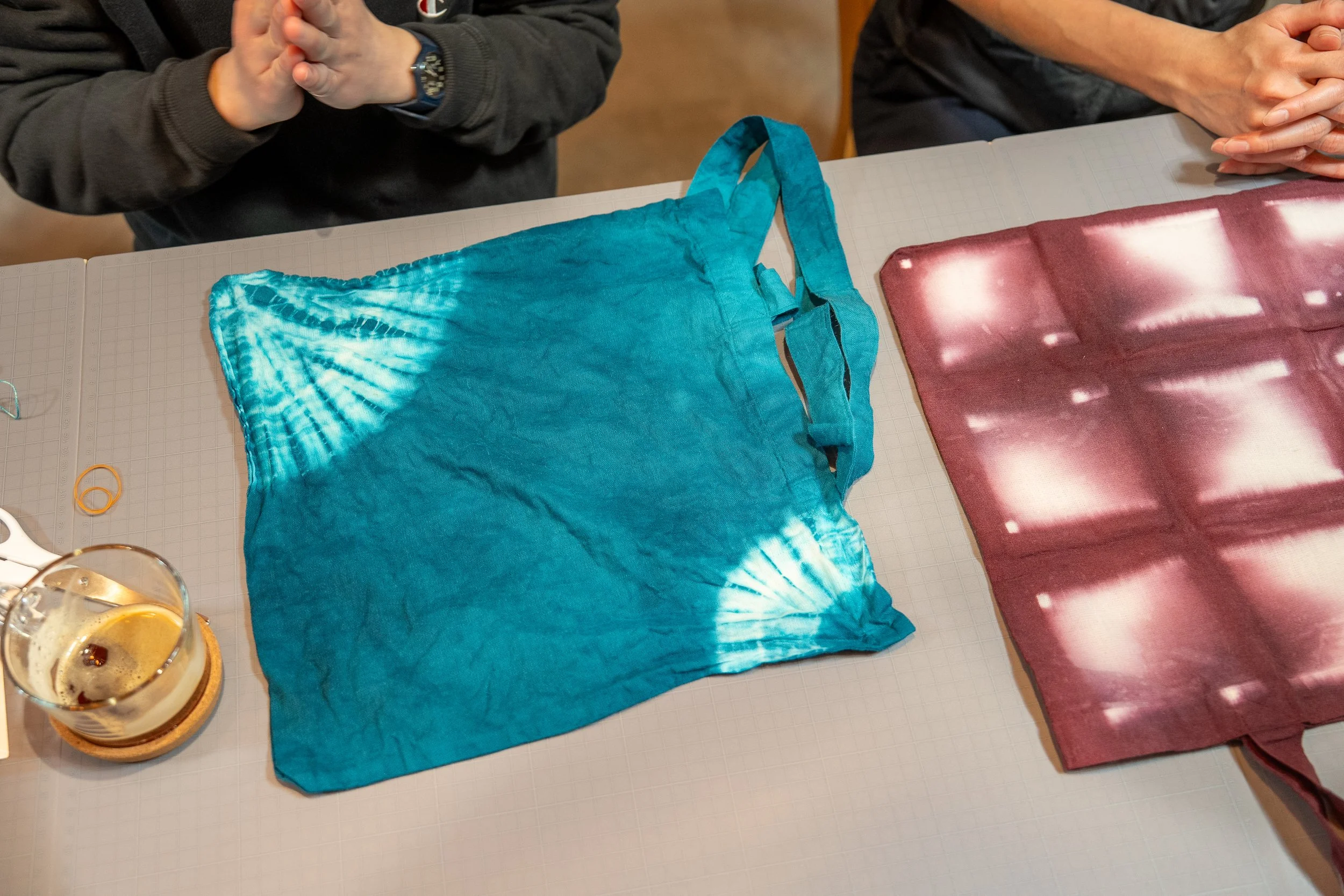
As experienced by Mao and Kyoka from our team, Shibori dyeing is found to be a tactile craft with surprising results.
"You manipulate fabric, and the magic happens when you unfold or unbind your piece and see the patterns emerge. It is a pure moment of revelation," says Mao Yamaguchi, Genji Kyoto's general manager.
Perhaps it is also an apt introduction to Wabi Sabi, the concept of finding beauty in imperfection, as no two pieces are ever the same.

Karakami: Making Woodblock Prints
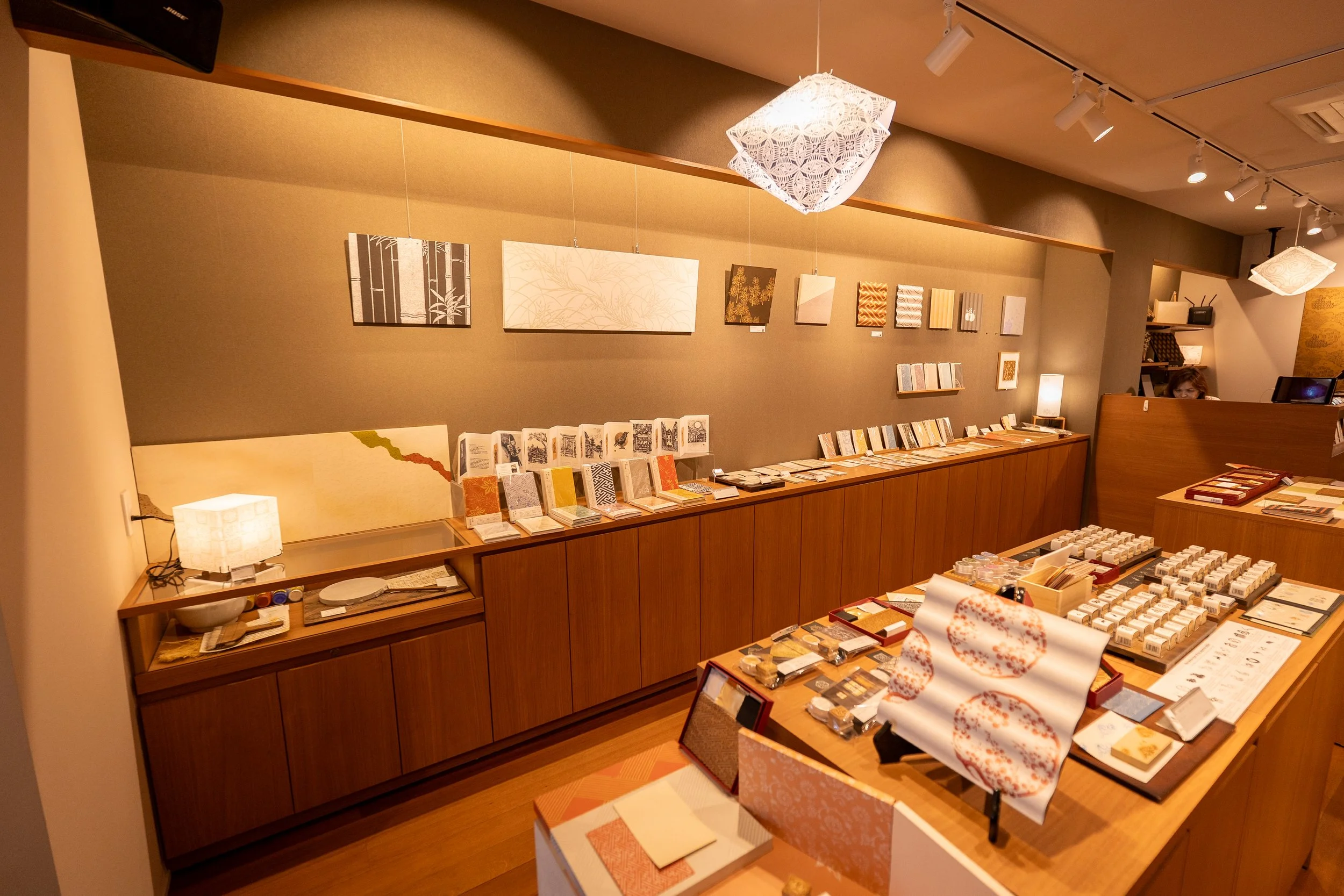
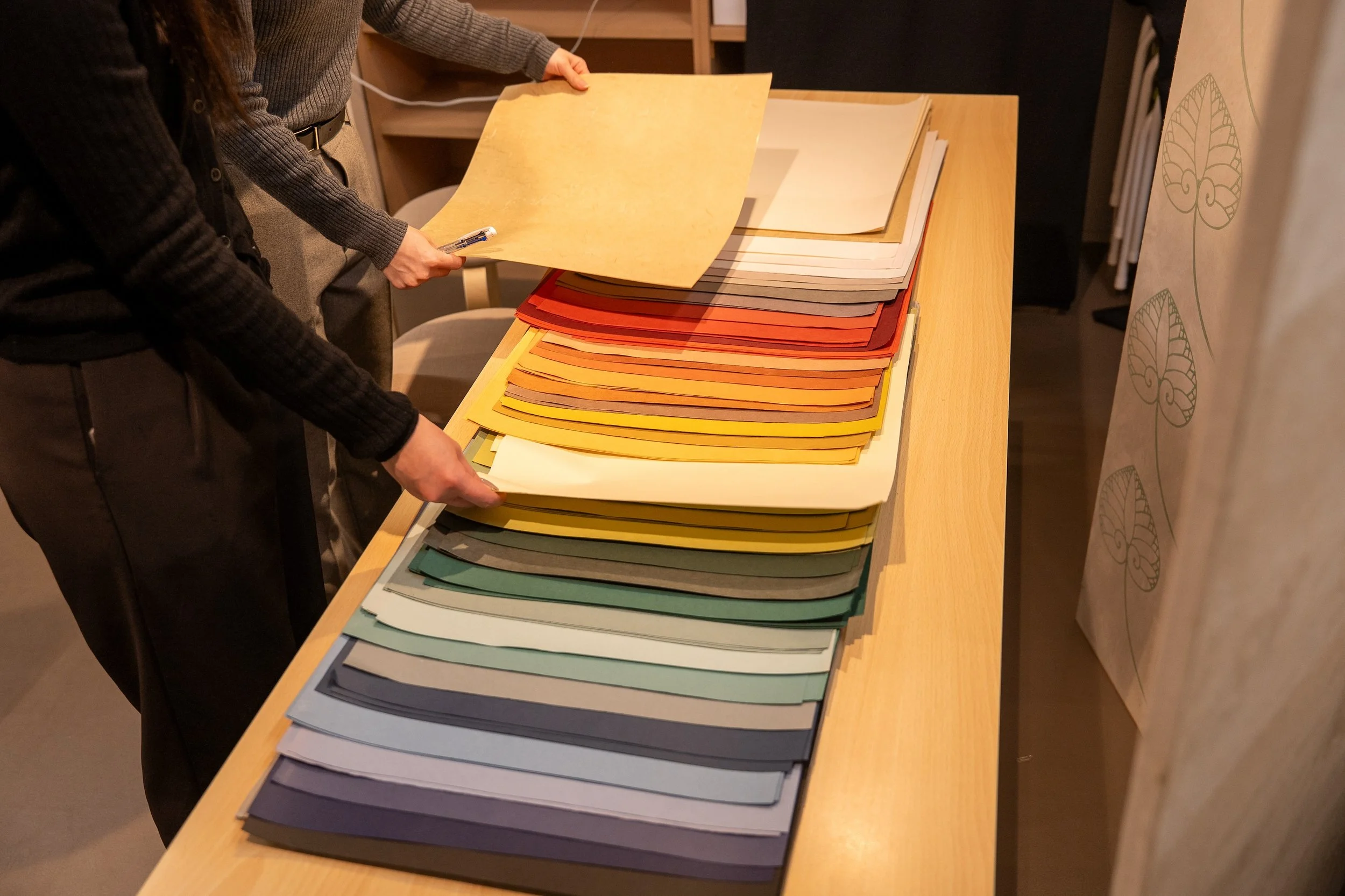
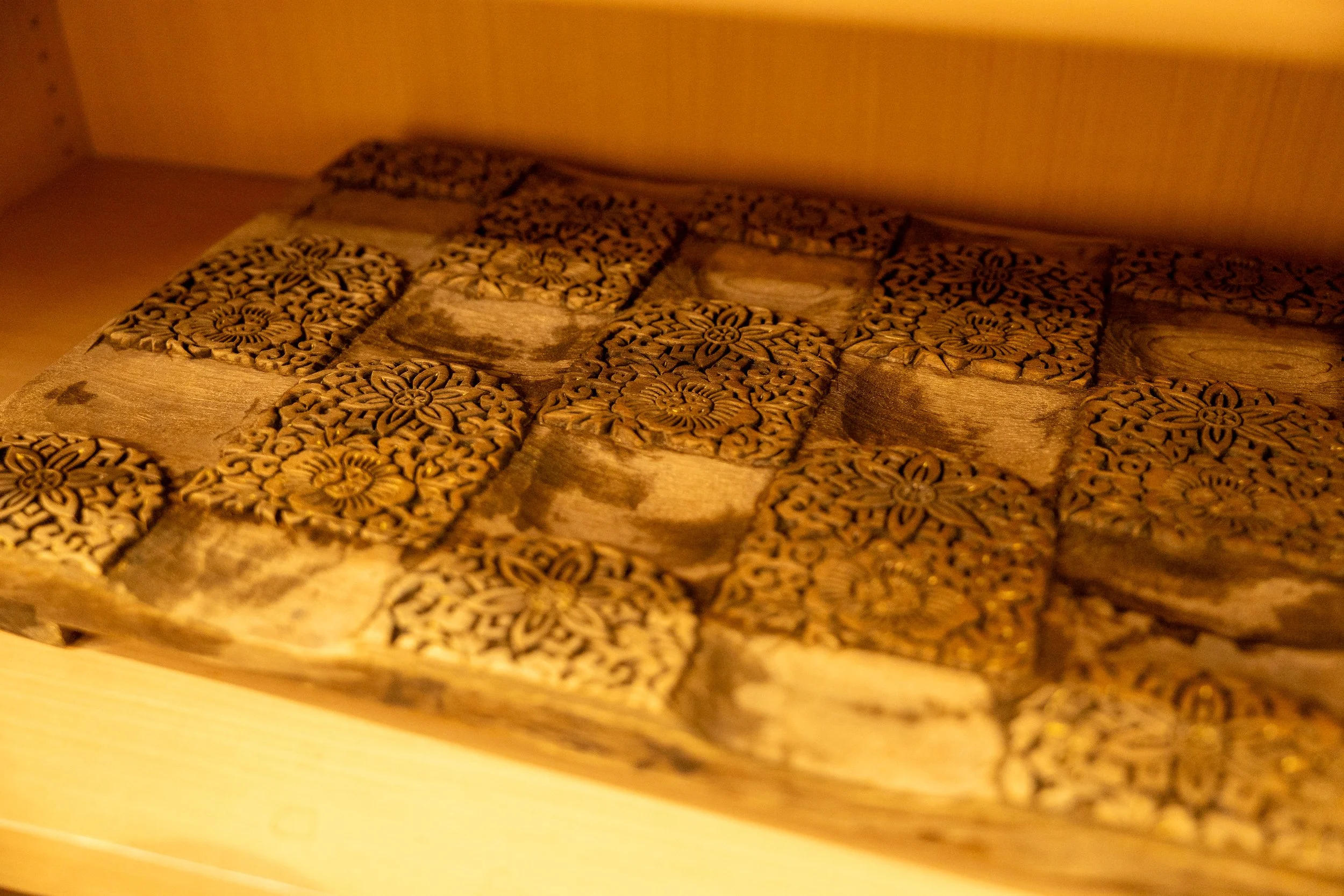
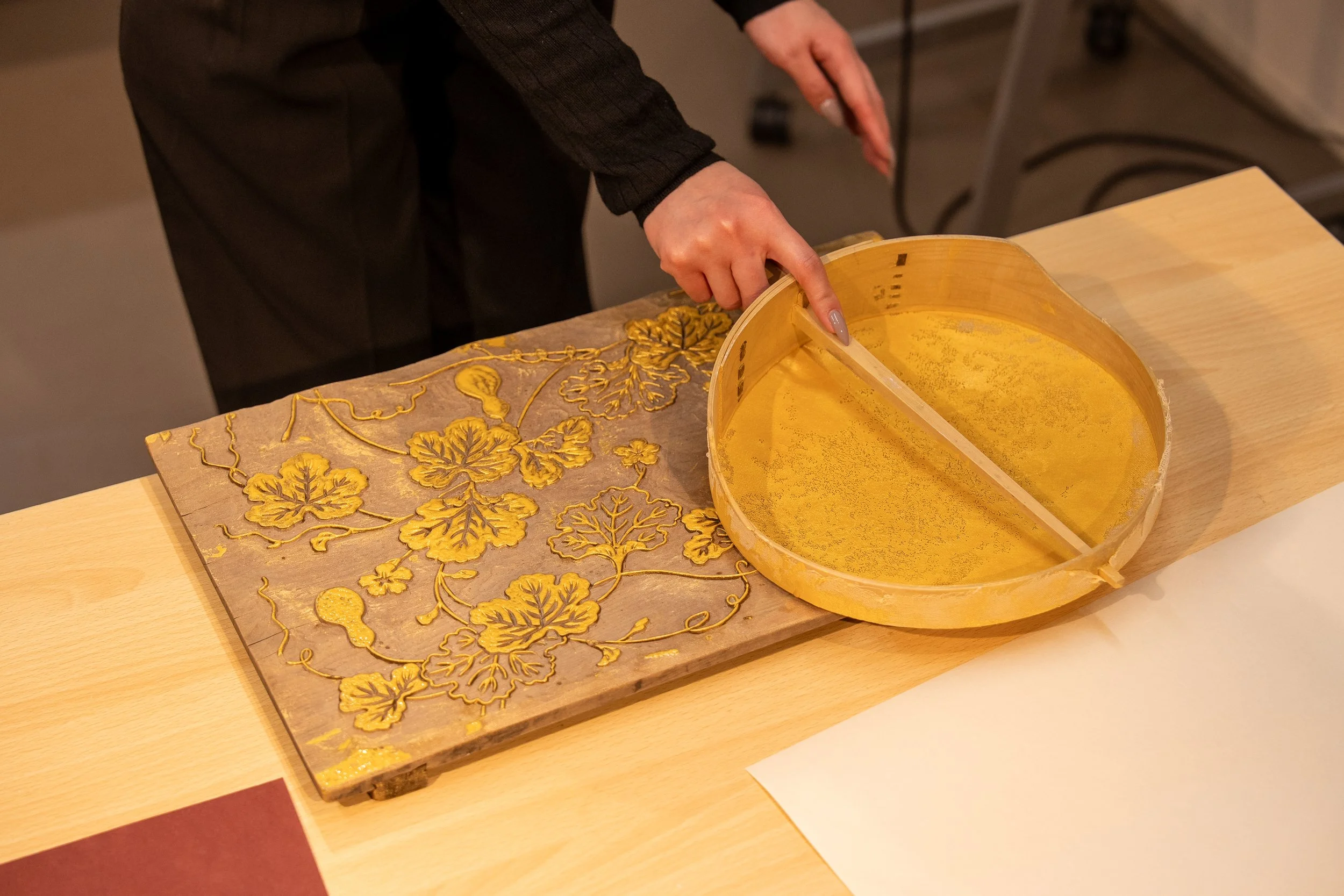
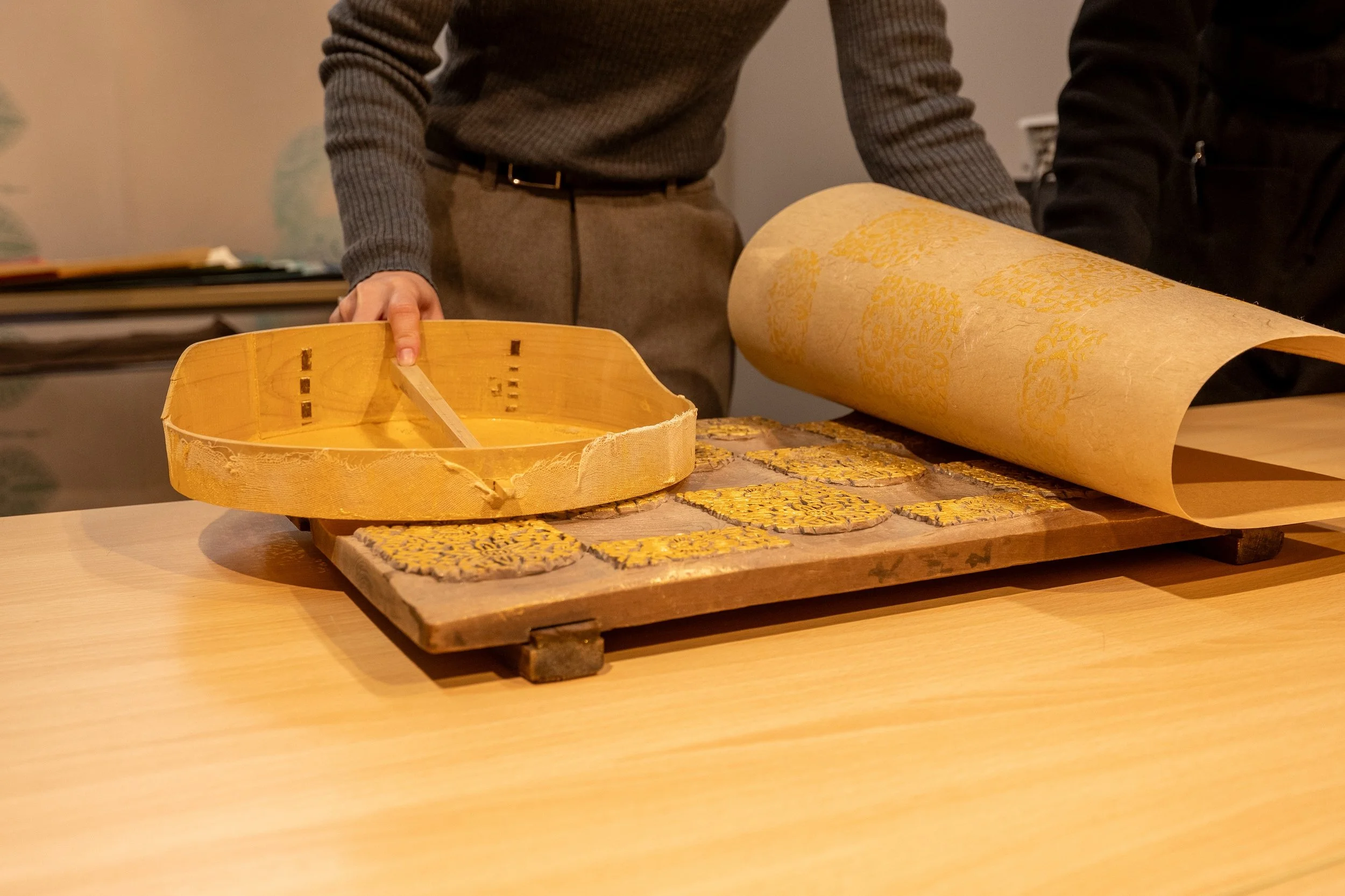
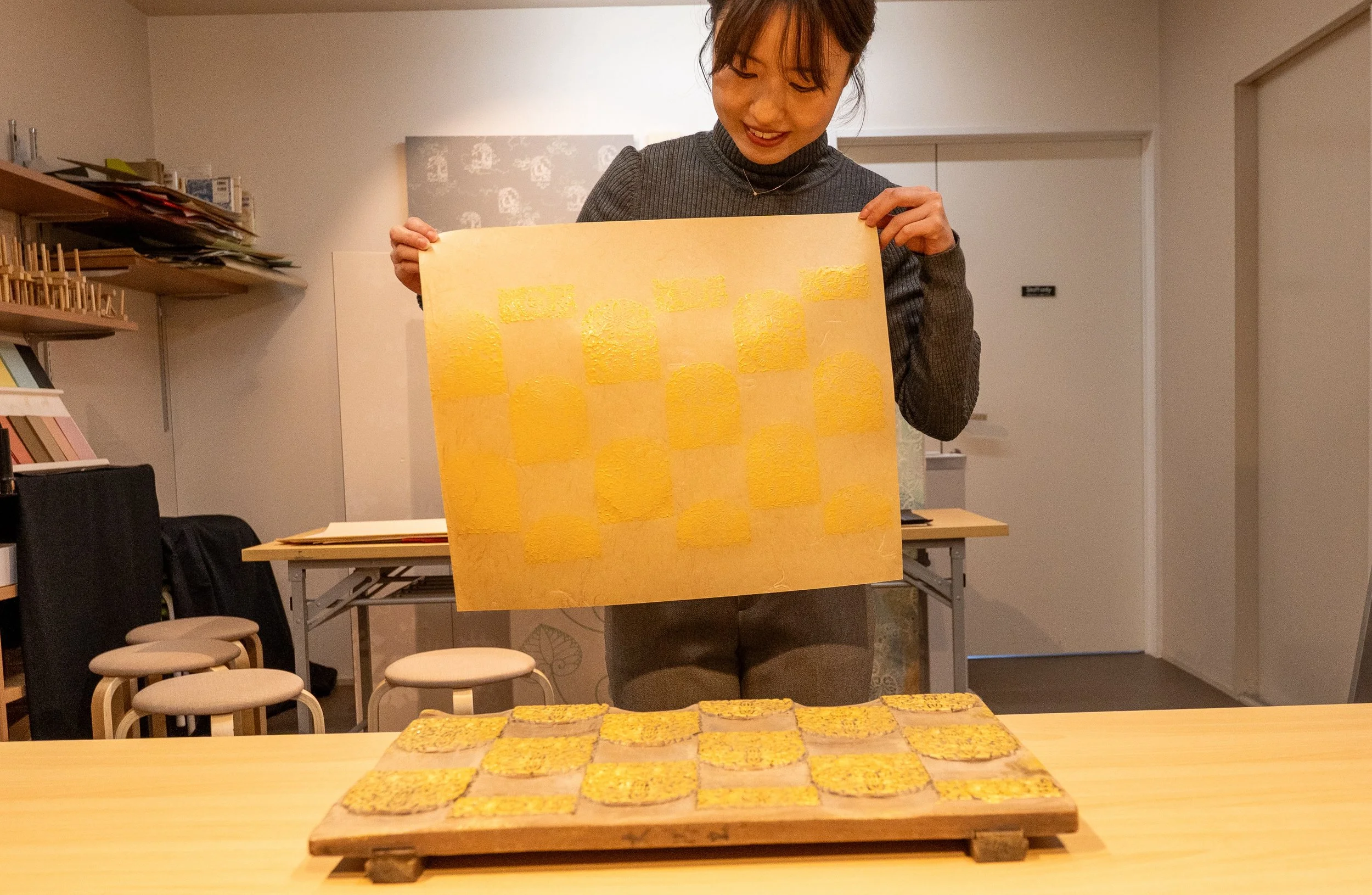
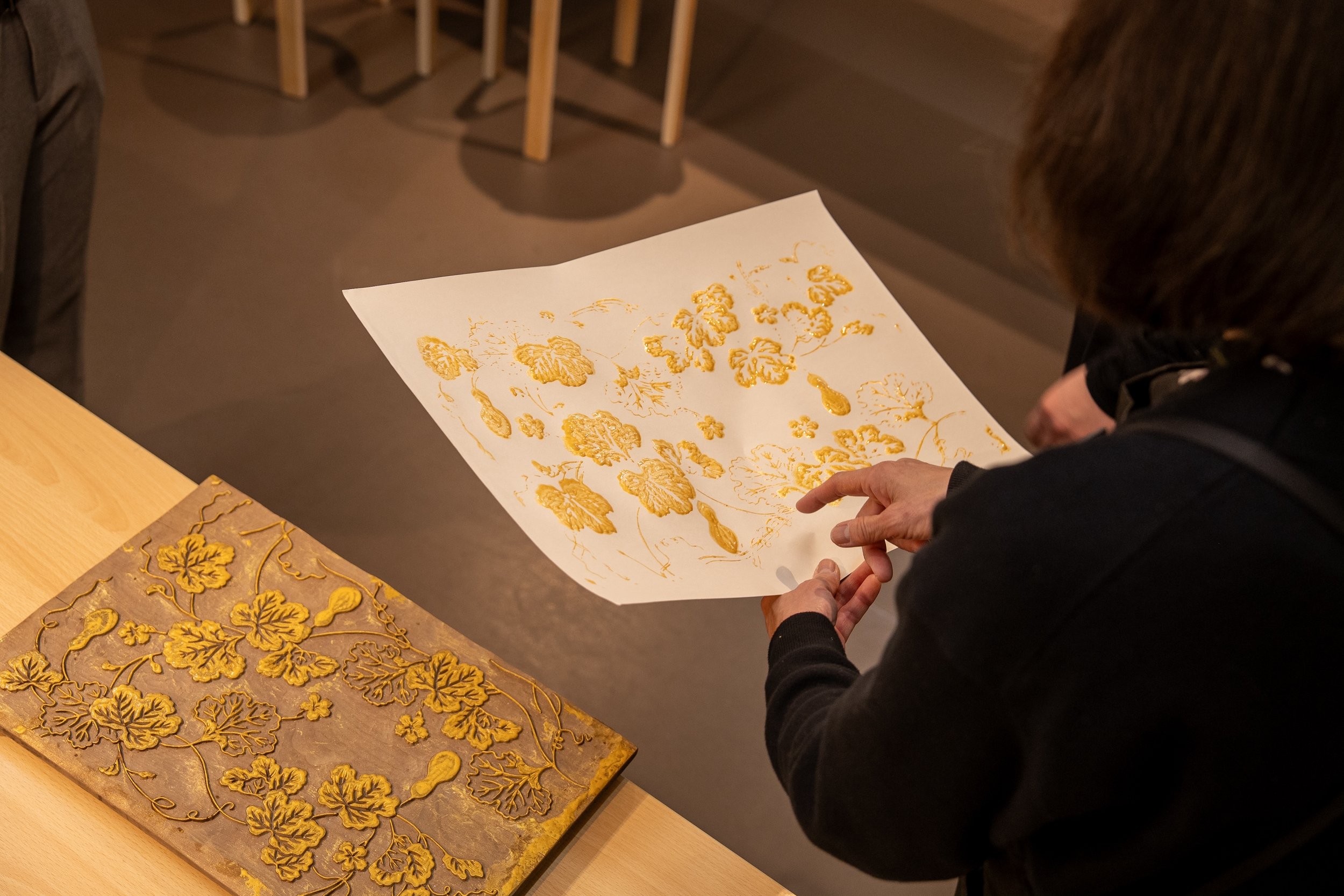
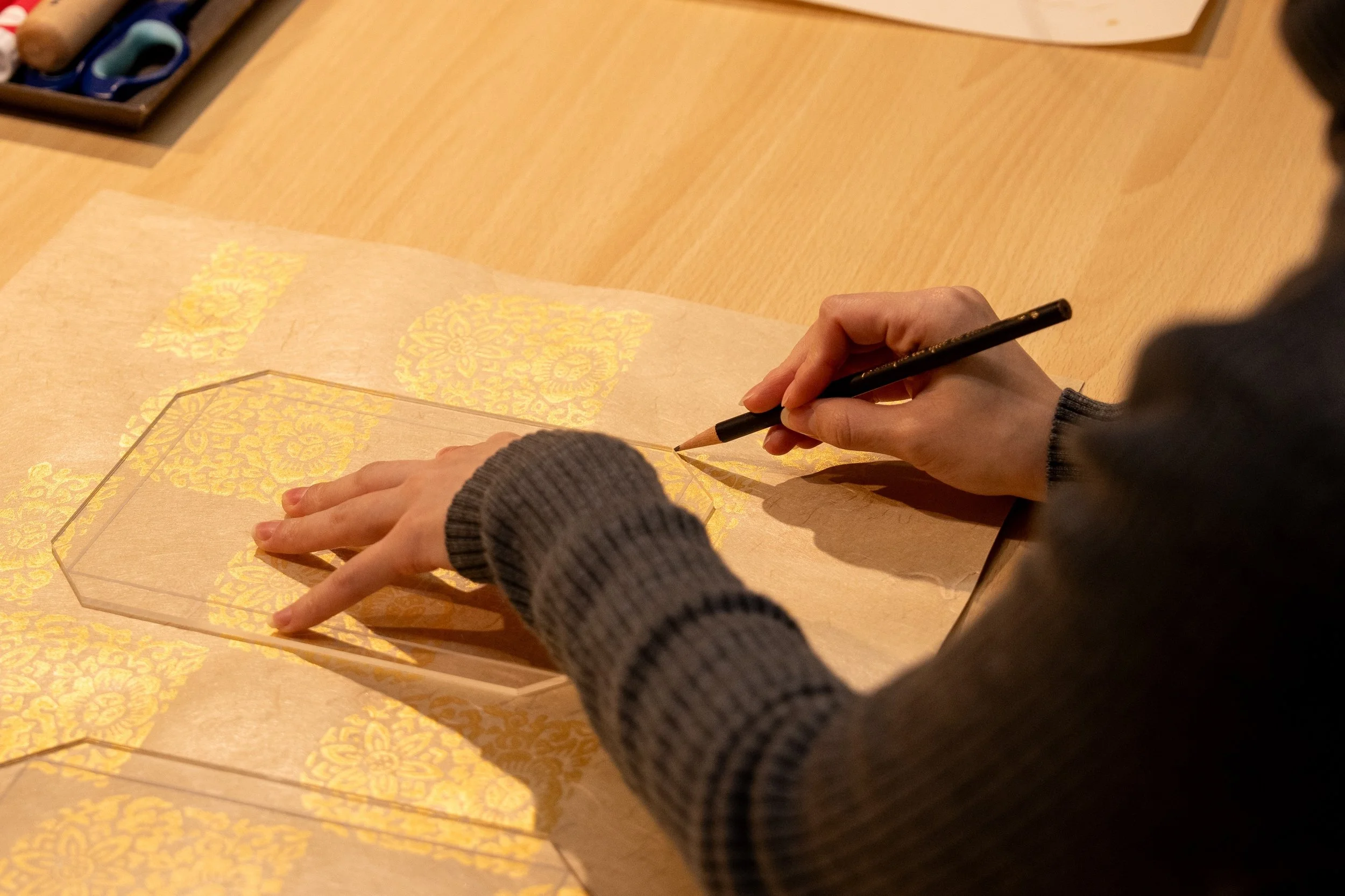
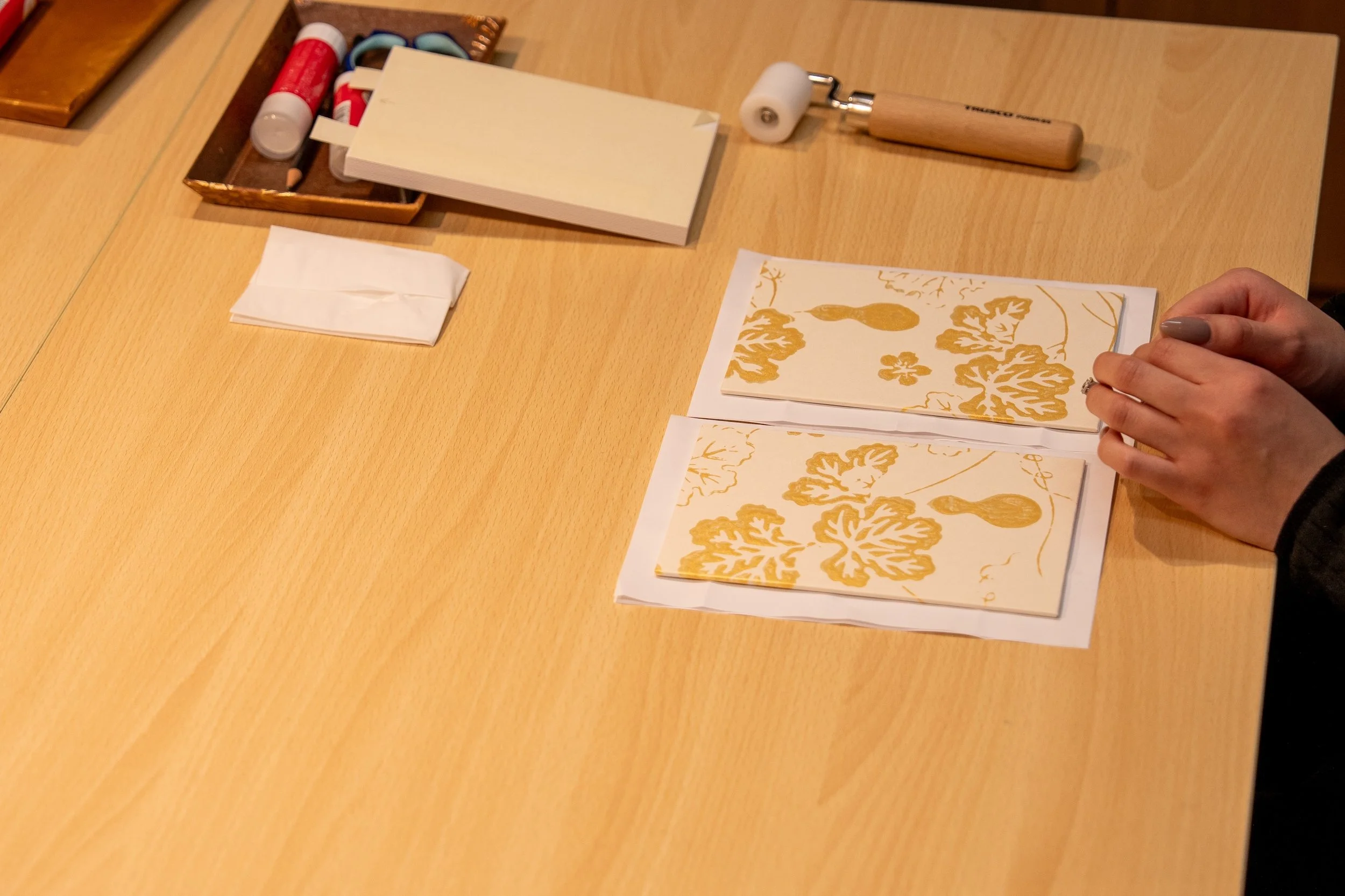
Karakami literally means "Tang/Chinese paper", or decorated papers imported from Tang dynasty China. Heian aristocrats copied sutras and wrote poetry on them. The technique for making them was not only adopted, but refined into a quintessentially Japanese expression of beauty. It involves hand-printing patterns onto Washi paper using carved woodblocks and all-natural paints made from mineral pigments, mica and powder from the shells of oysters and clams.
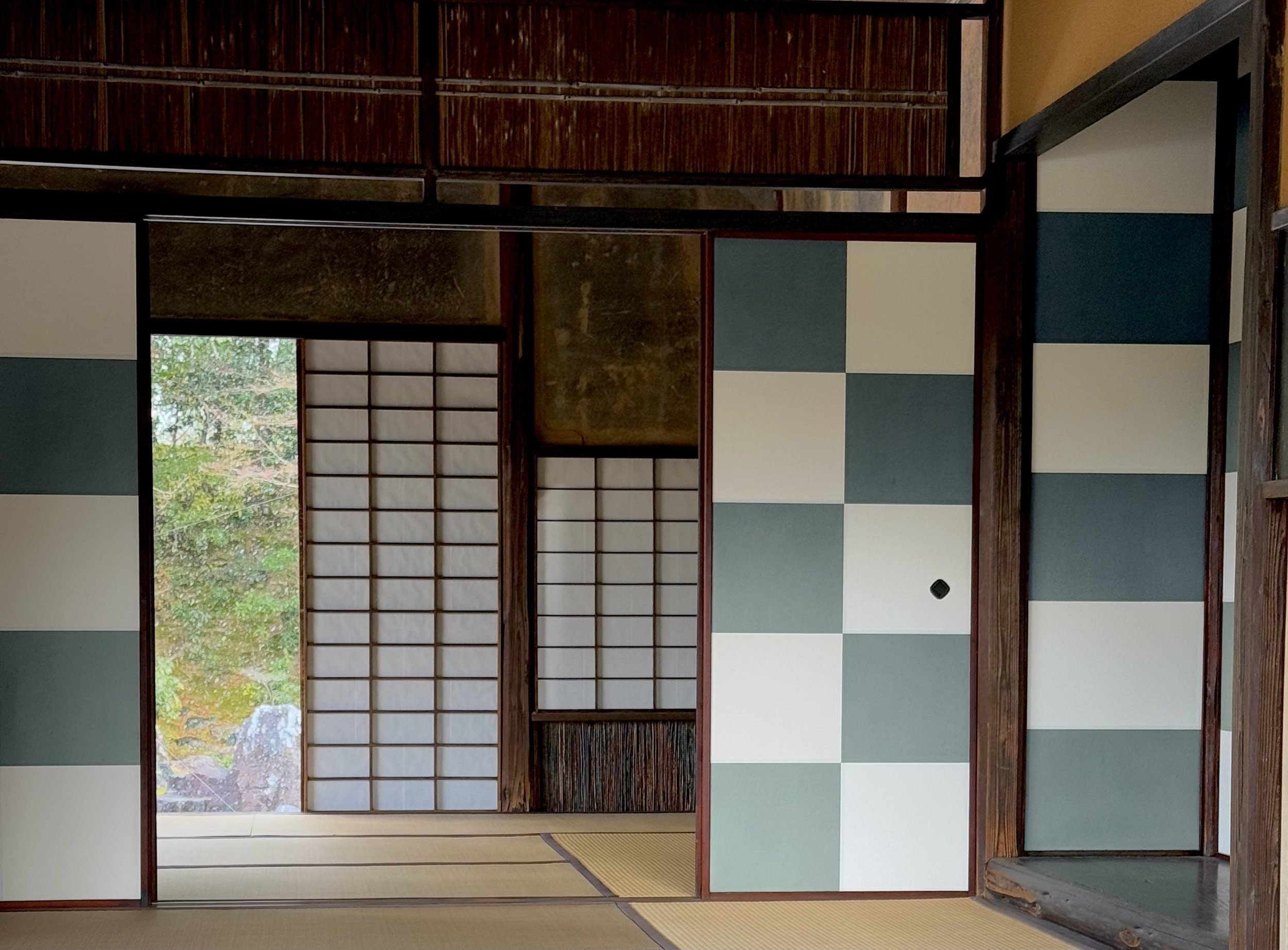
Karakami Fusuma and Shōji Fusuma are partitions that are both functional and decorative at Kyoto’s Katsura Imperial Villa.
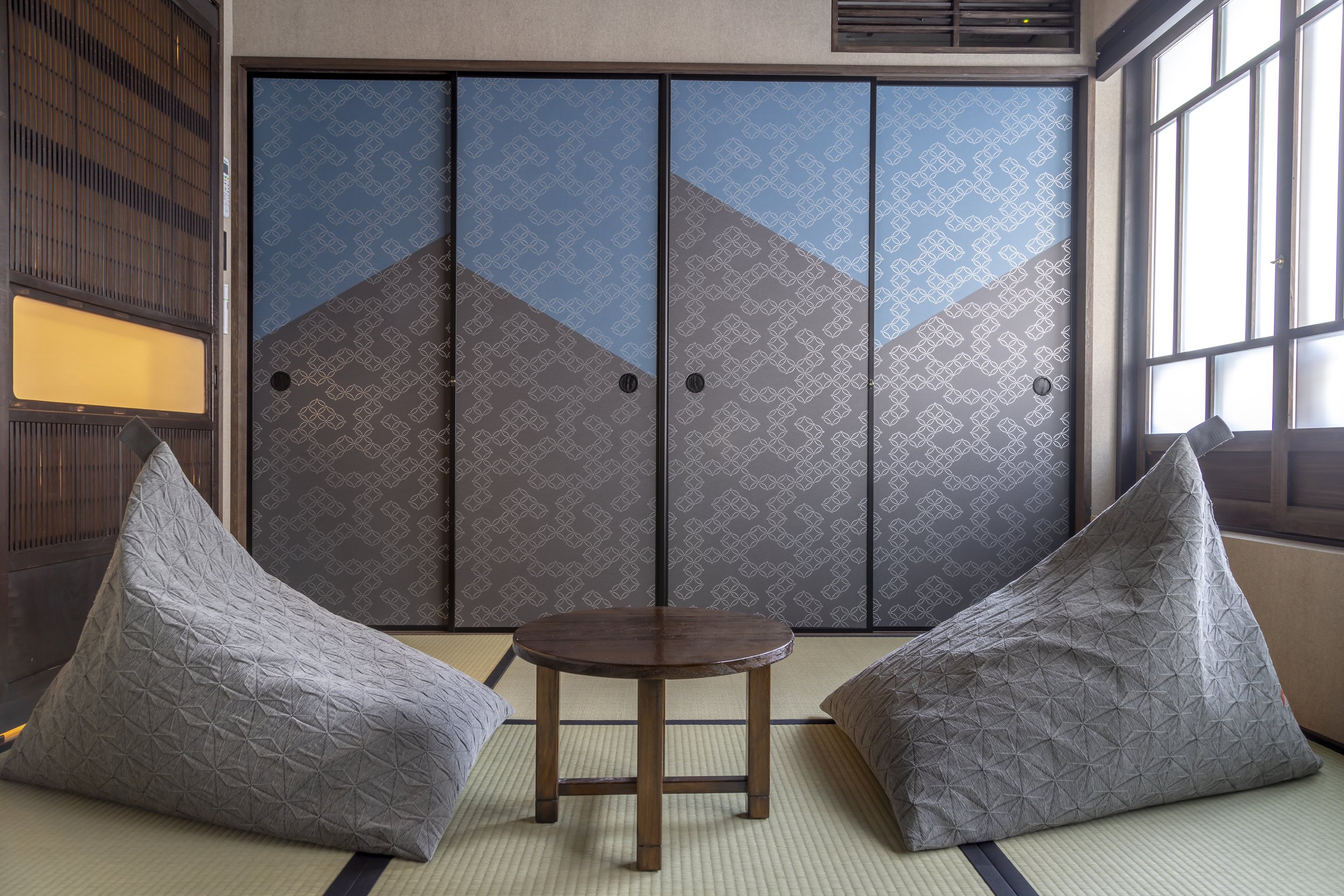
Karakami Fusuma continues to be widely used today in homes, hotels and Machiya. Picture courtesy of Kyo Karakami Maruni.
Karakami paper has in modern times found new uses as book covers, art panels, wallpapers, fans, coasters, boxes and lamps.
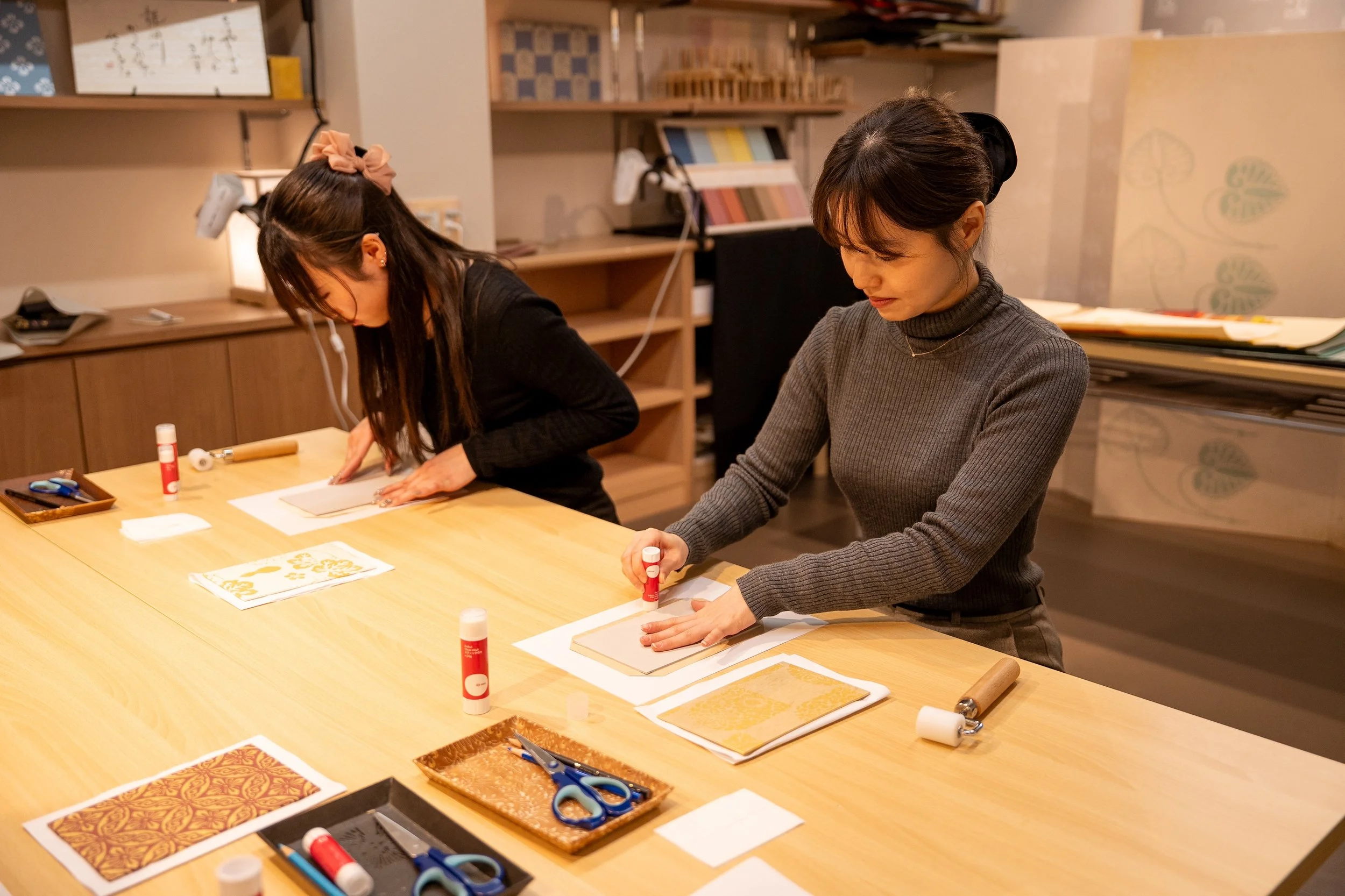
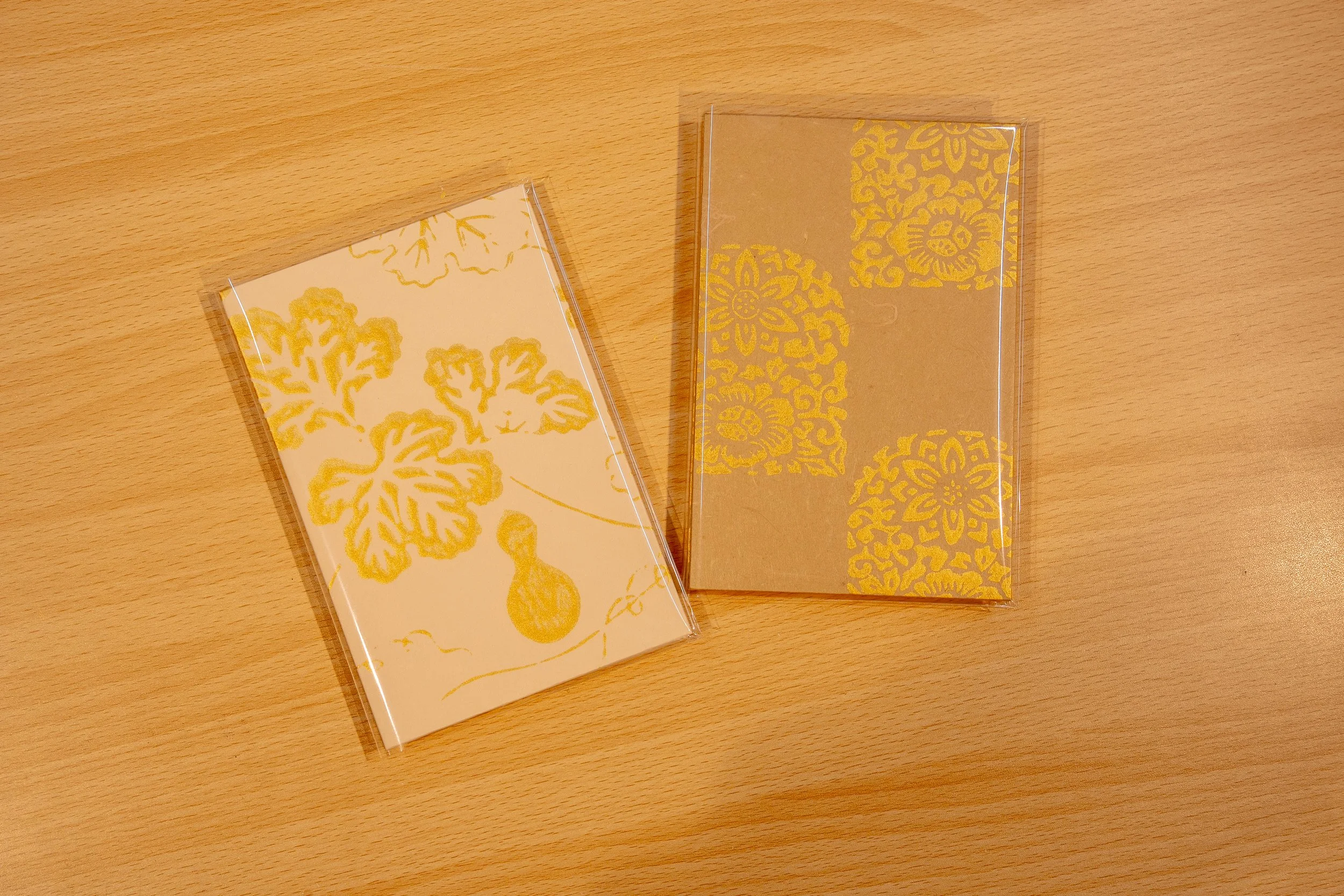
According to our front desk team members Saya and Hinano, who experienced making Karakami prints, this is a craft of rhythm and simplicity. One gets to use a unique Karakami tool to apply colors to a century-old woodblock, and imprint one's chosen pattern by hand. They made a cover for a Goshuin stamp book, an accordion-style booklet for collecting unique stamps and calligraphy from Japanese temples and shrines.
Yuzen: The Art of Painting on Silk
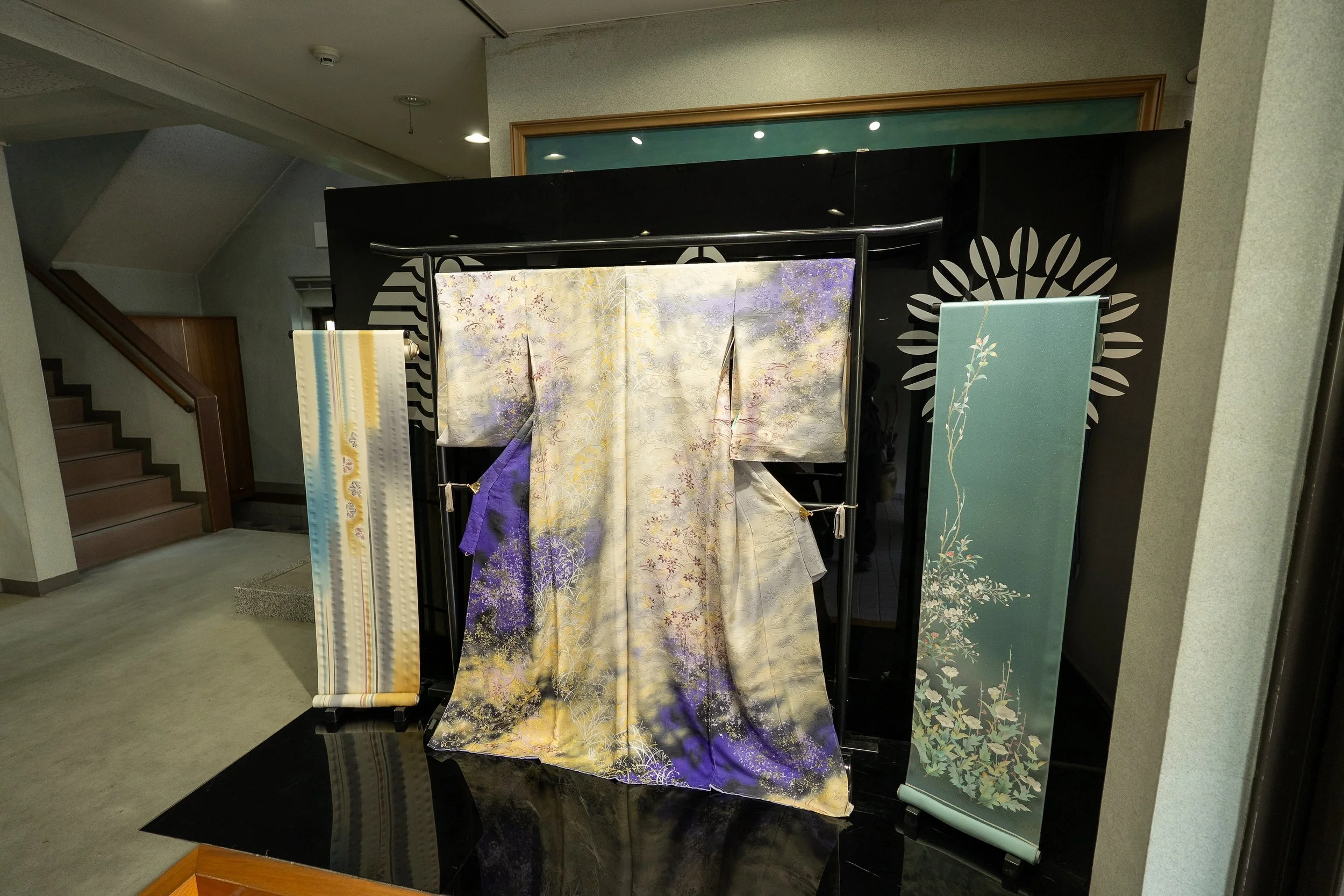
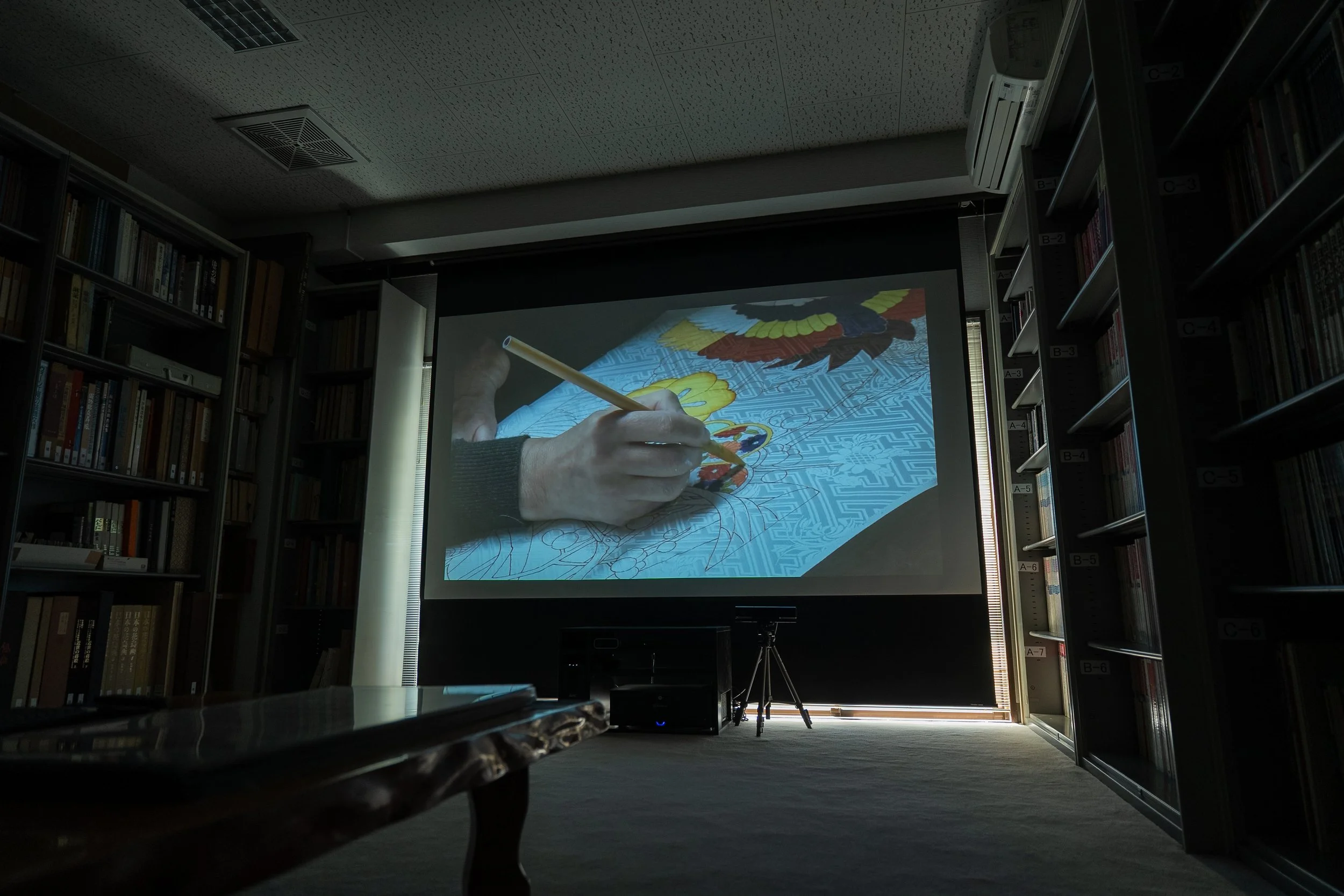
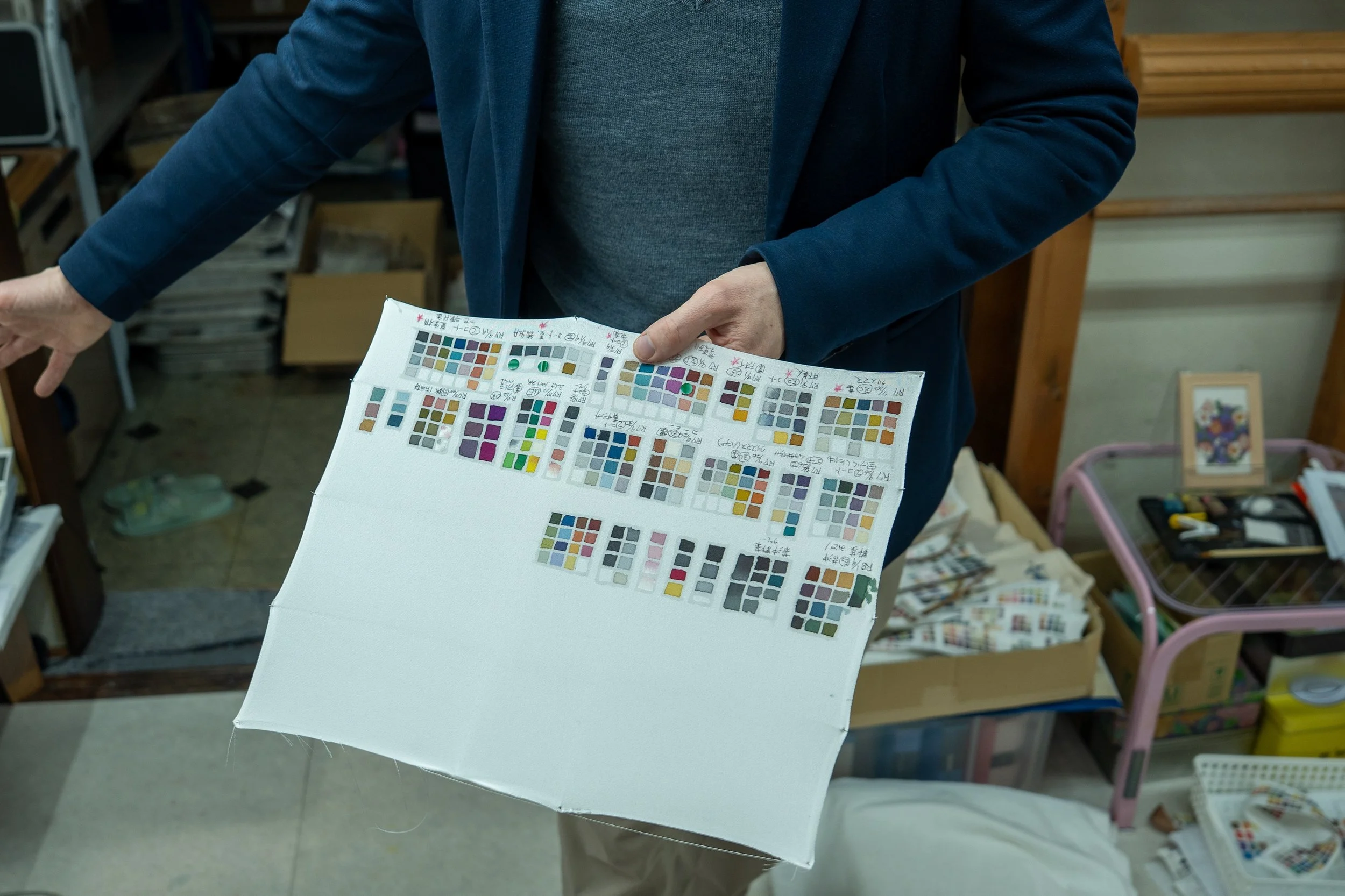
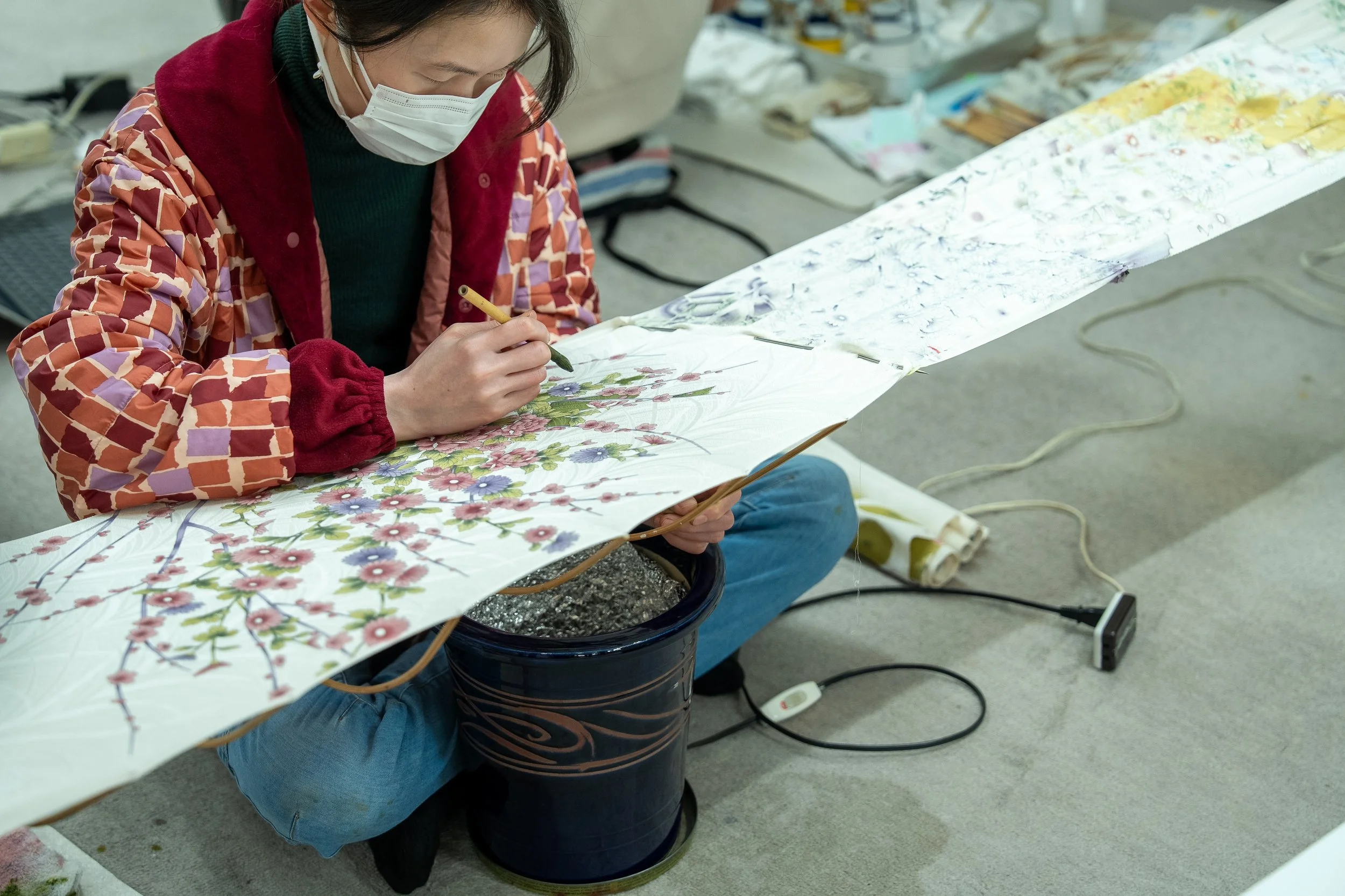
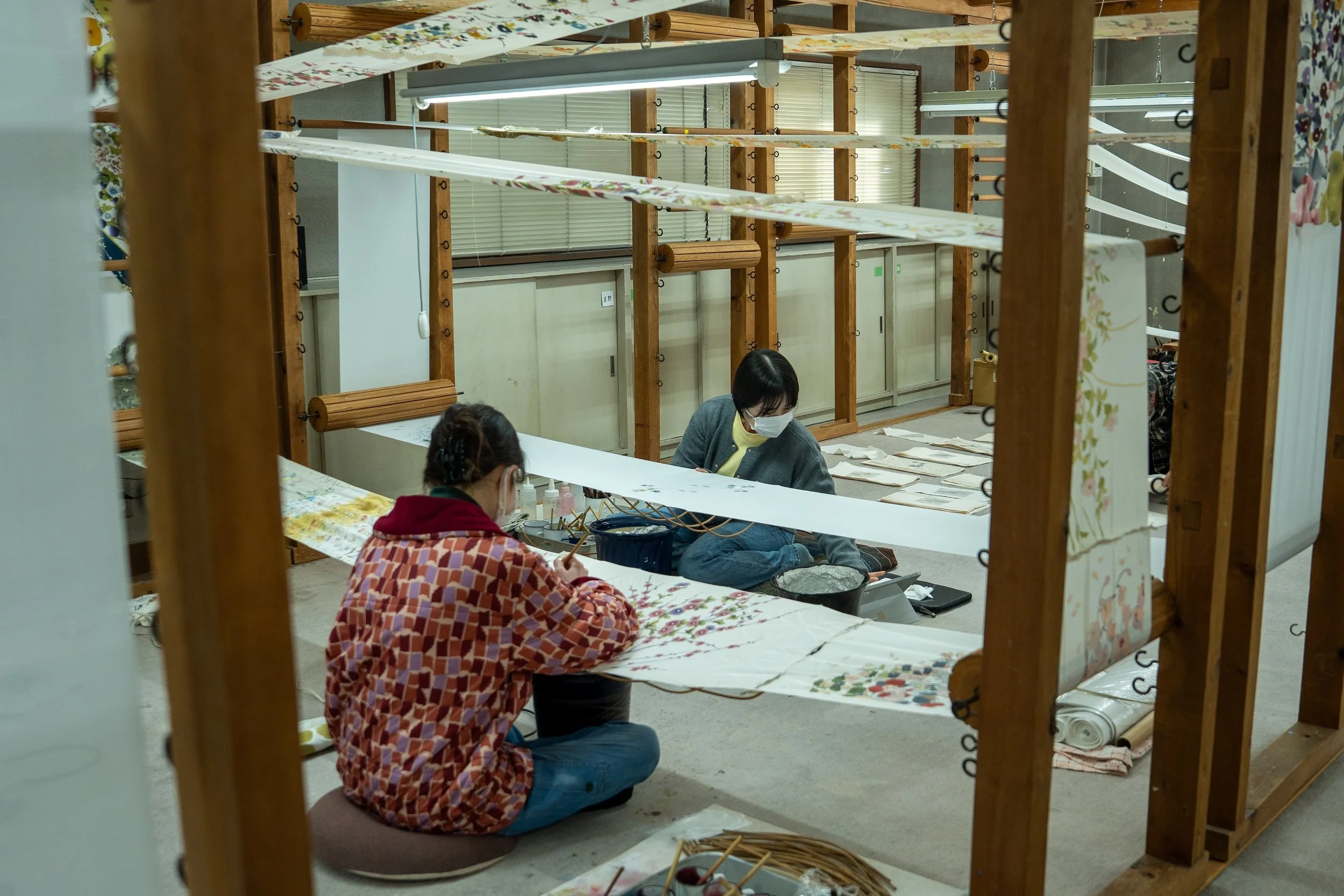
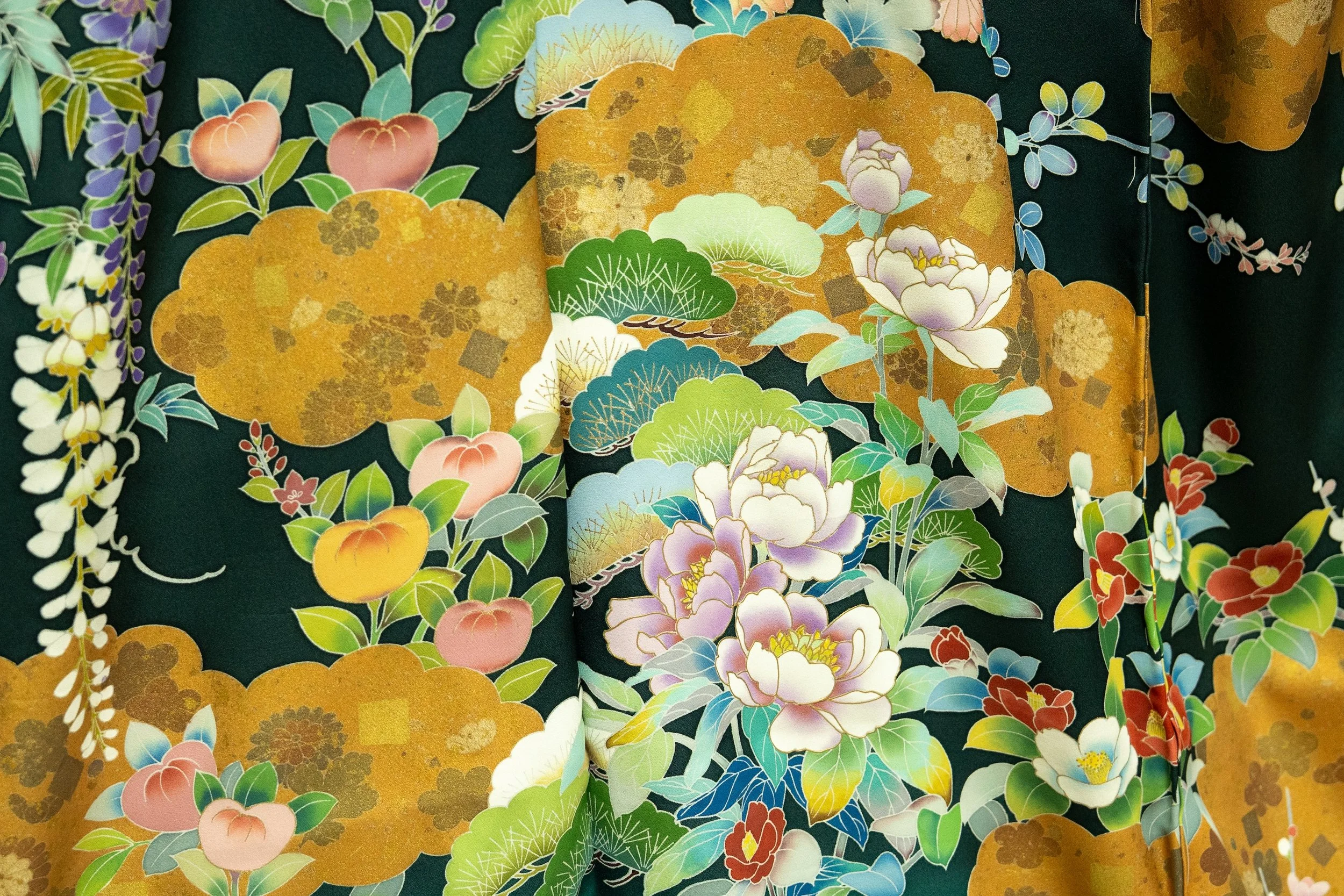
Similar to Shibori dyeing, Yuzen dyeing is also a resist-dyeing technique. But whereas Shibori involves manipulating the fabric by twisting or folding, Yuzen is about creating an outline using rice paste and painting within bounds. The unique beauty of each hand painted Yuzen Kimono made it the ultimate status symbol in the Edo period, especially after the Tokugawa government banned the use of Shibori to curb the merchant class from flaunting their wealth.
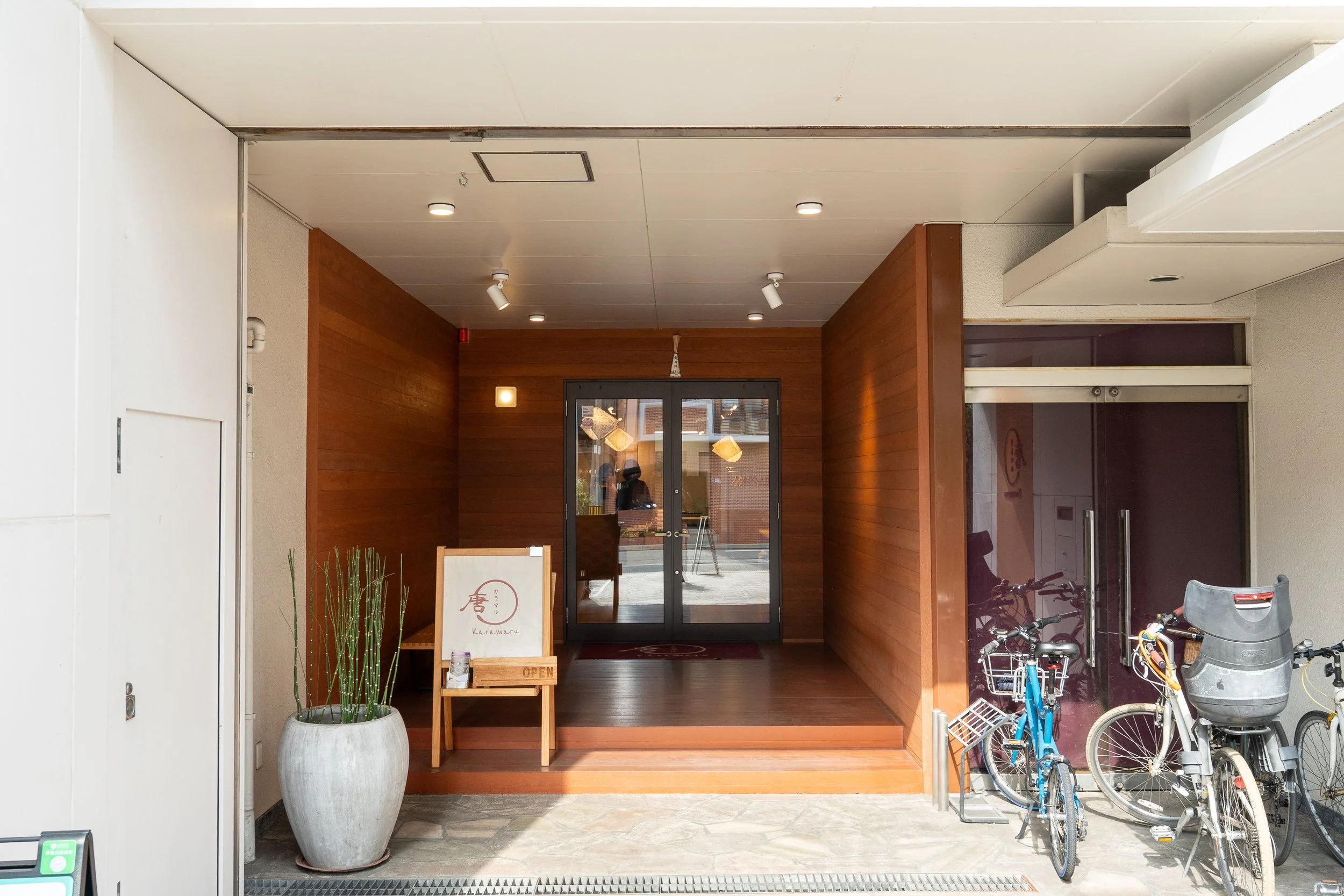
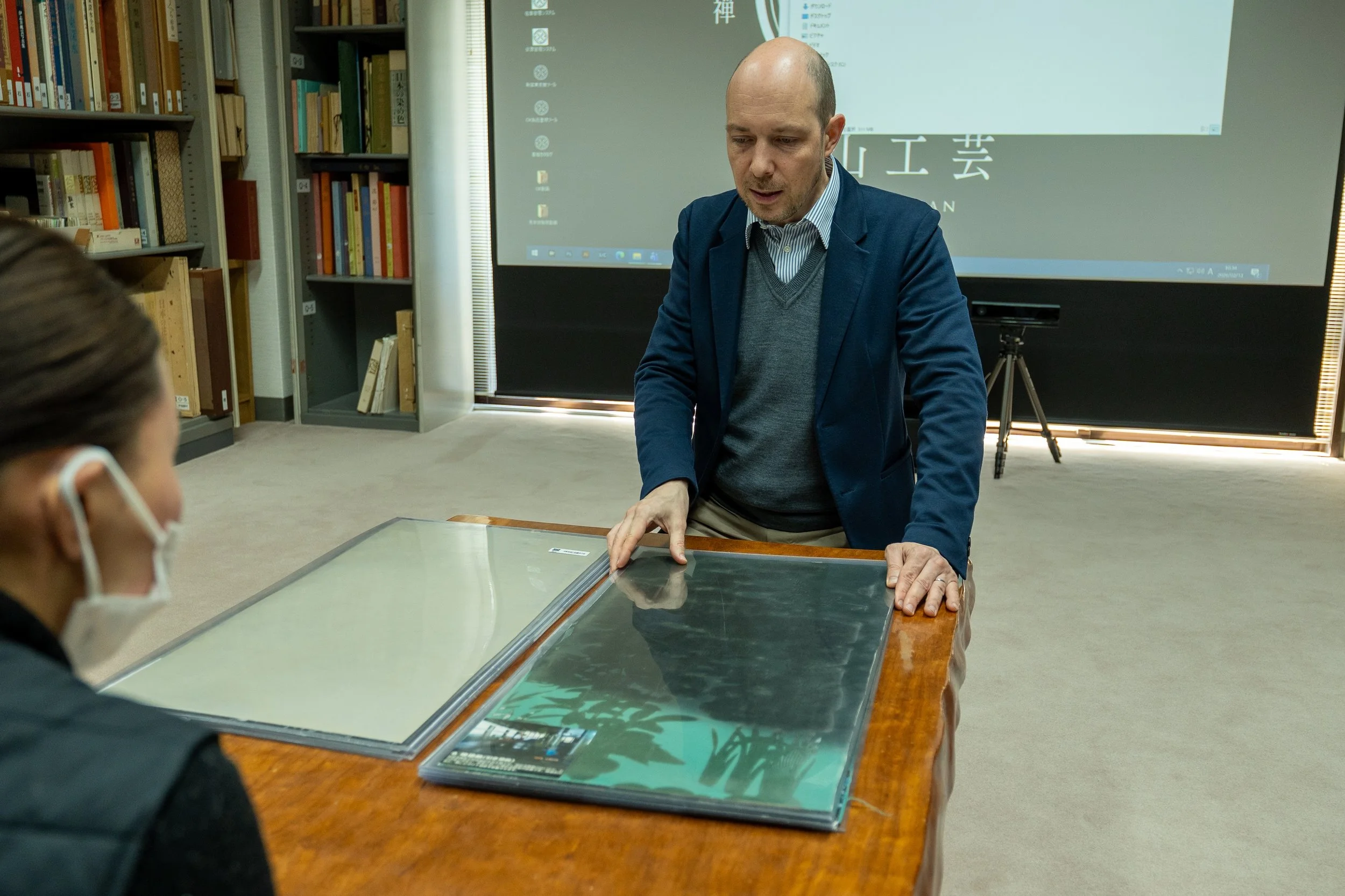
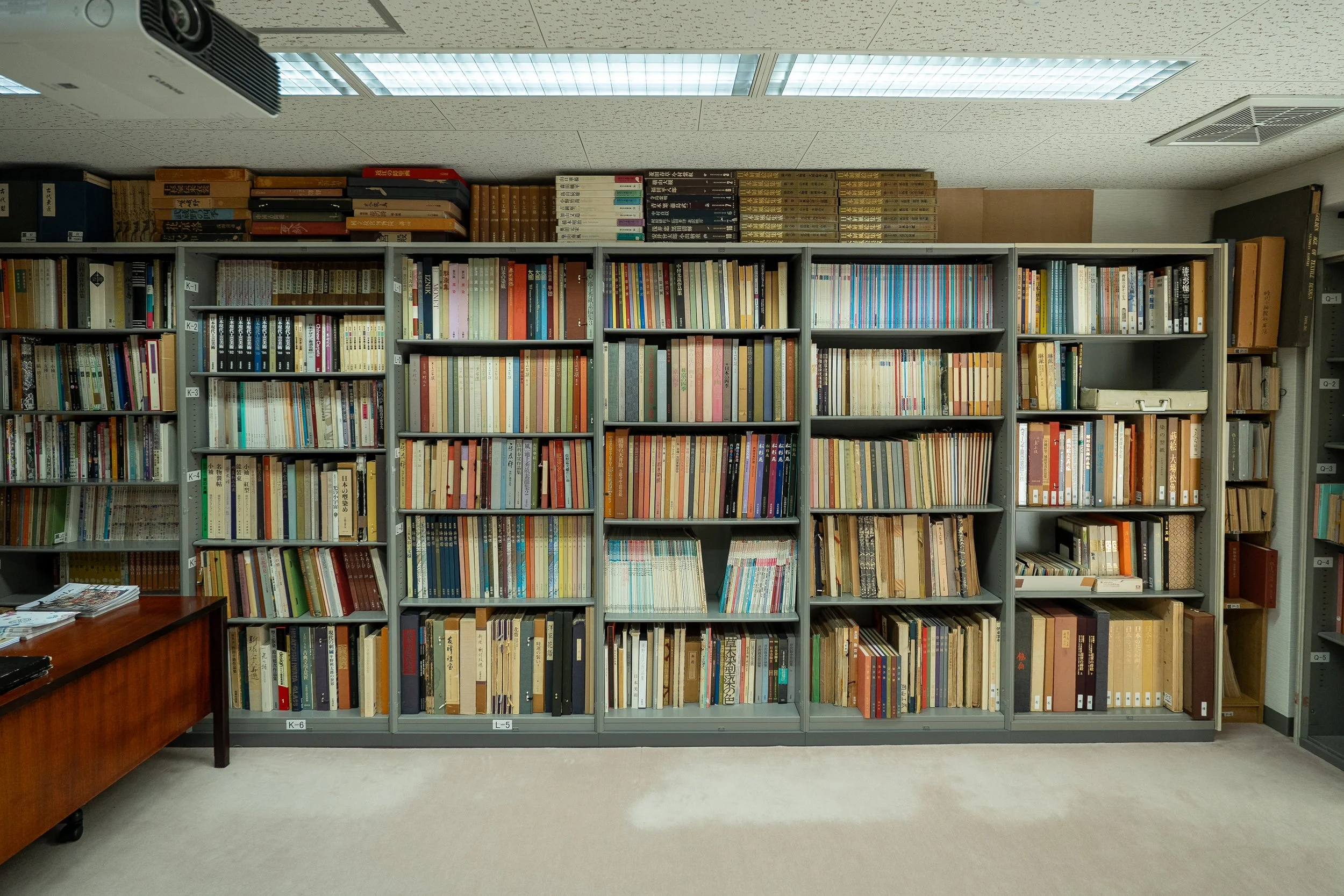
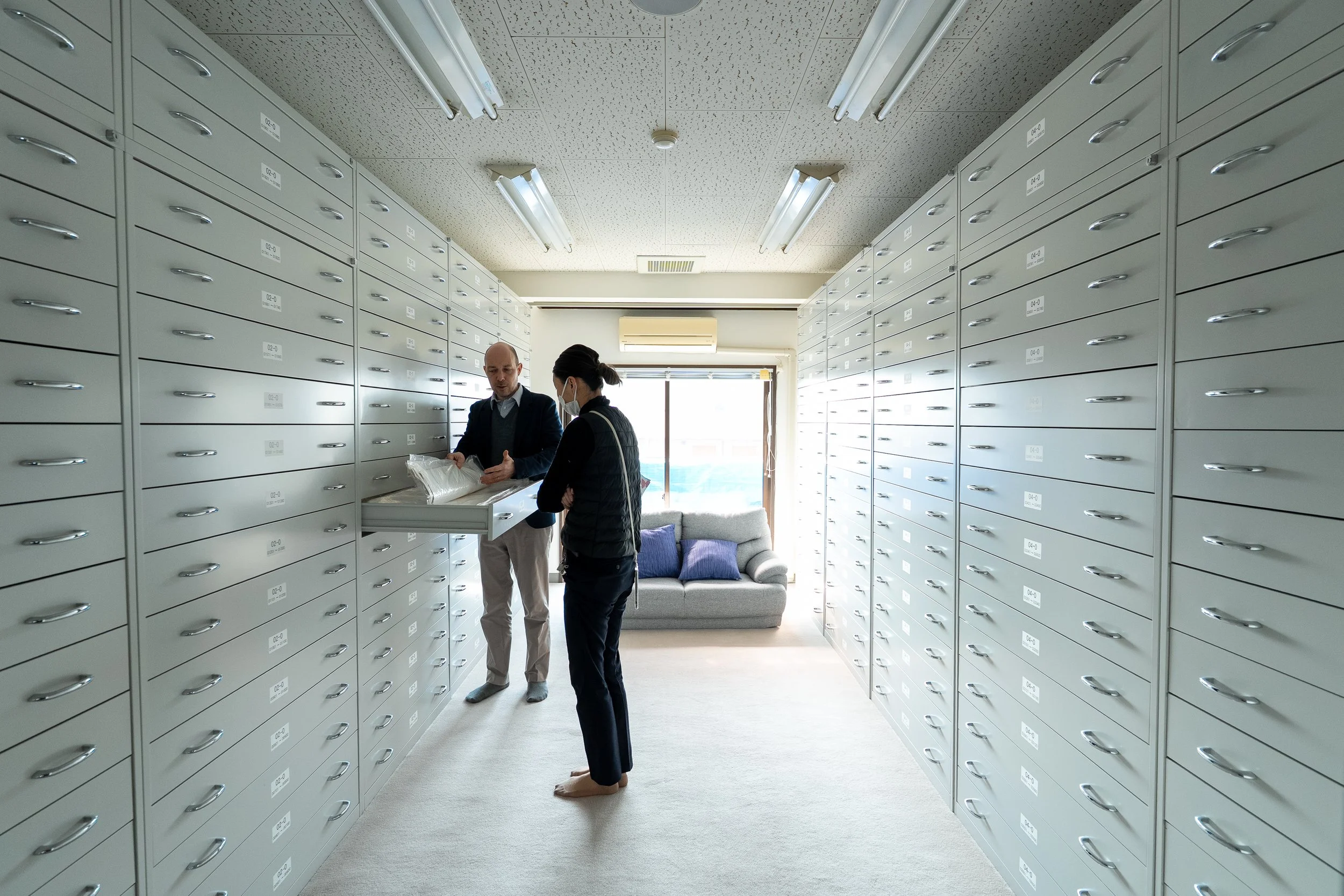
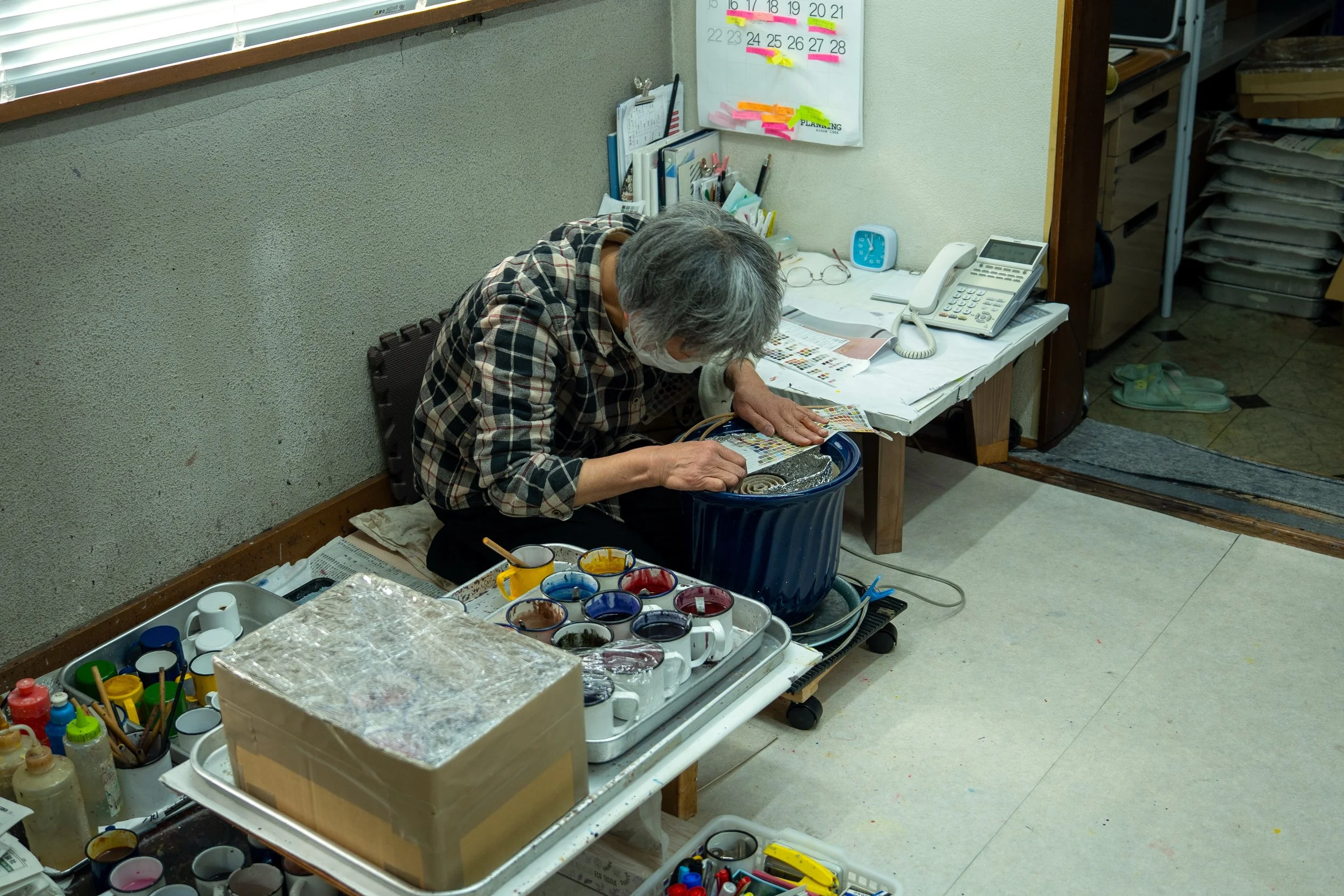
At Okayama Kougei, one can book a tour to learn about Yuzen and watch artisans at work, or both a tour and a workshop experience to create a handkerchief or a miniature Kimono panel using brushes and dyes. It is a fascinating way to connect to the "floating world" of Geisha and Kabuki and participate in a tradition that defined elegance in Japan .

Nenju Bracelets: The Art of Mindful Beads
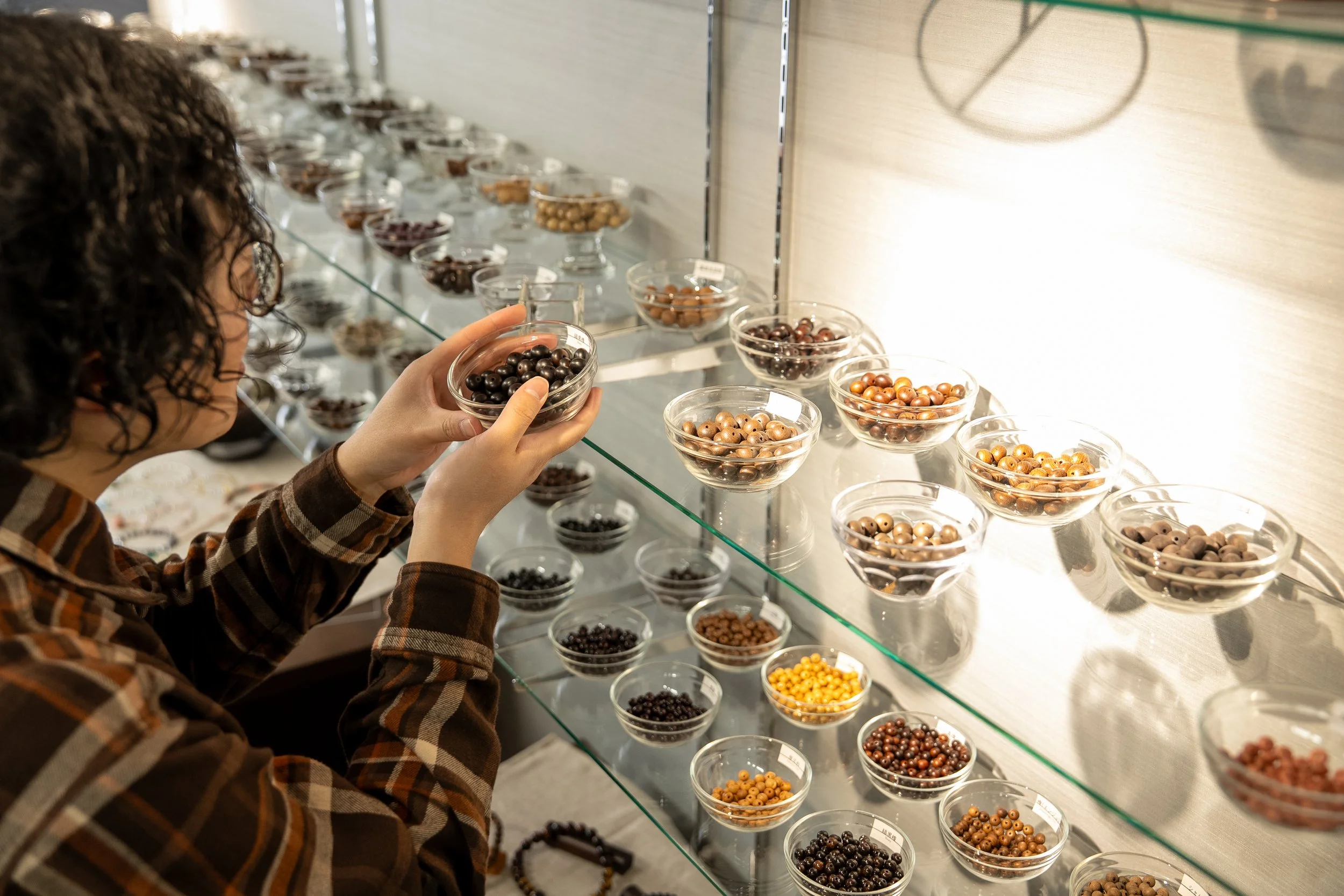
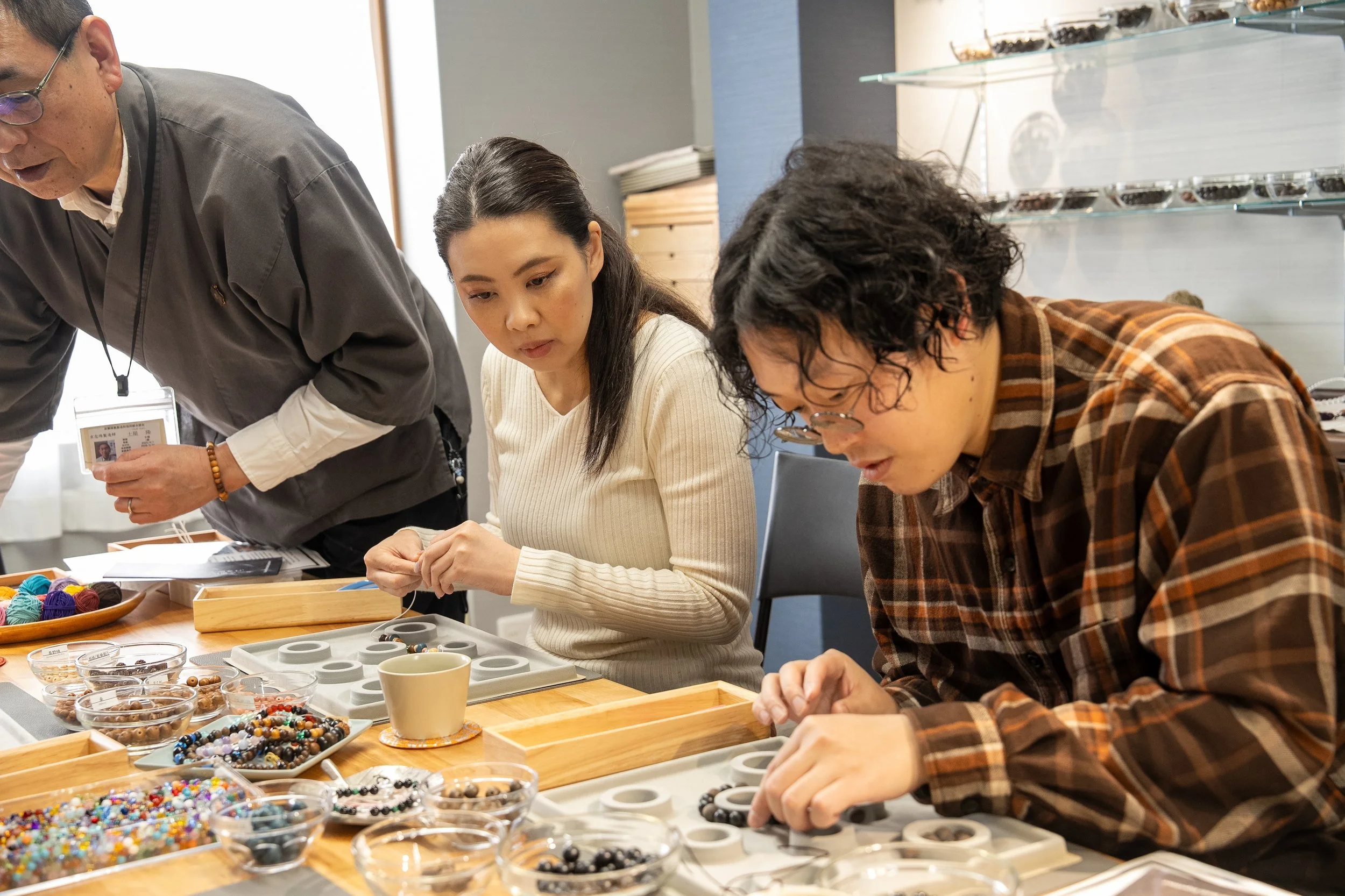
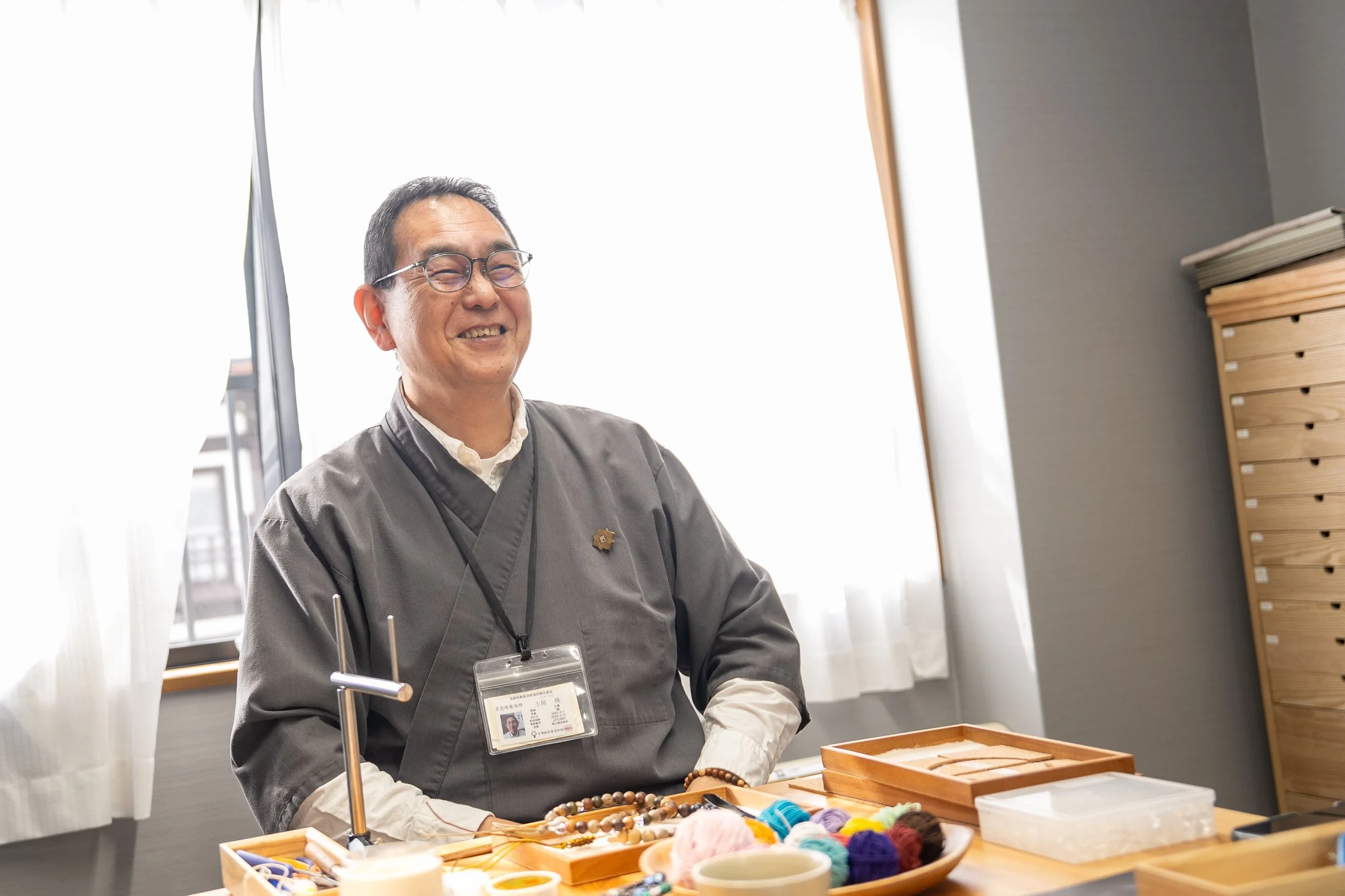
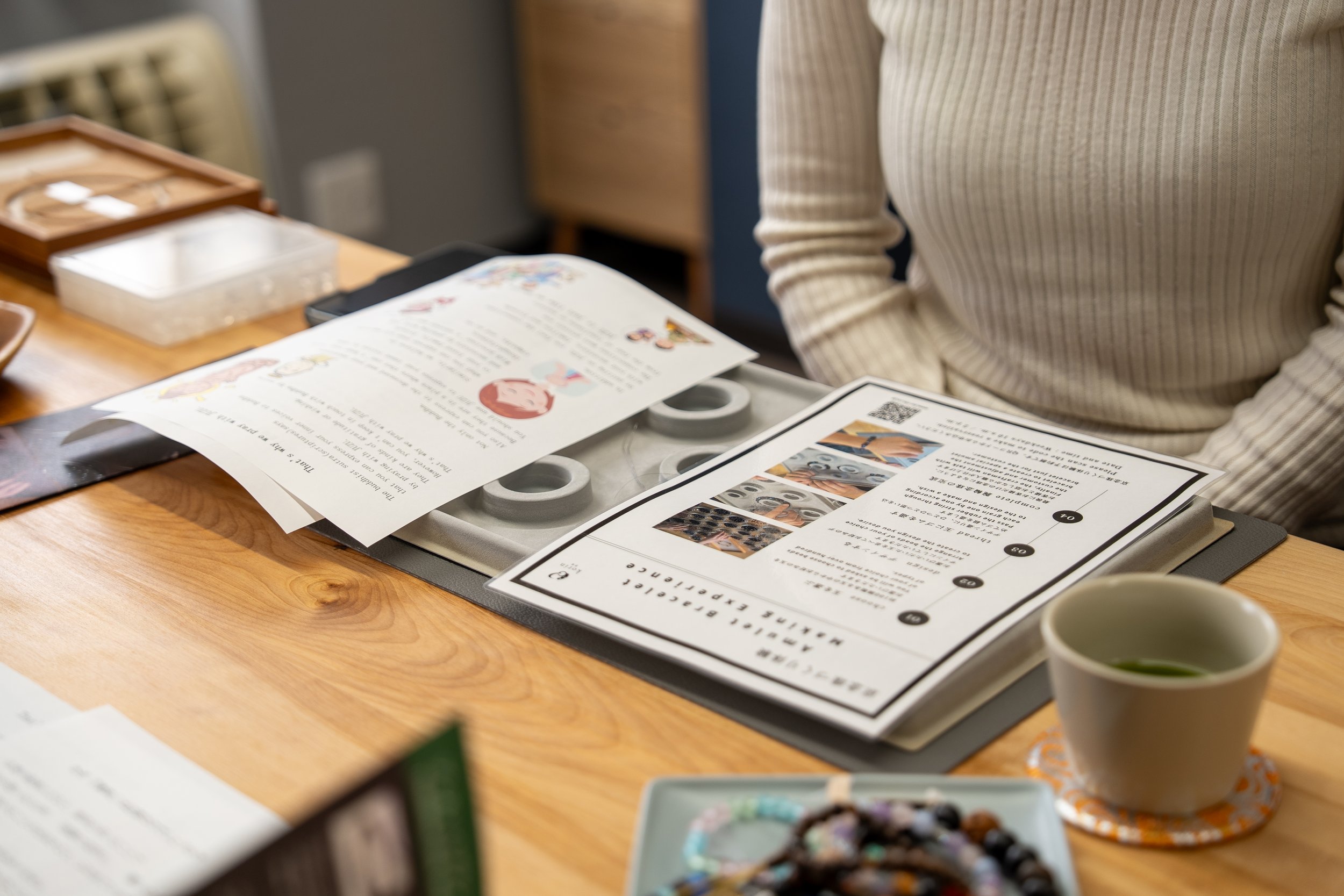
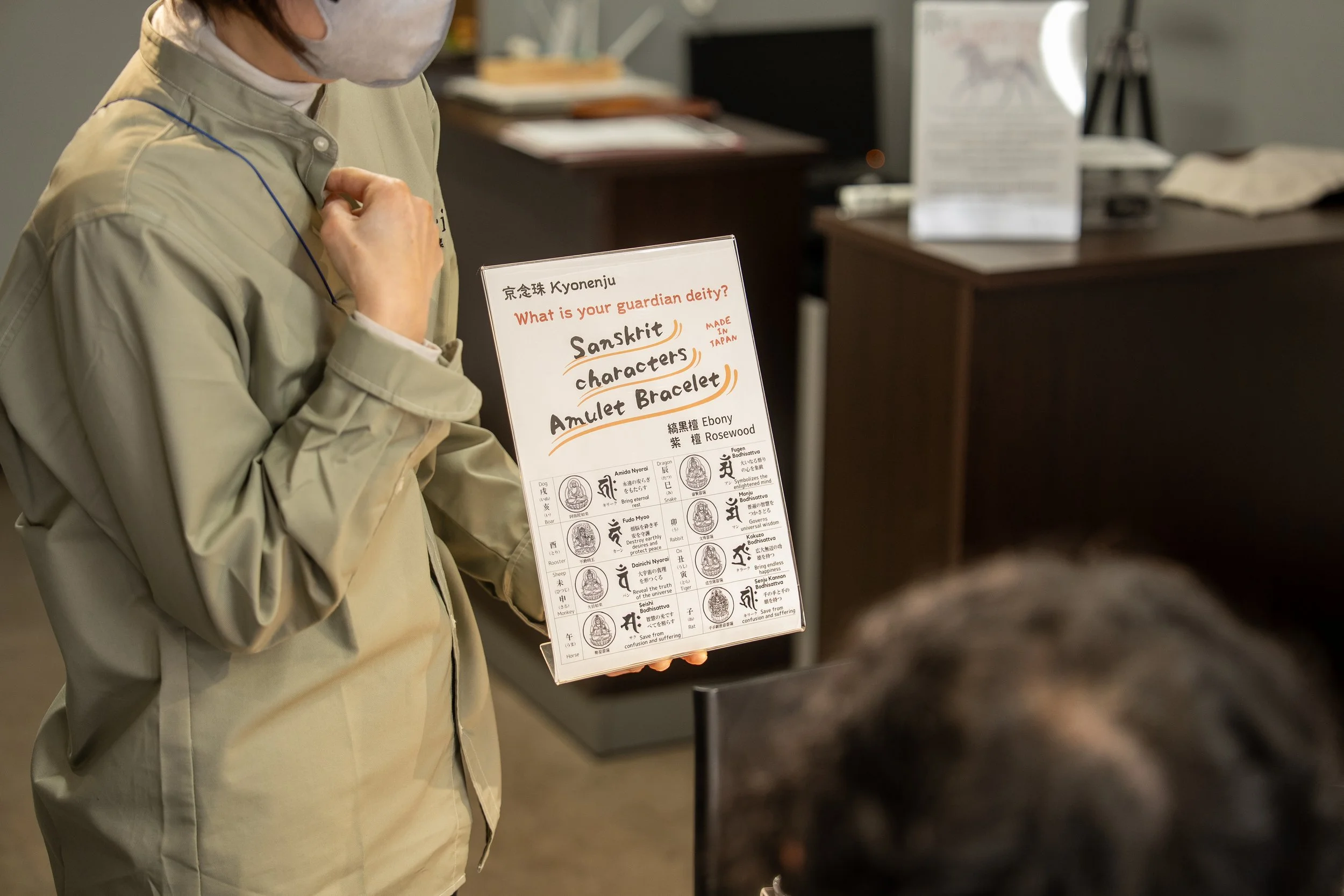
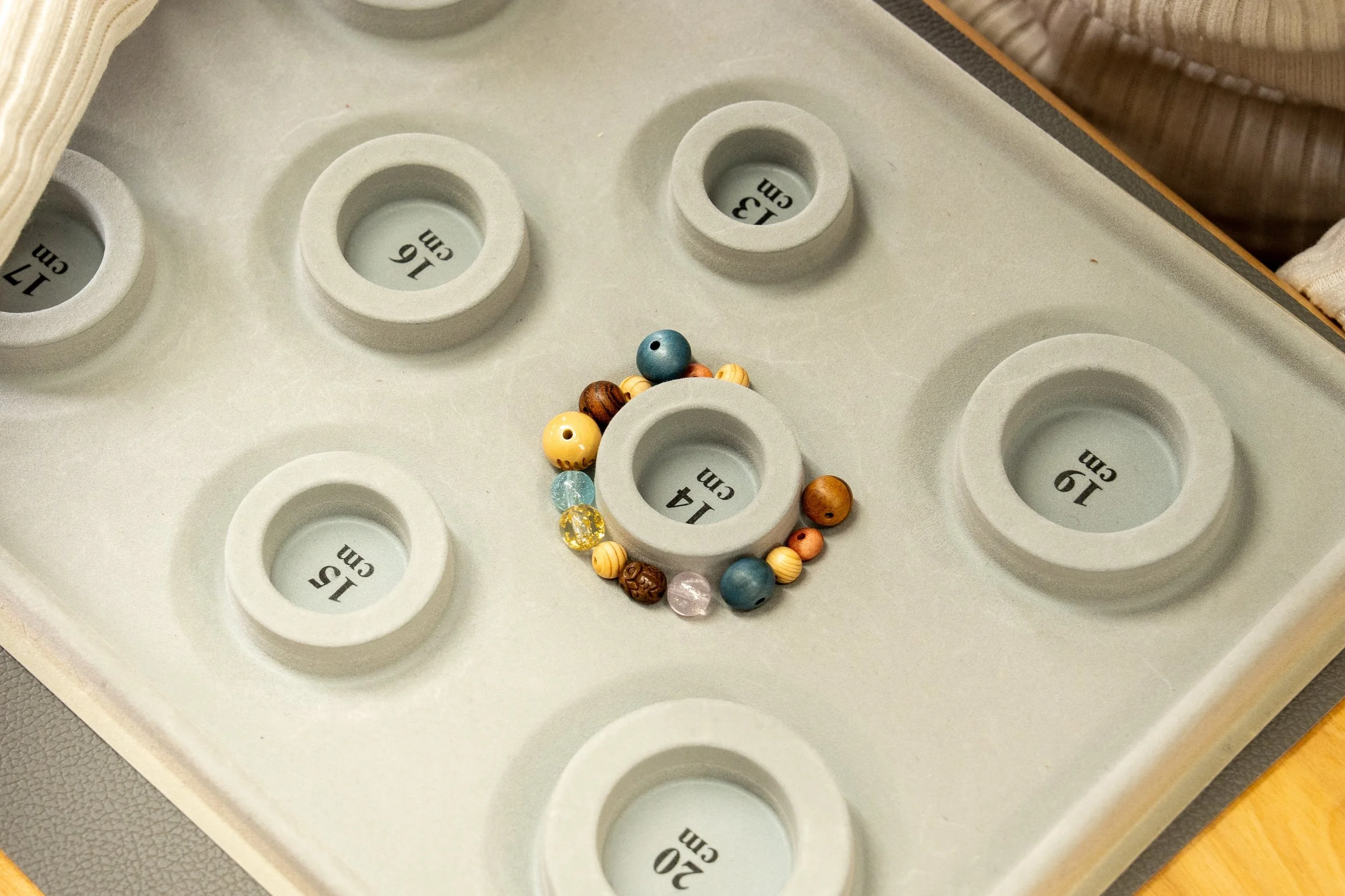
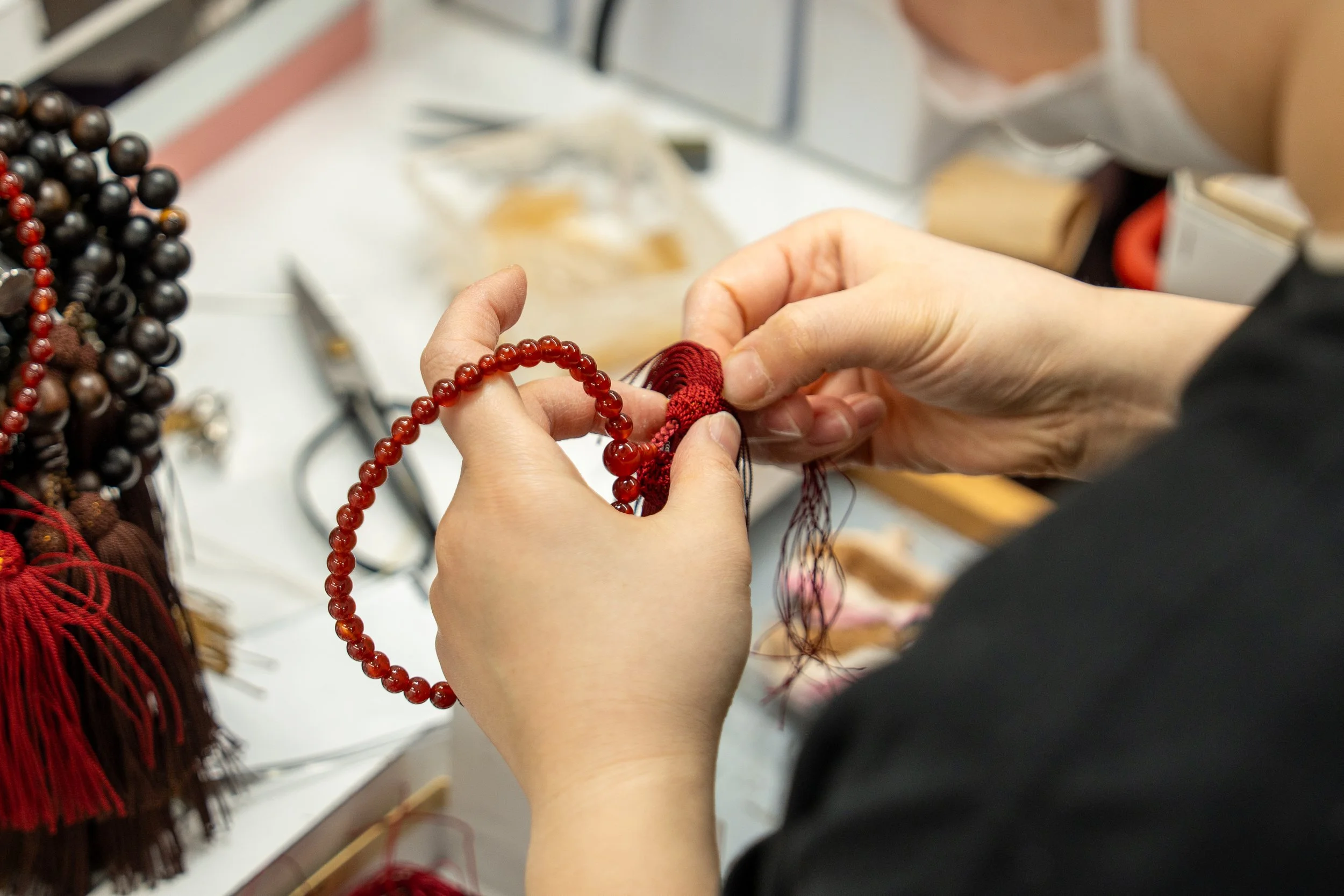
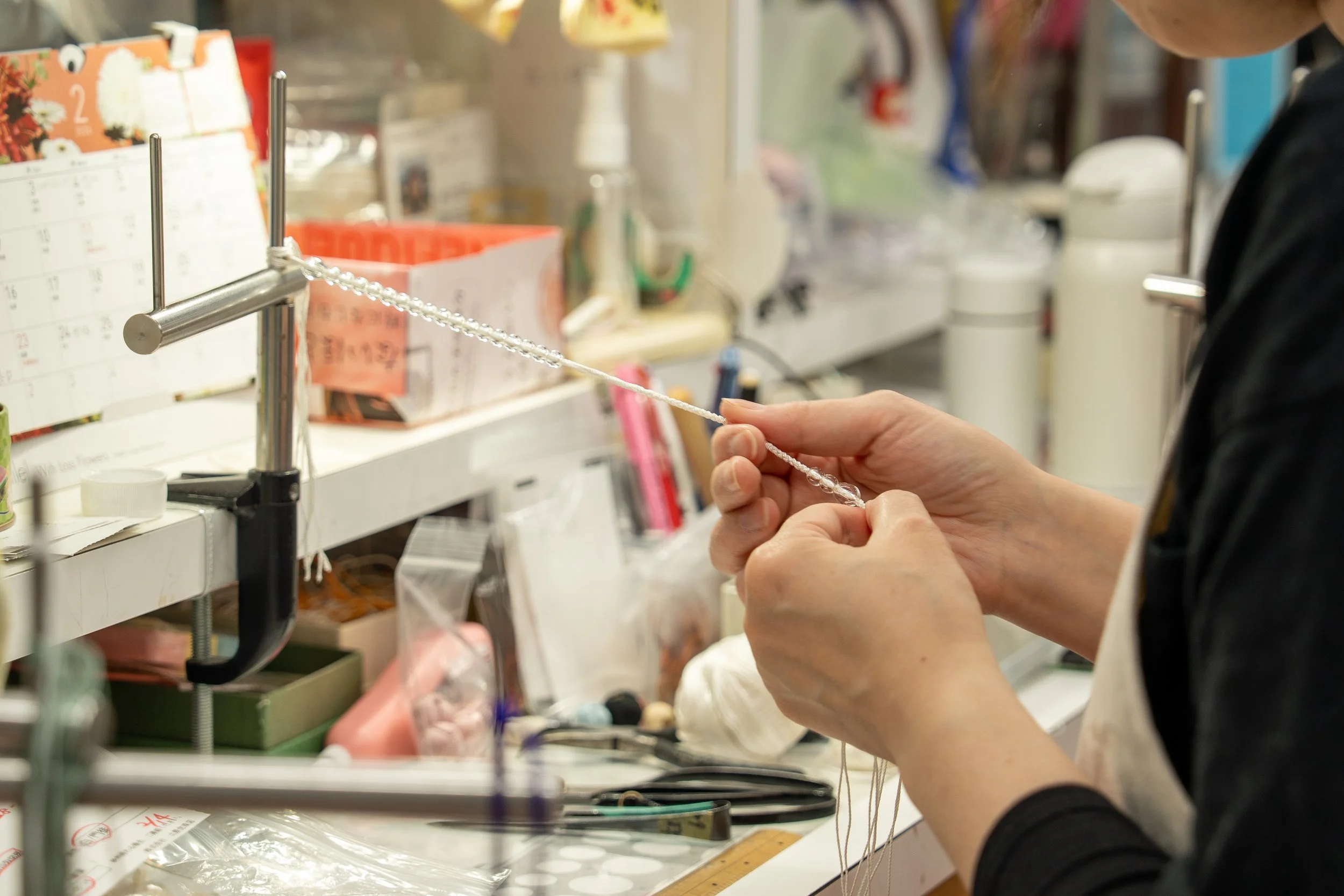
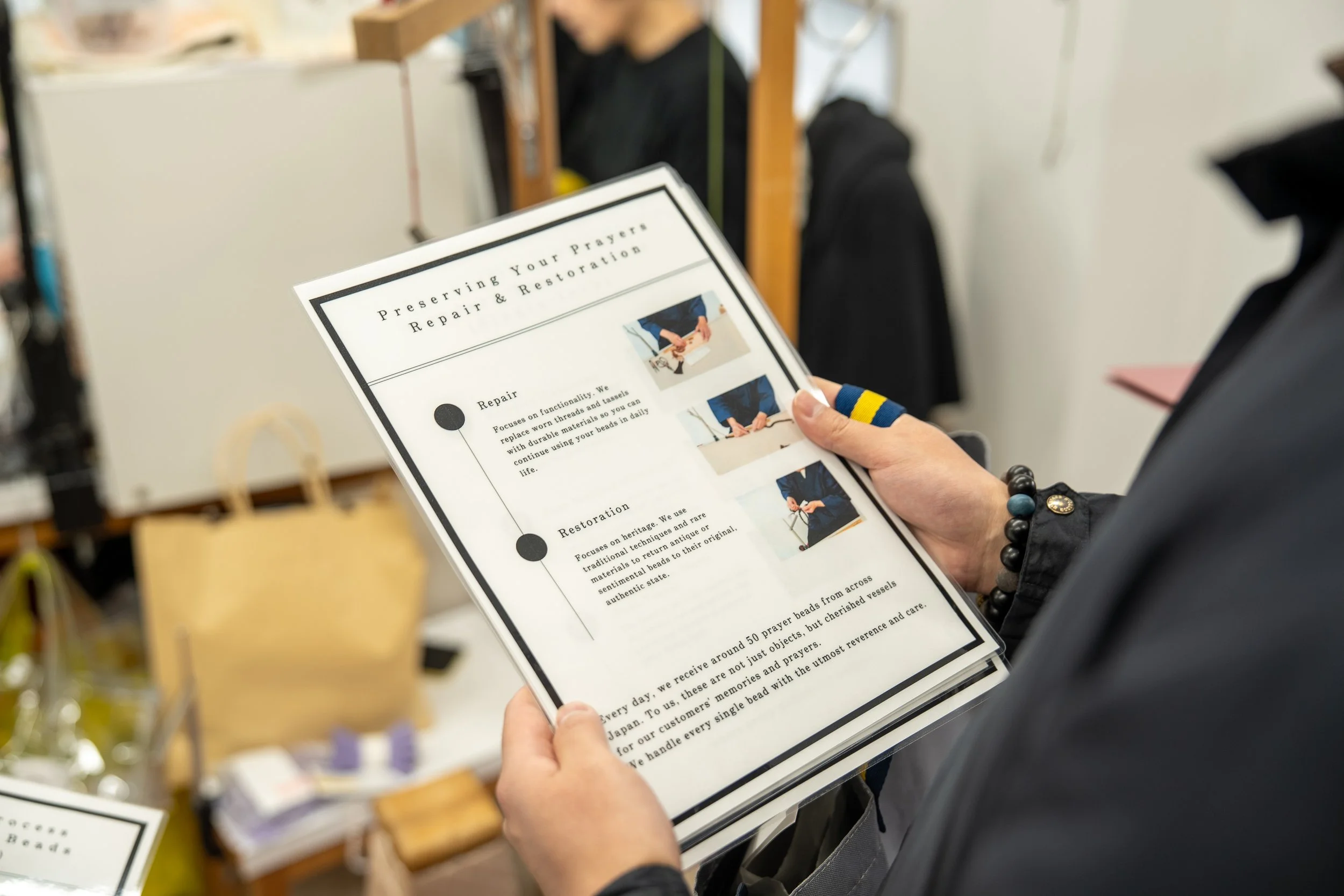
At the Kōrin workshop, you will be guided to make a bracelet from traditional prayer beads (juzu) once used only for temple ceremonies and funerals.
The journey of prayer beads from a strictly religious object to everday bracelet is a fascinating story of tradition adapting to survive. As younger generations moved away from formal Buddhism, artisans and temples reinvented the prayer beads as a personal accessory for personal spirituality, well-being, and mindfulness.
Eri and Kou, who experienced this workshop, were fascinated by how a few simple steps can focus the mind and make them more in touch with themselves.
"As we select beads and string them, we set an intention to the acts. The process links us to an ancient spirituality and helps us stay connected. The bracelet is like a tangible reminder of our journey ," says Eri Kono, Genji Kyoto's Hospitality Manager.
Wagasa: Japanese Umbrellas made from Bamboo and Washi Paper
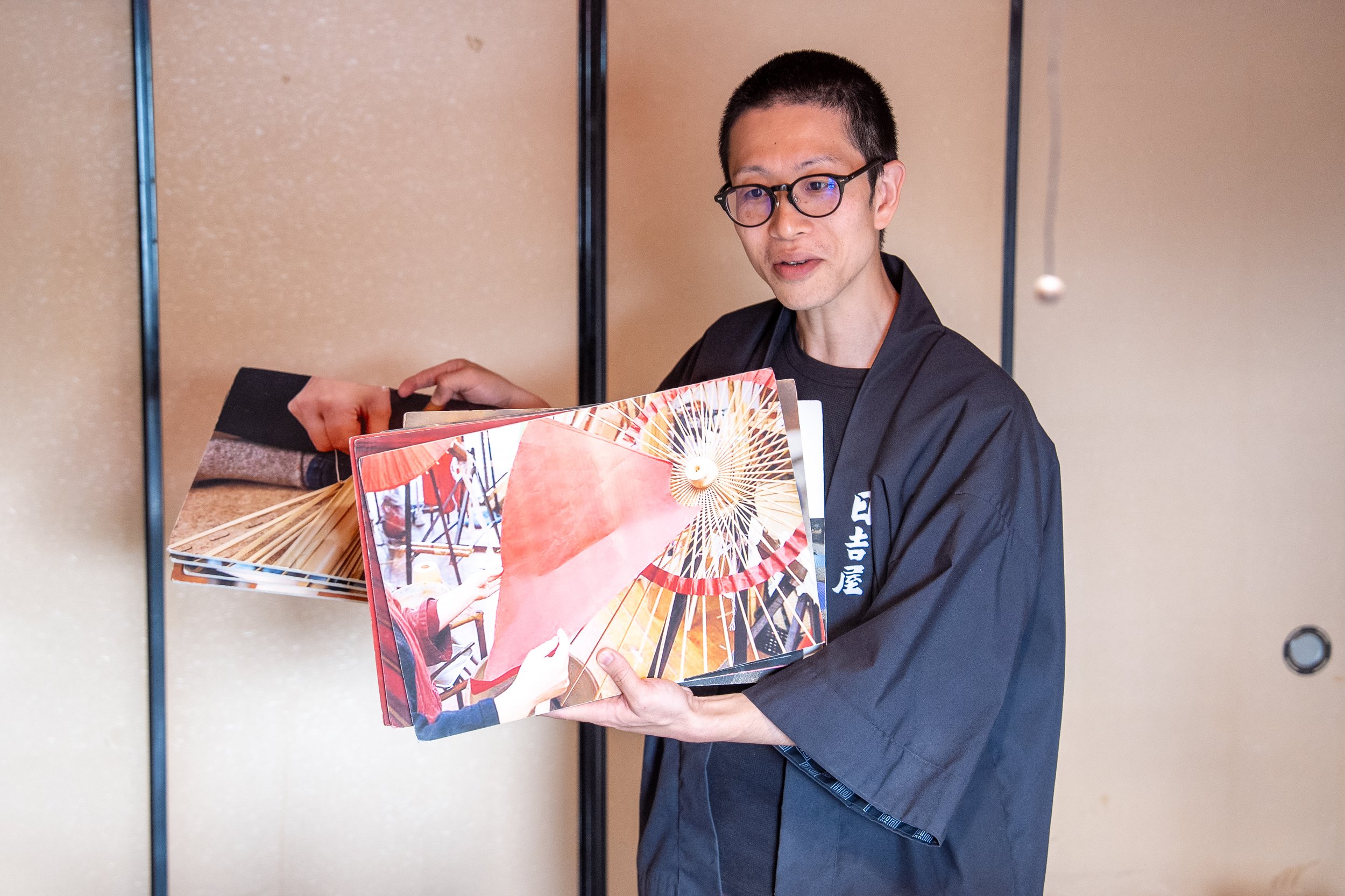
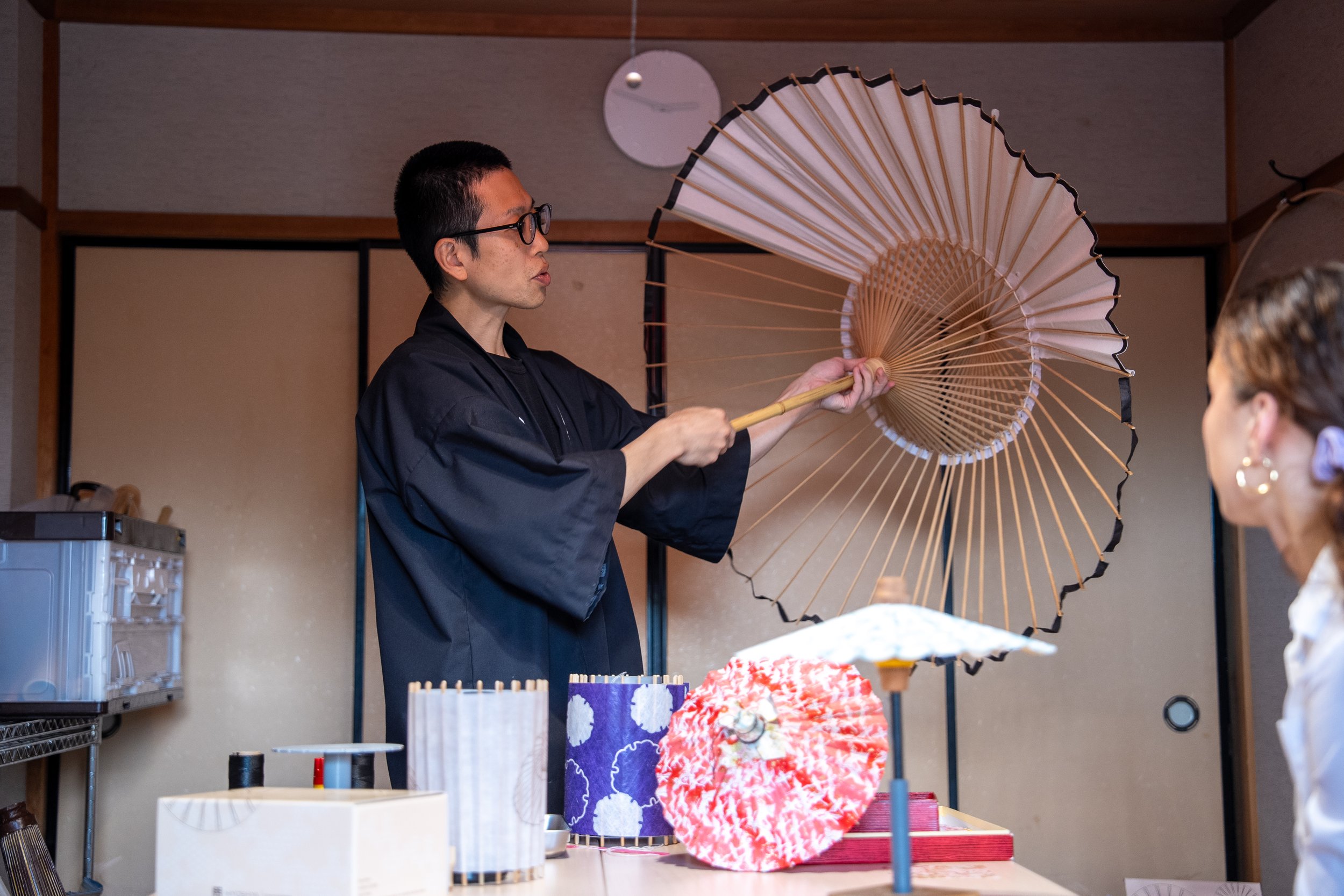
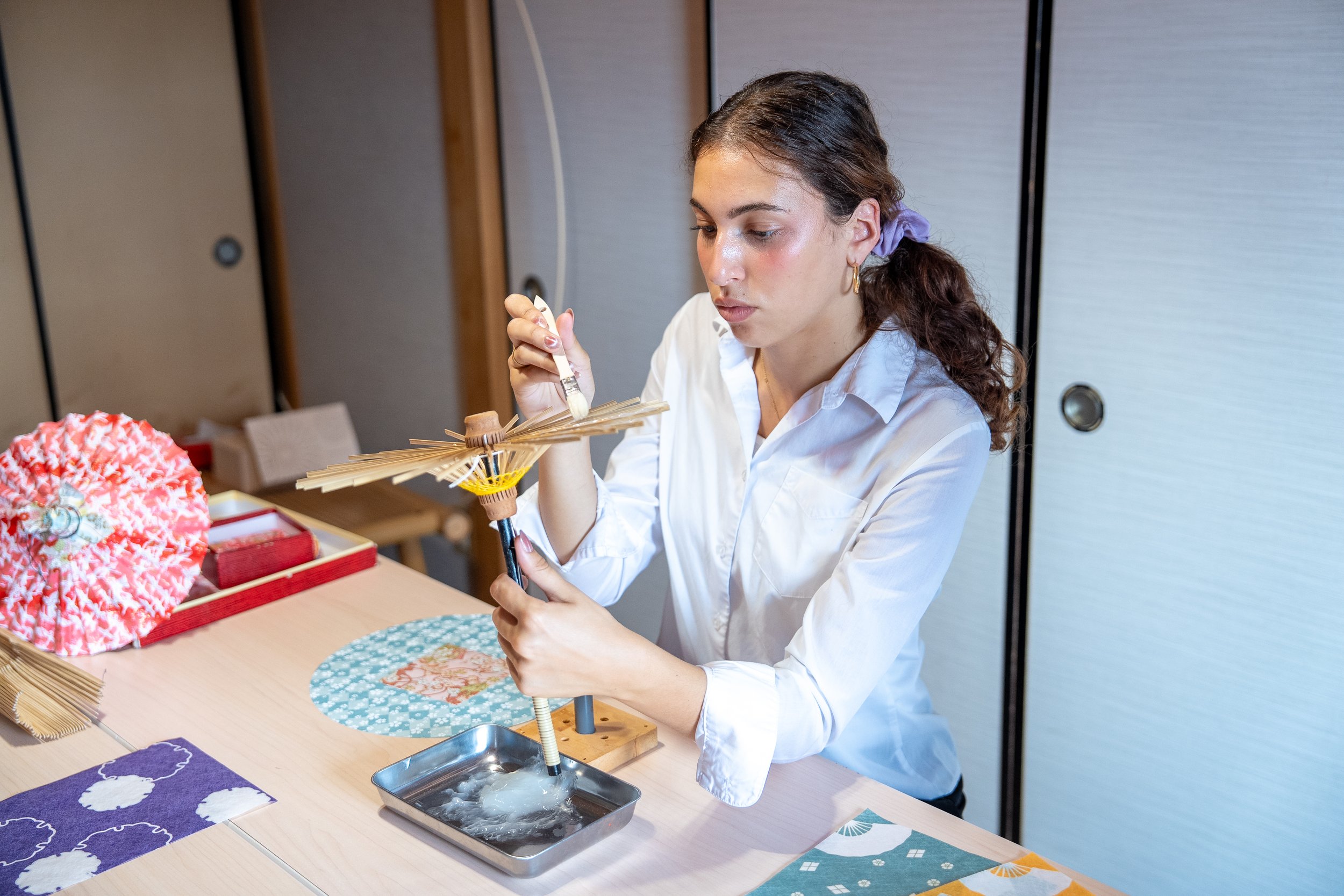
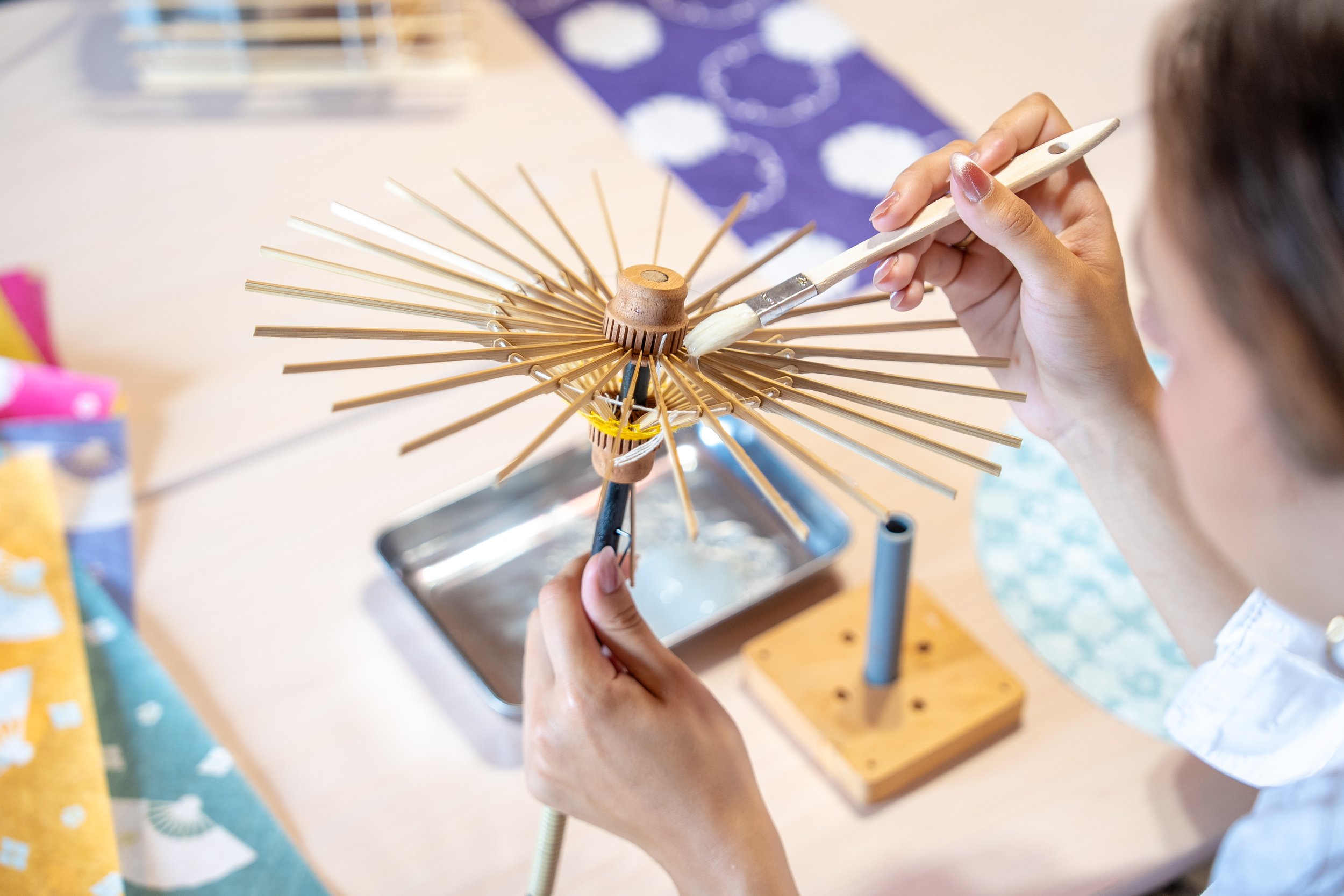
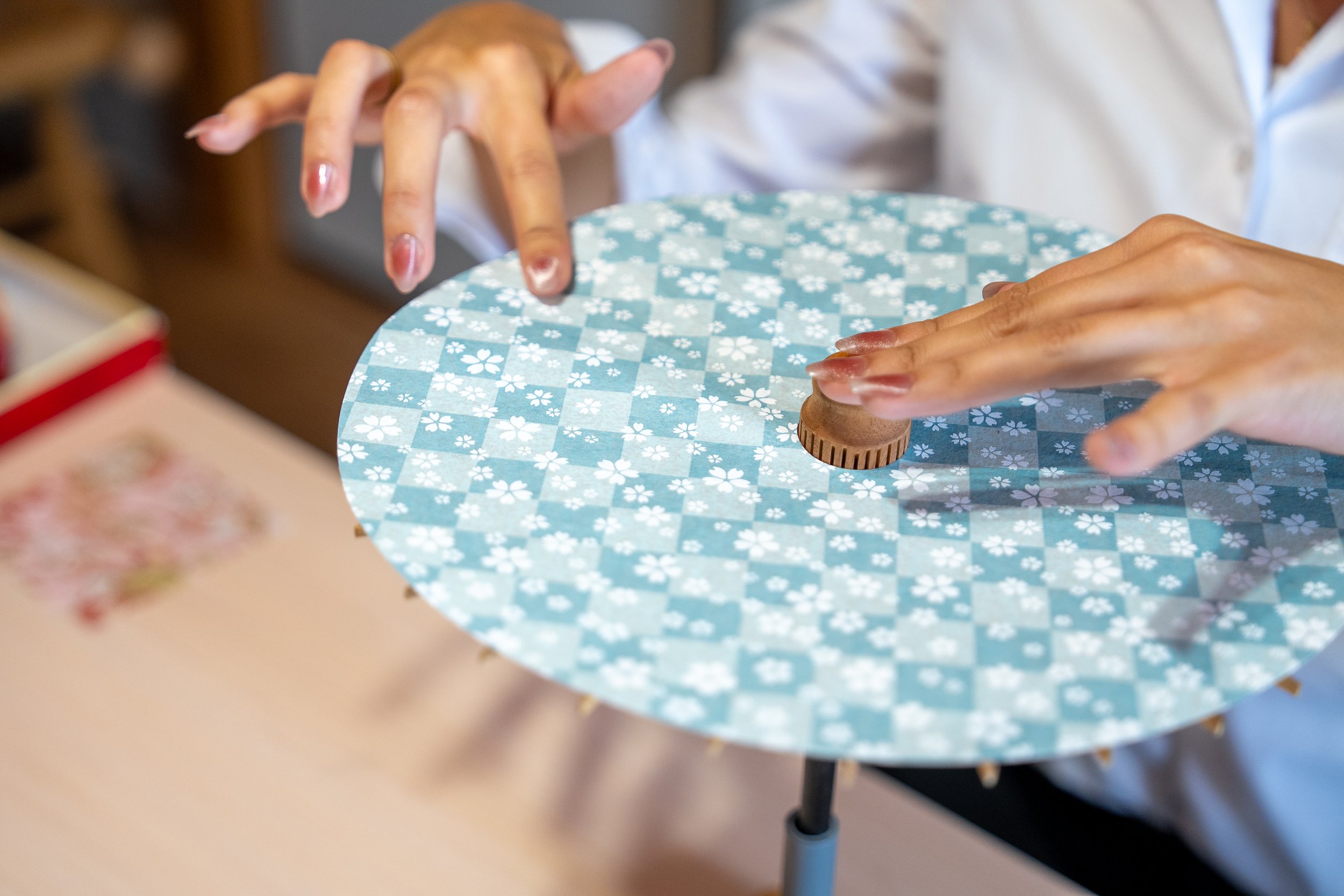
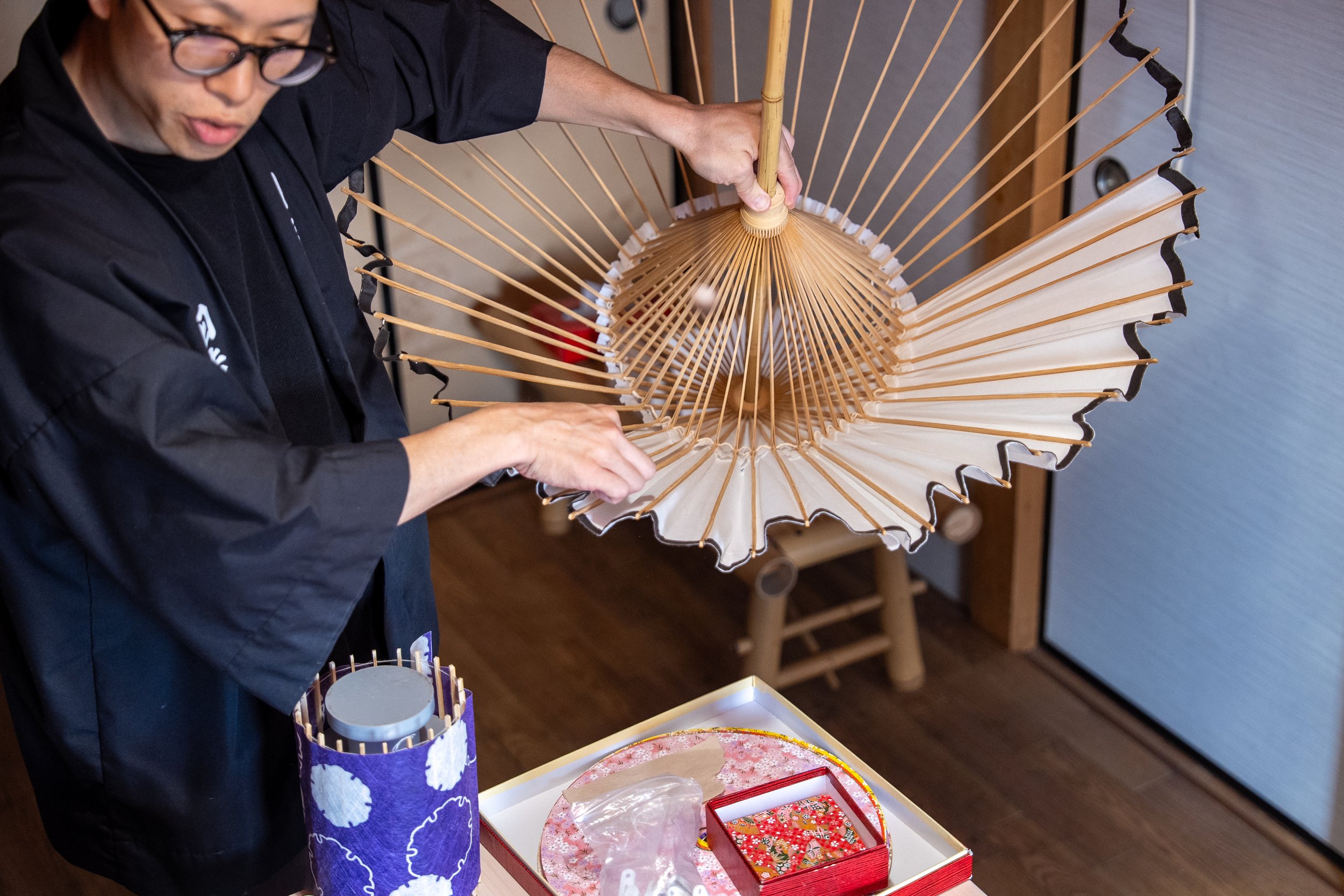
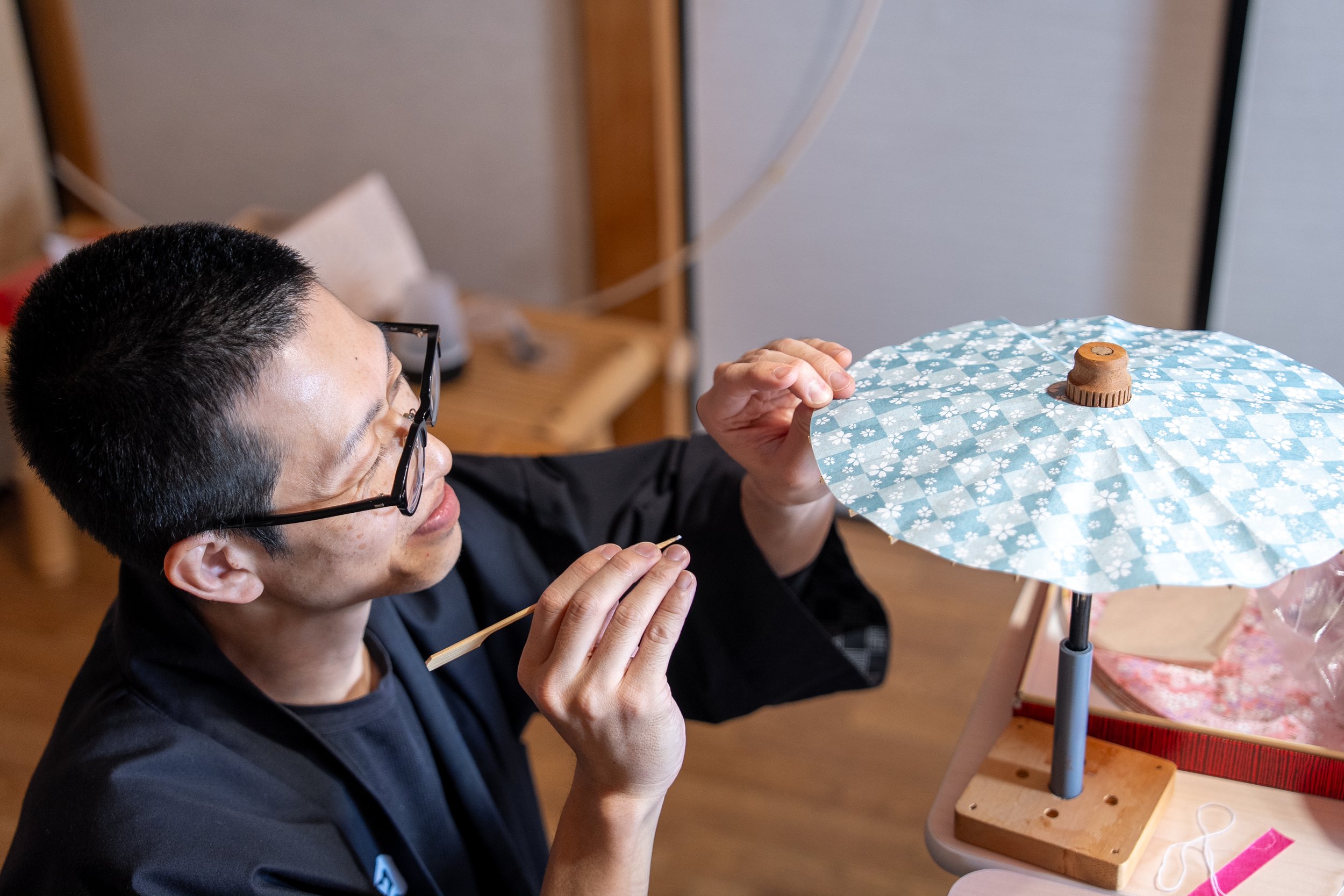
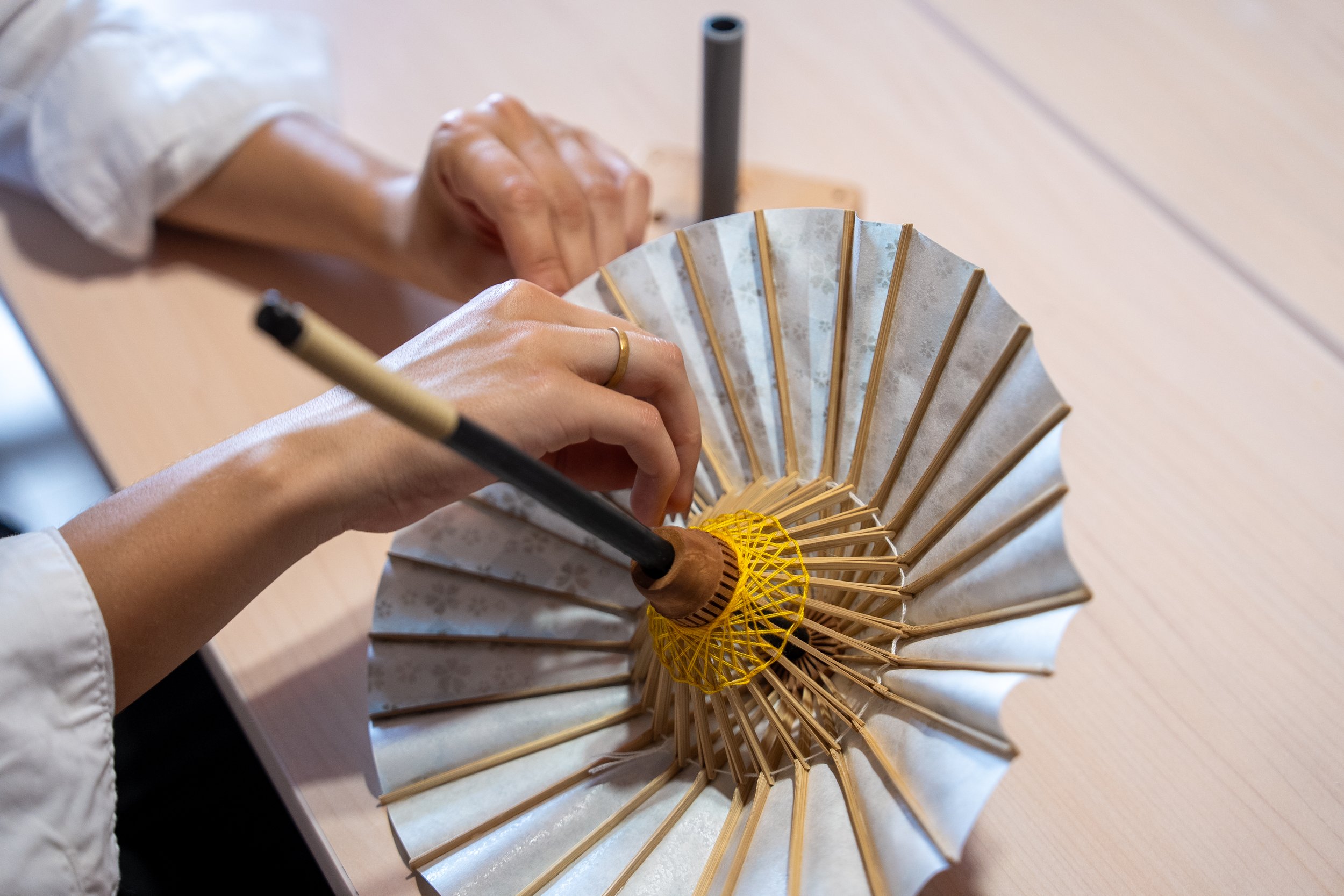
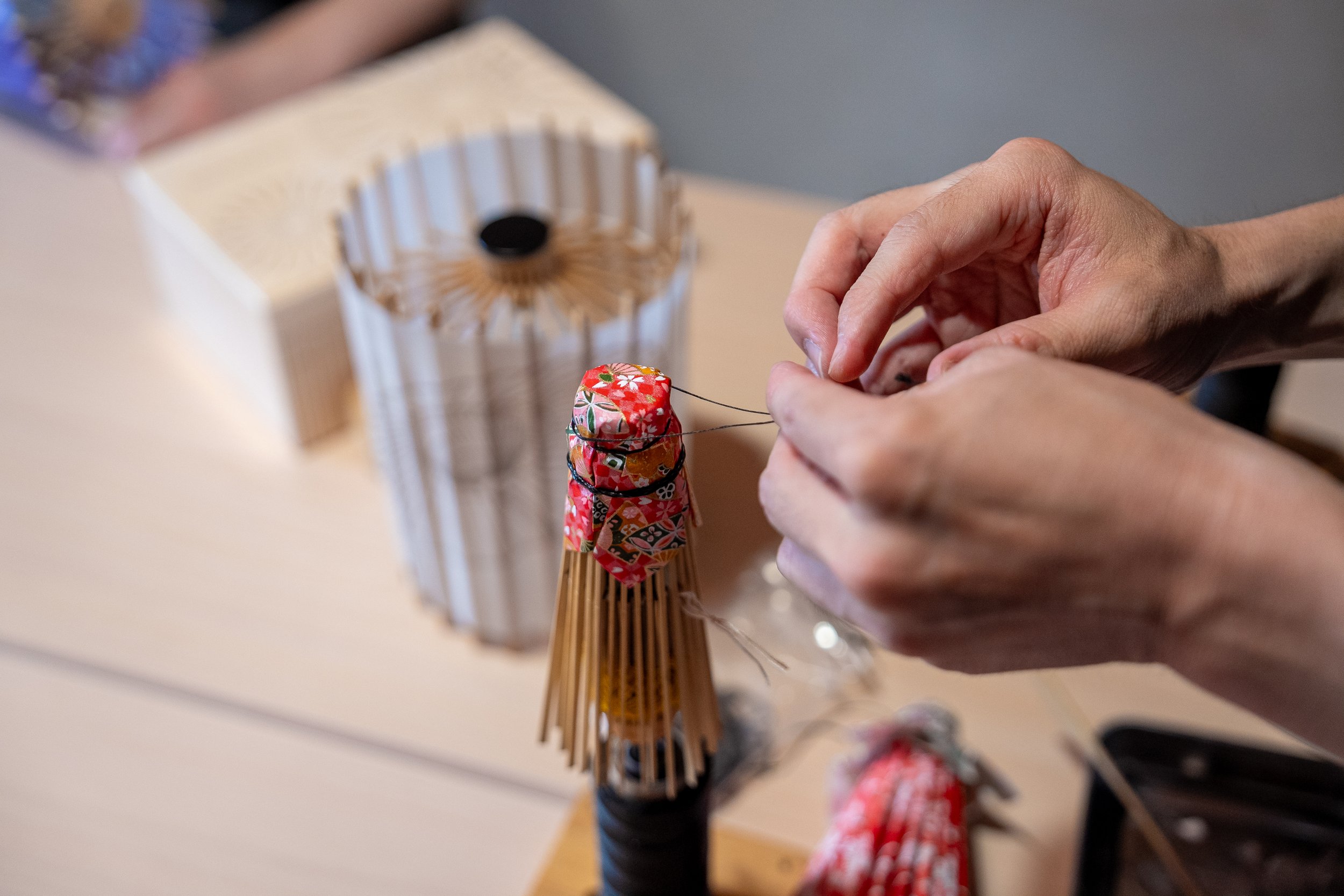
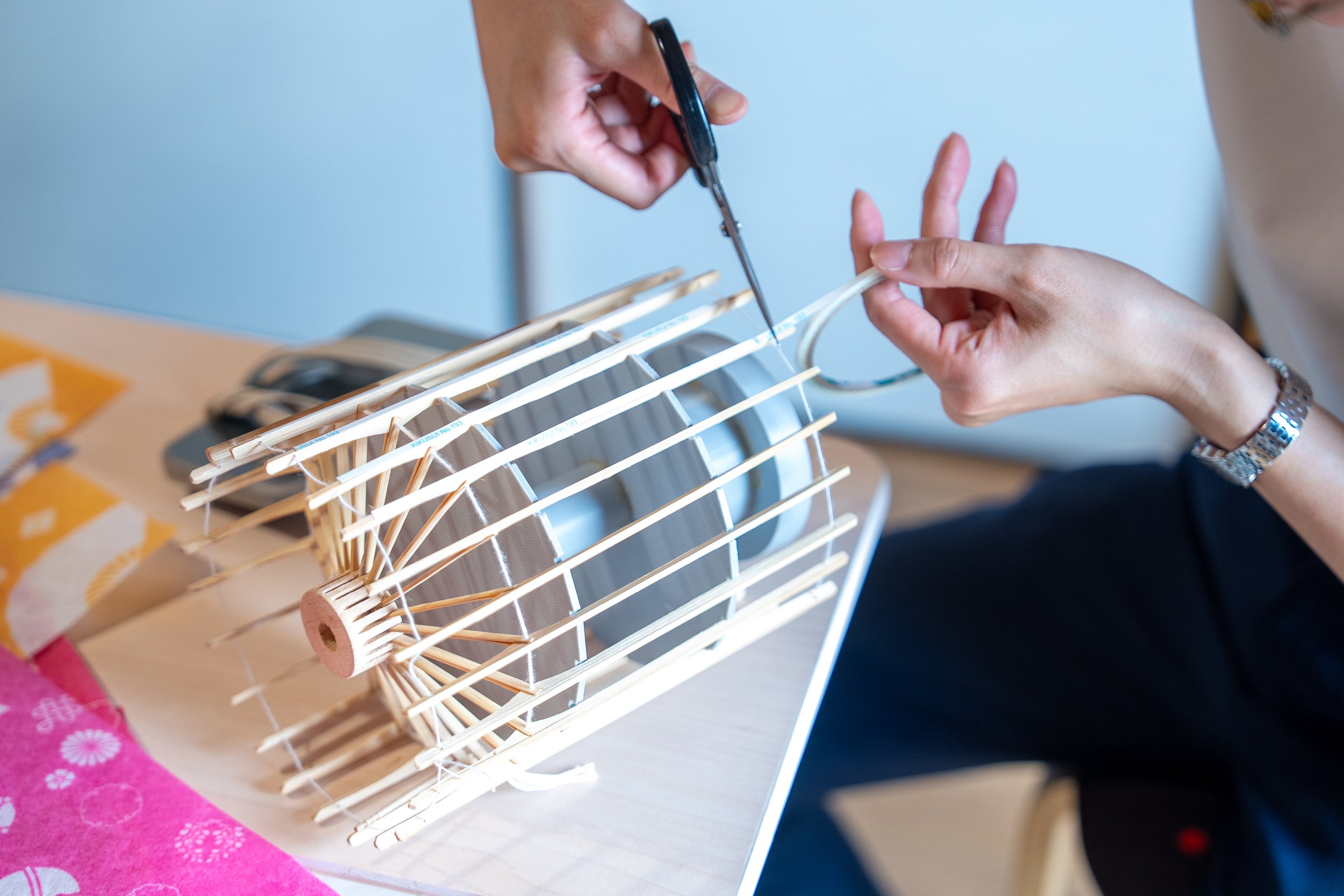
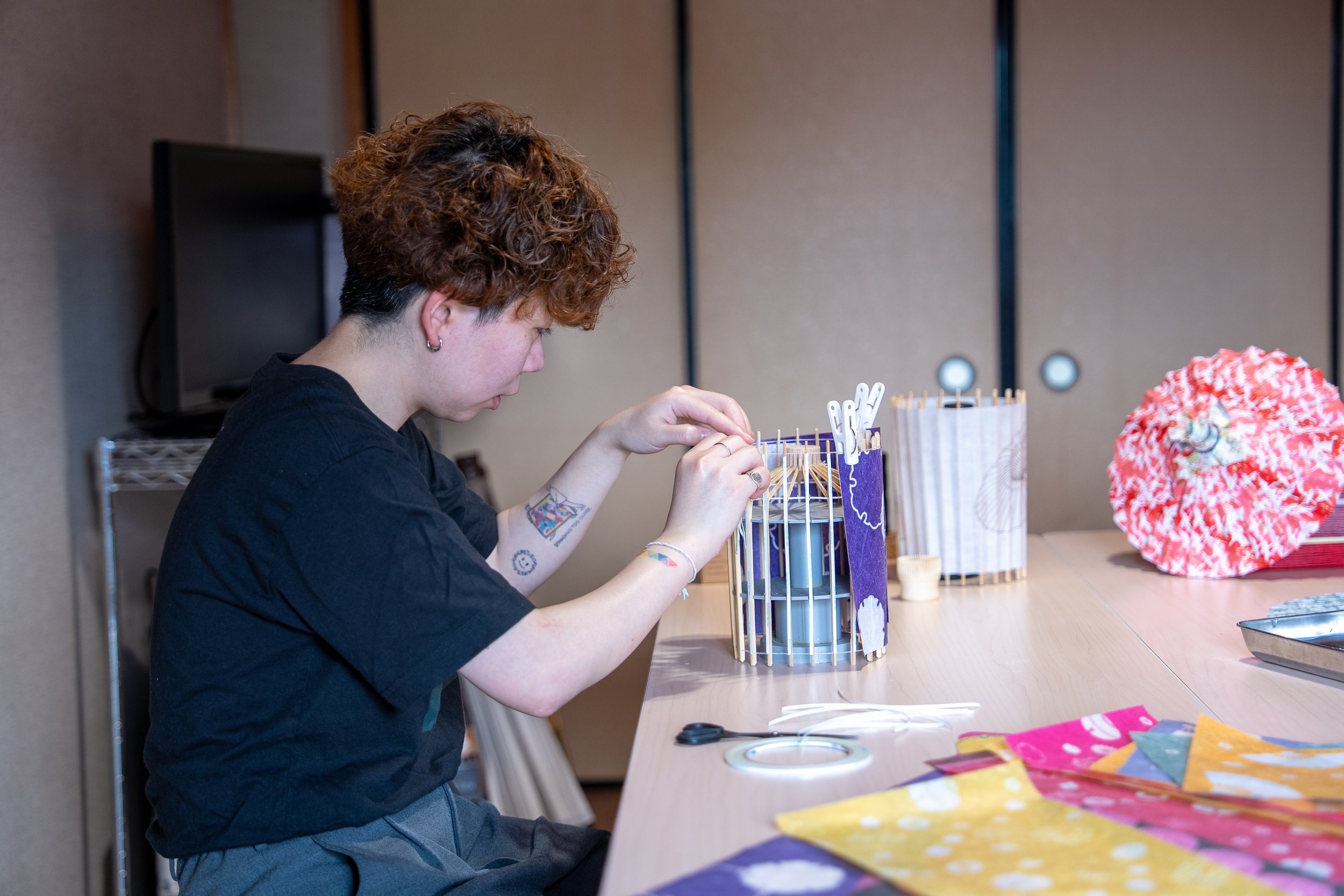
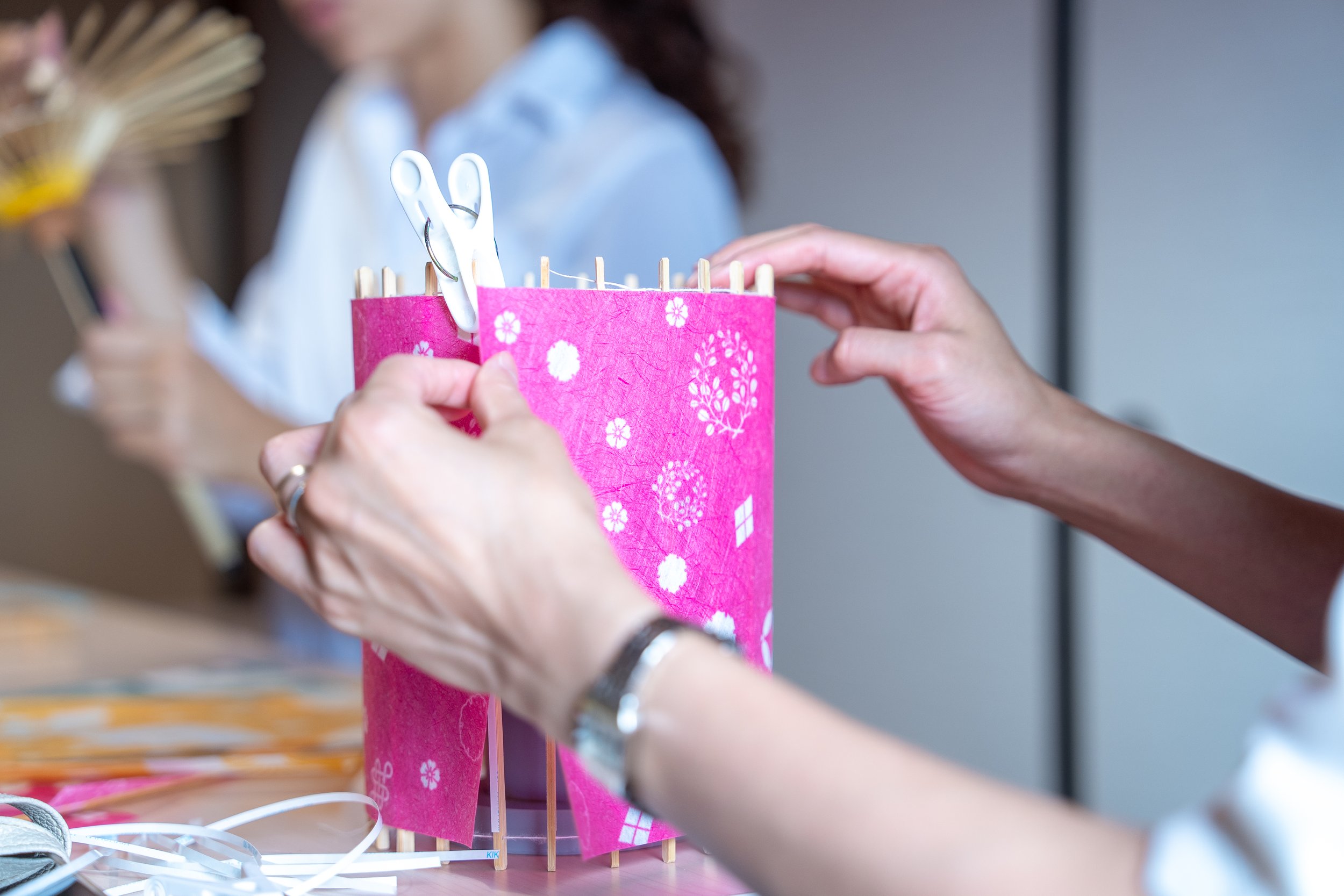
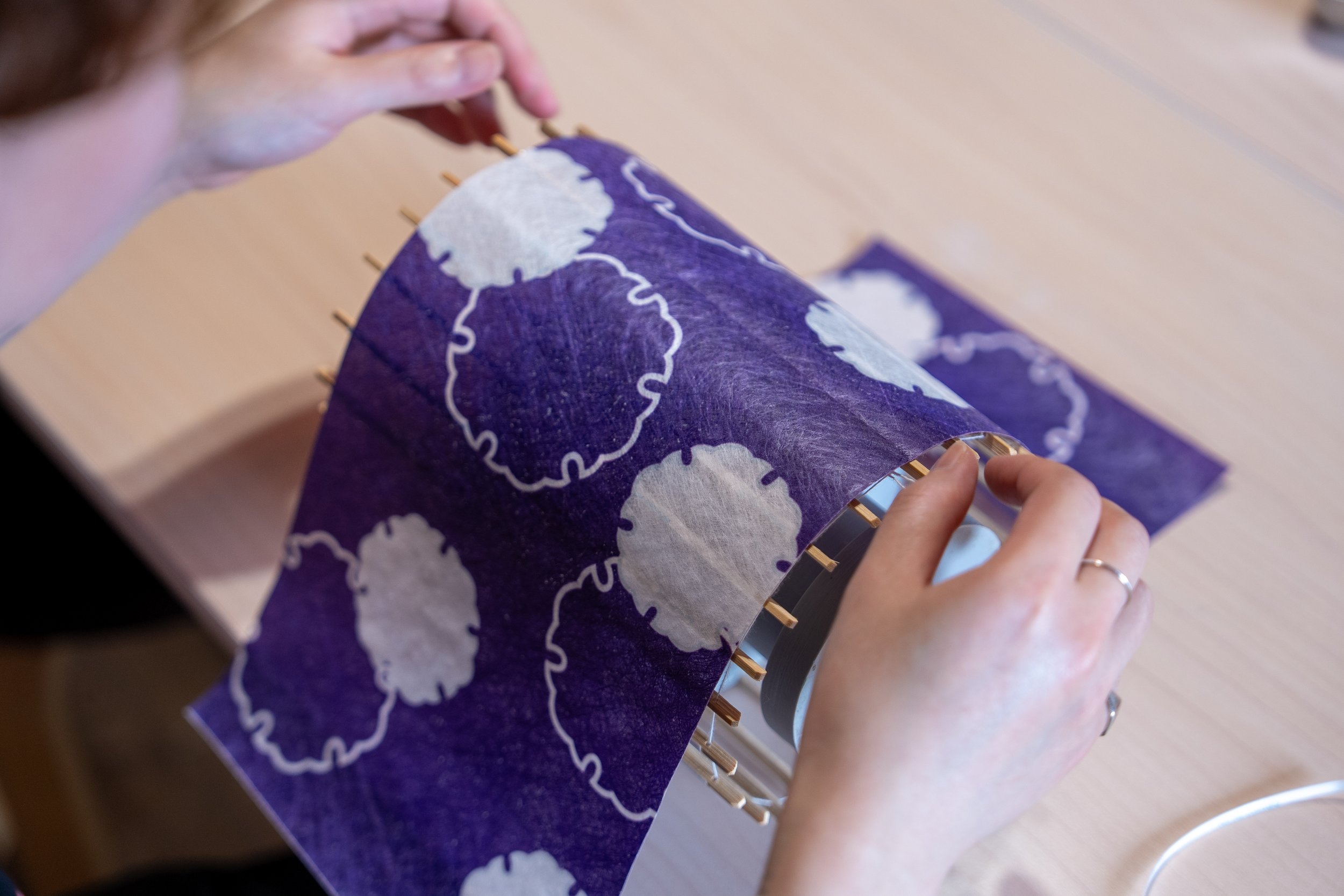
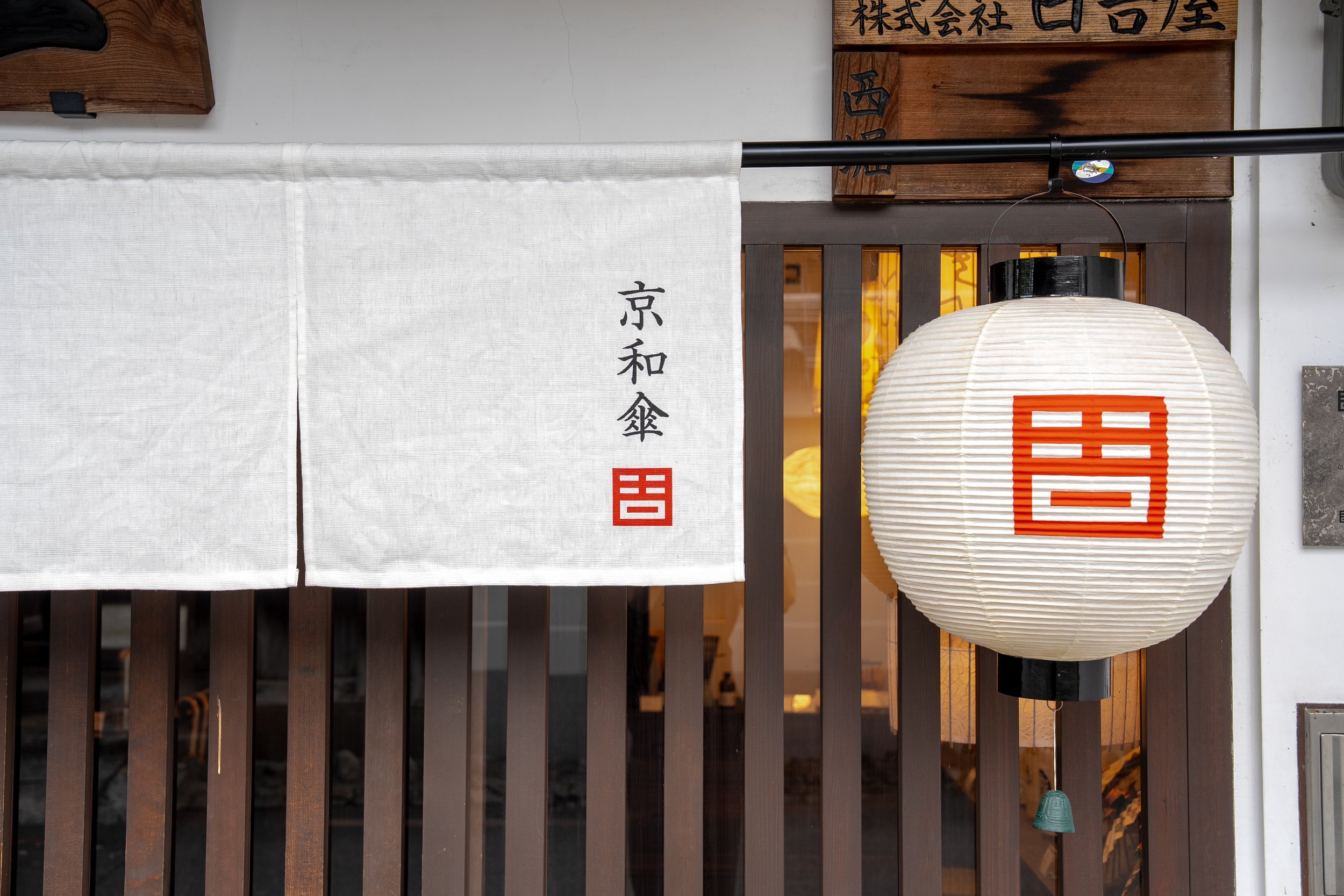
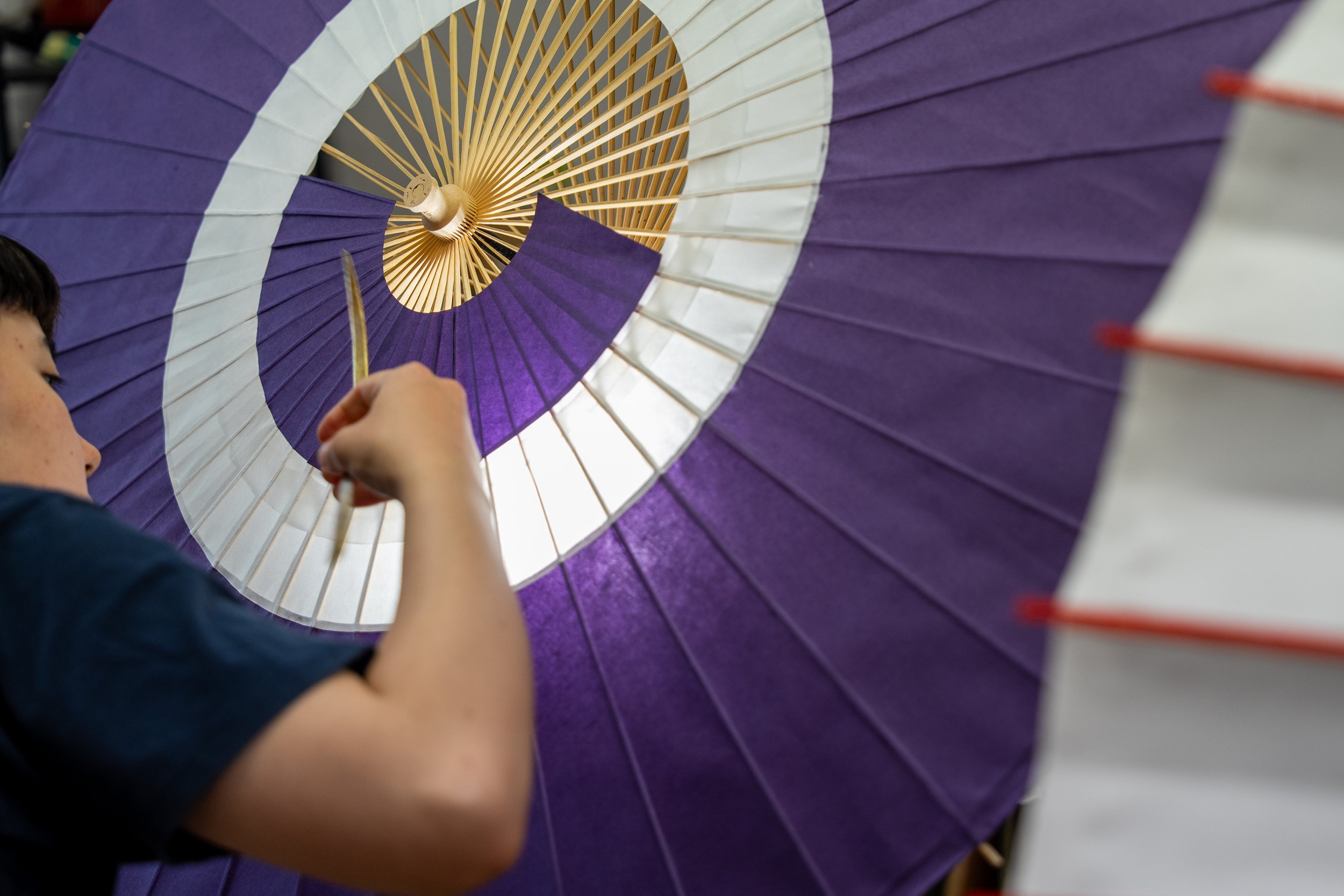
From rigid parasols to foldable umbrellas, the crafting of Japanese Wagasa has continuously evolved over the centuries. Today the technique of mounting Washi paper over bamboo ribs is used to make not just parasols and umbrellas, but also lamps and lighting fixtures. At Hiyoshiya, a Wagasa maker and store founded in the late Edo period, you can join a workshop to make a mini-Wagasa or a small lamp, and have a guided tour of their atelier to observe artisans at work.
Our bartender Kyoka and intern from France Alex, who respectively made a lamp and a mini umbrella, thoroughly enjoyed the experience as one that required concentration and finesse but not too much technical skill.
"I had fun making a Washi paper lamp using the structure of a Wagasa. Our host Onodera-san gave us very clear instructions, and also led us to have a tour of the atelier. It was fascinating to watch the craftsmen at work. I felt immersed in Japanese tradition," said Kyoka.
Urushi: a Timeless Beauty Born from Trees
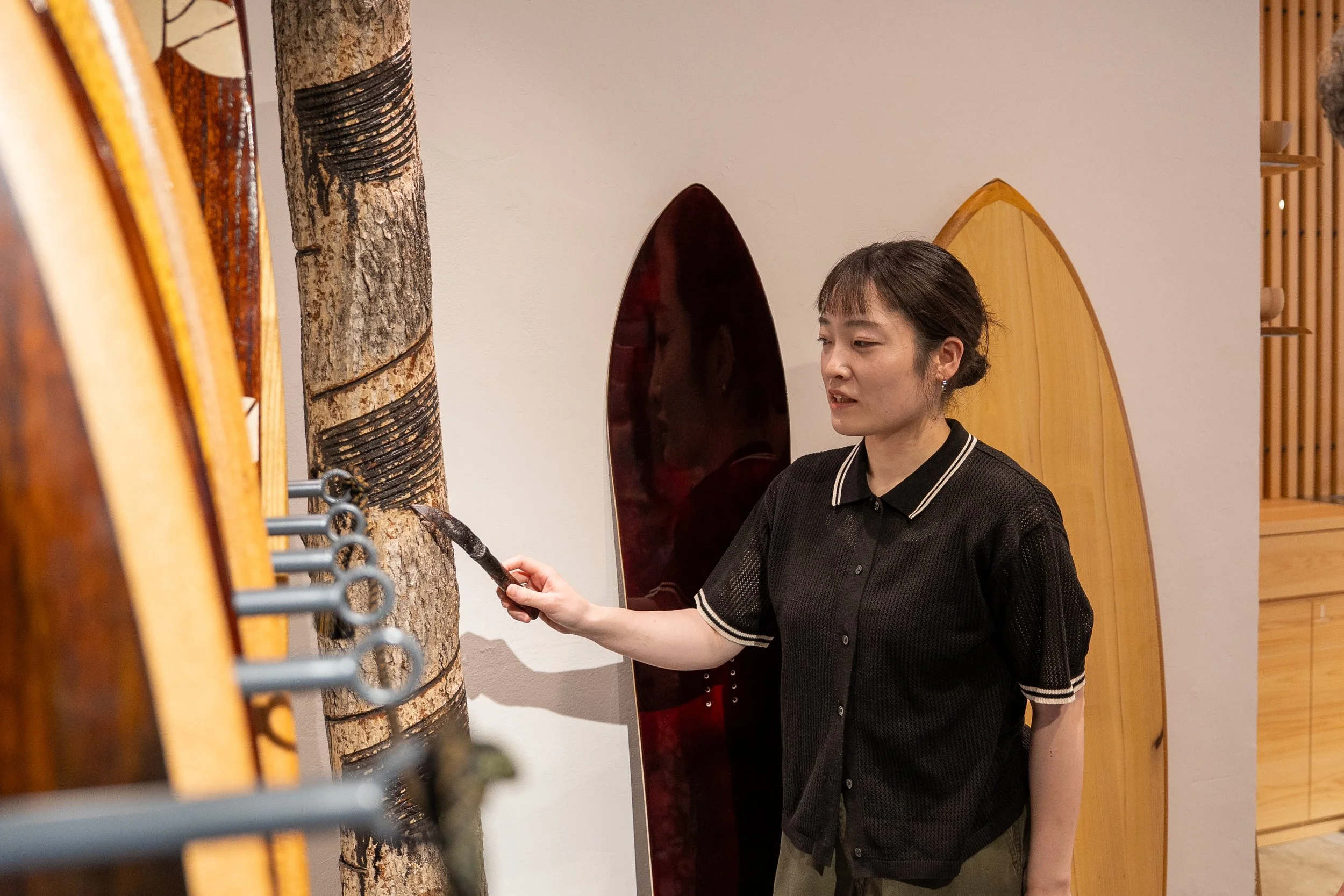
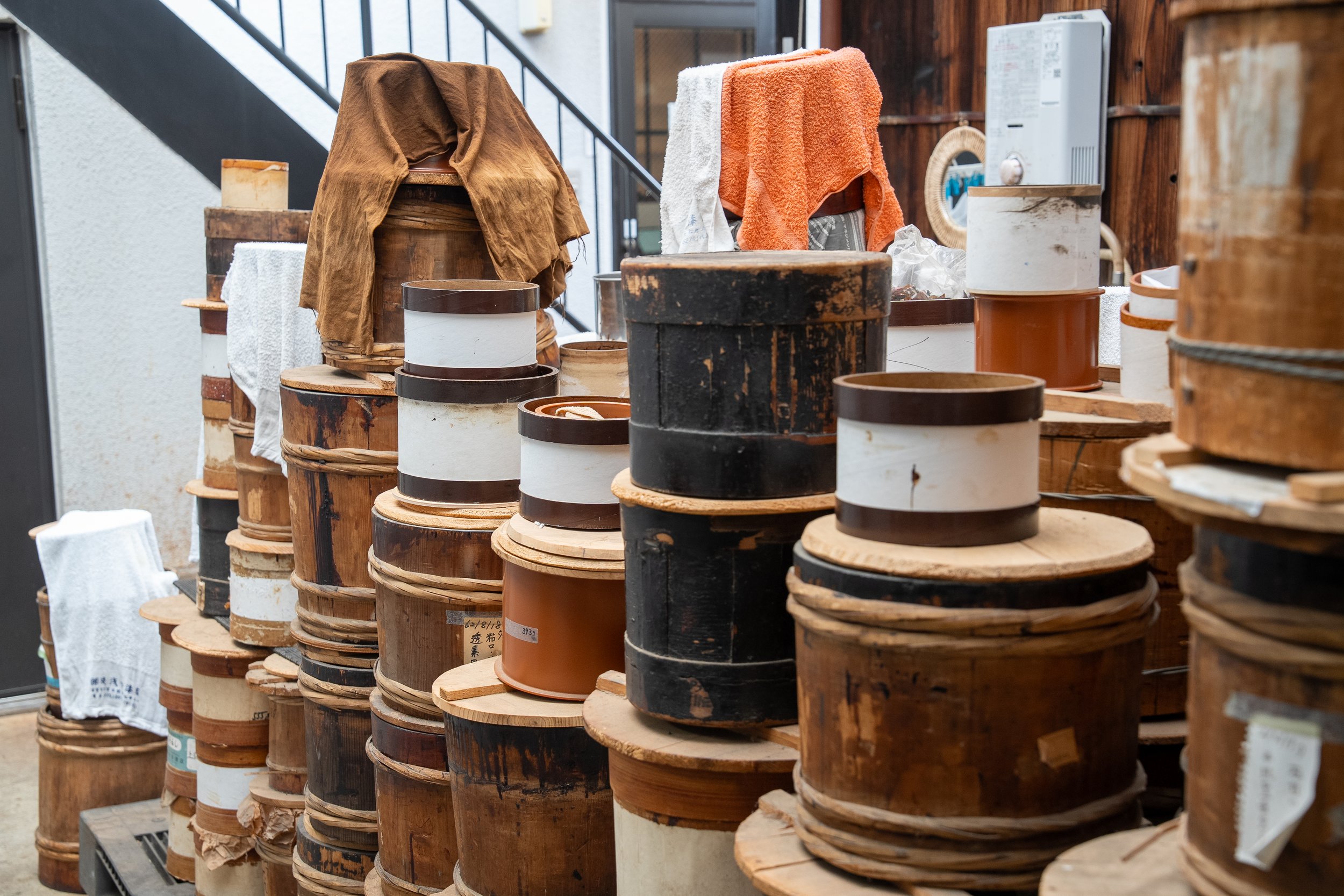
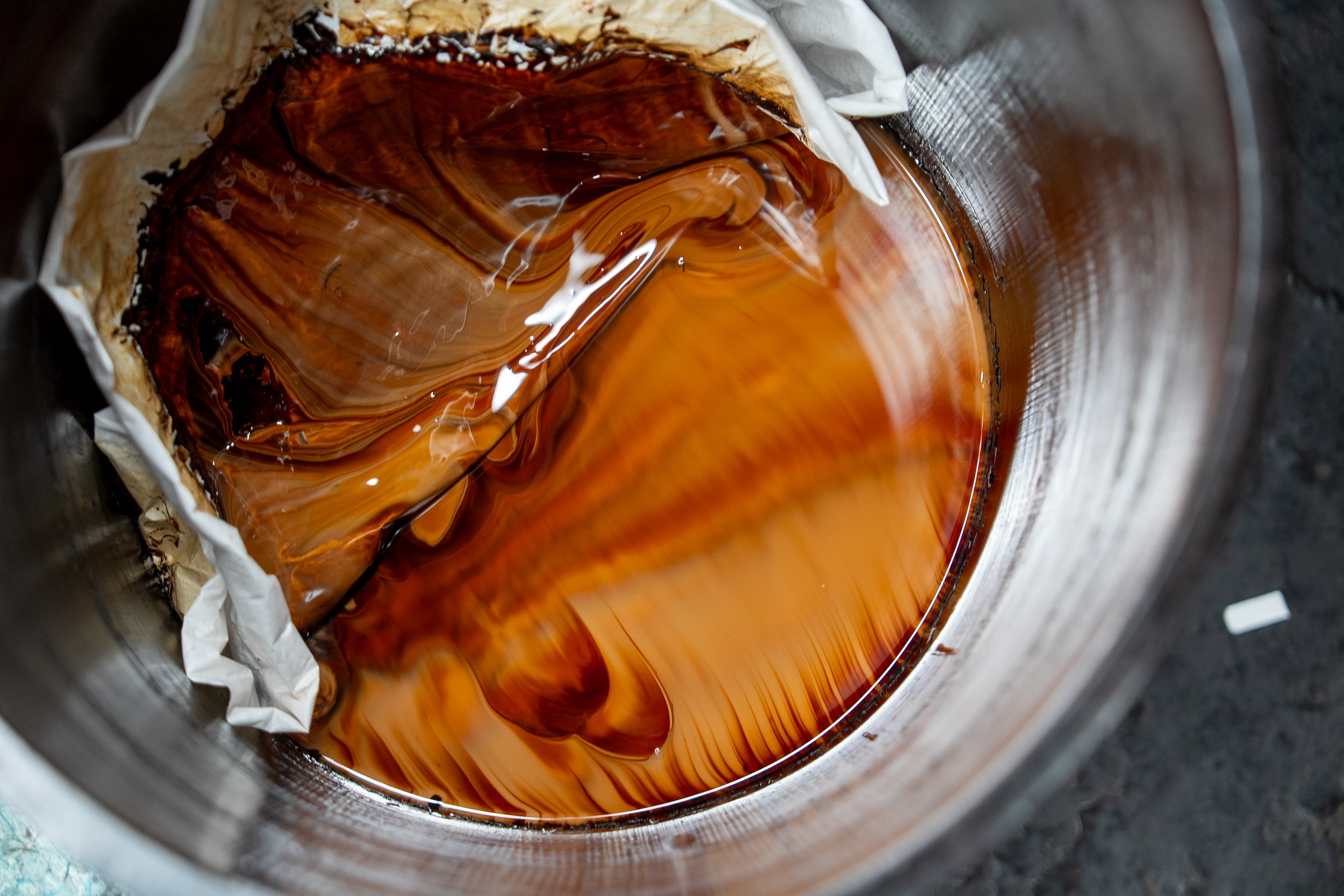
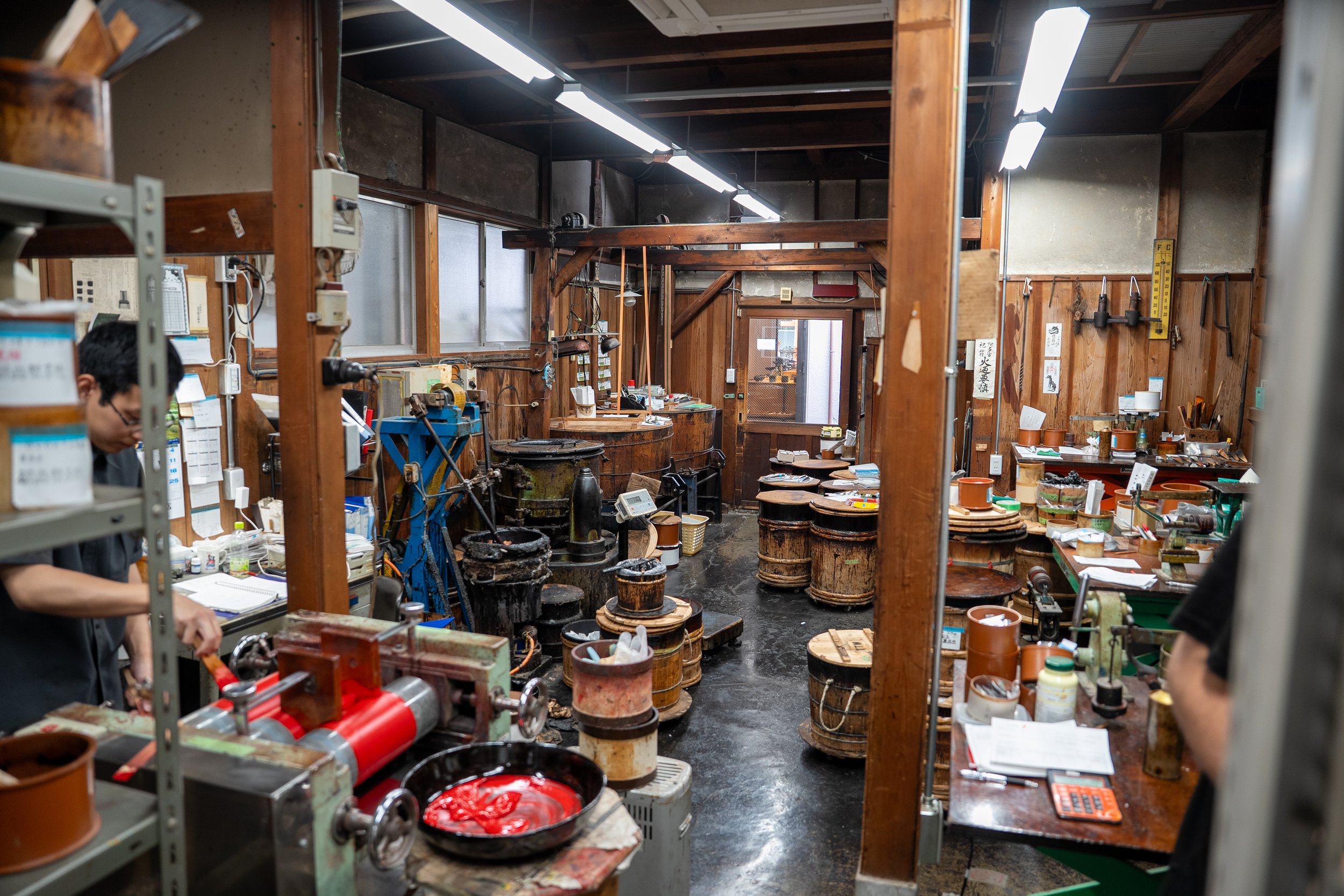
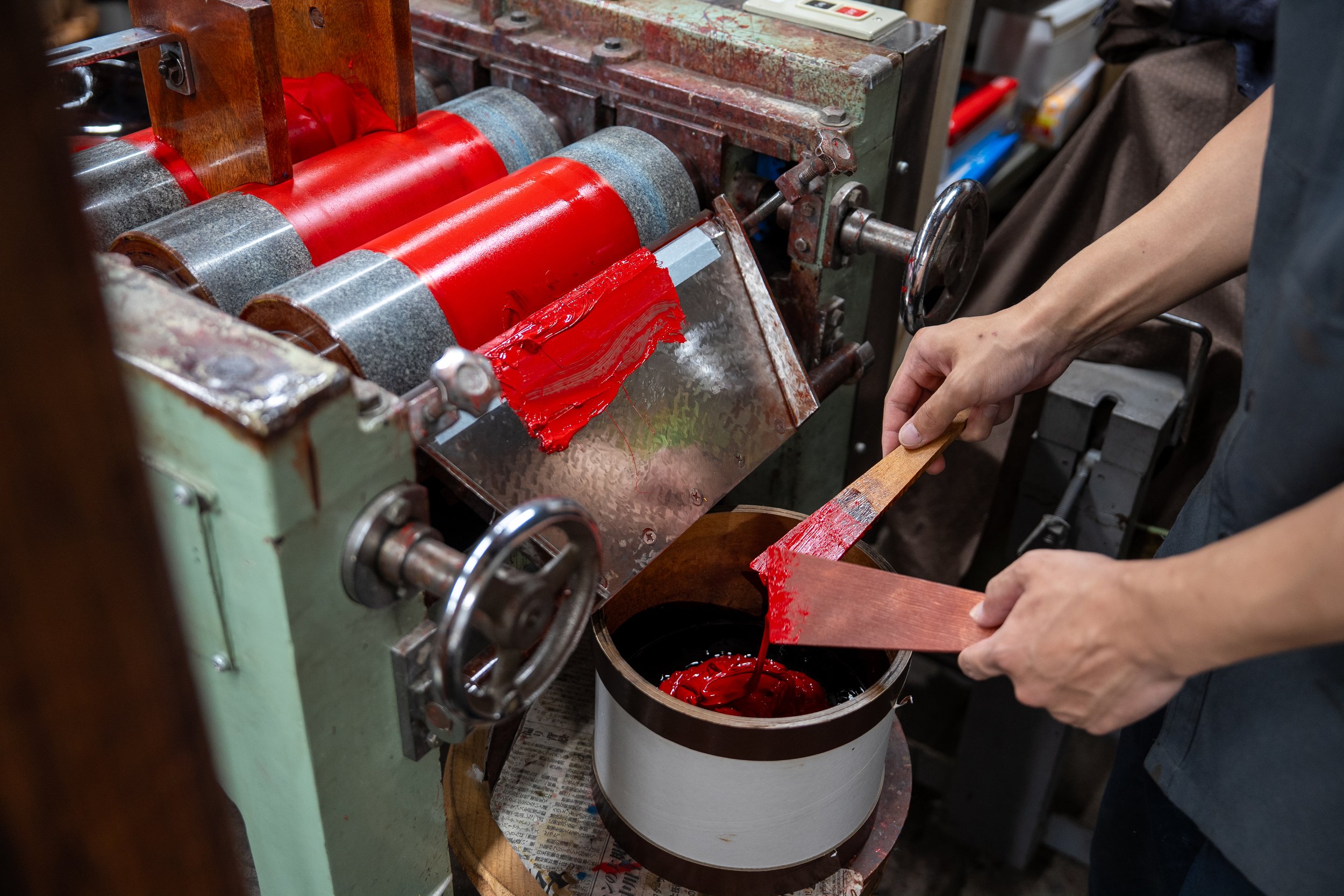
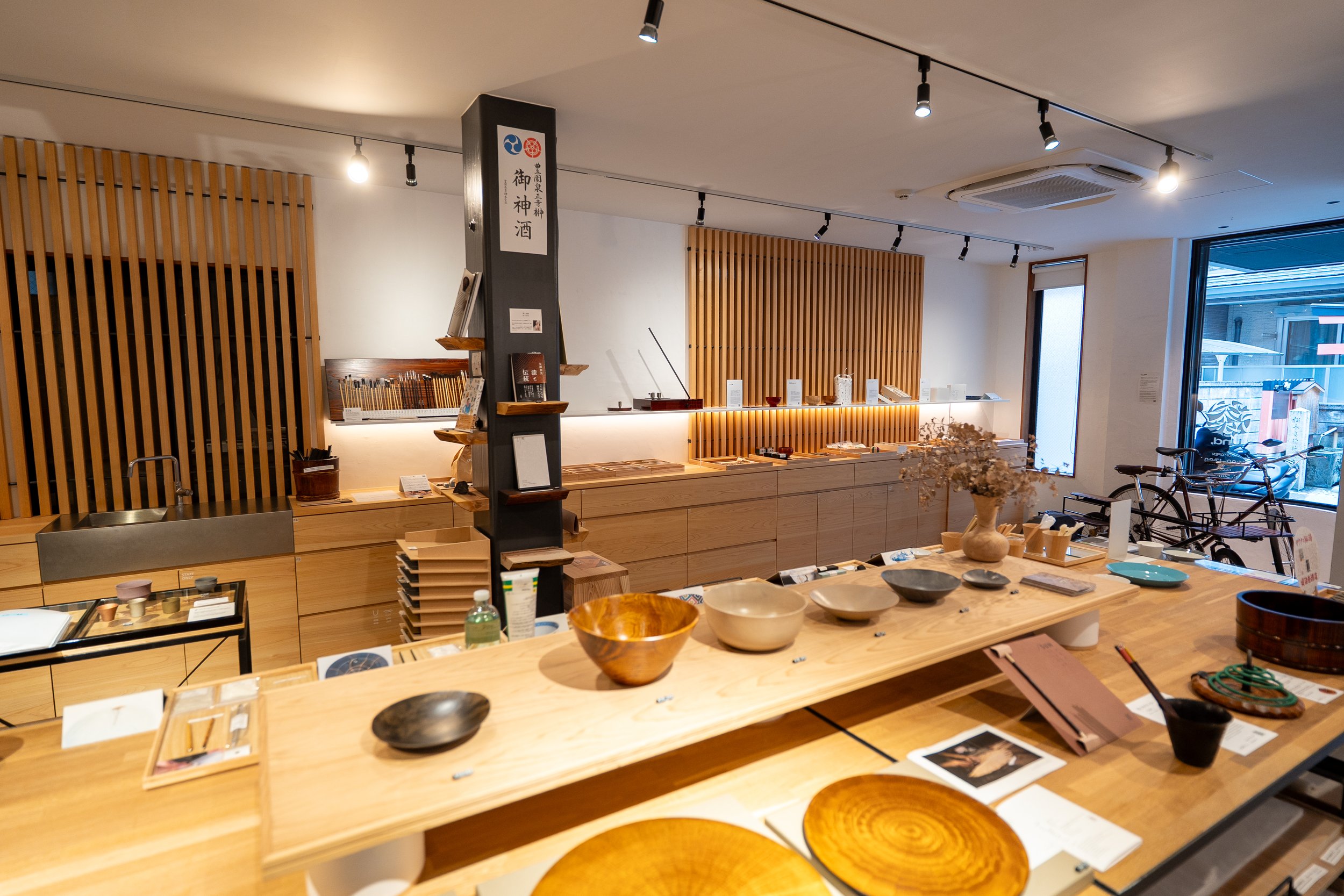
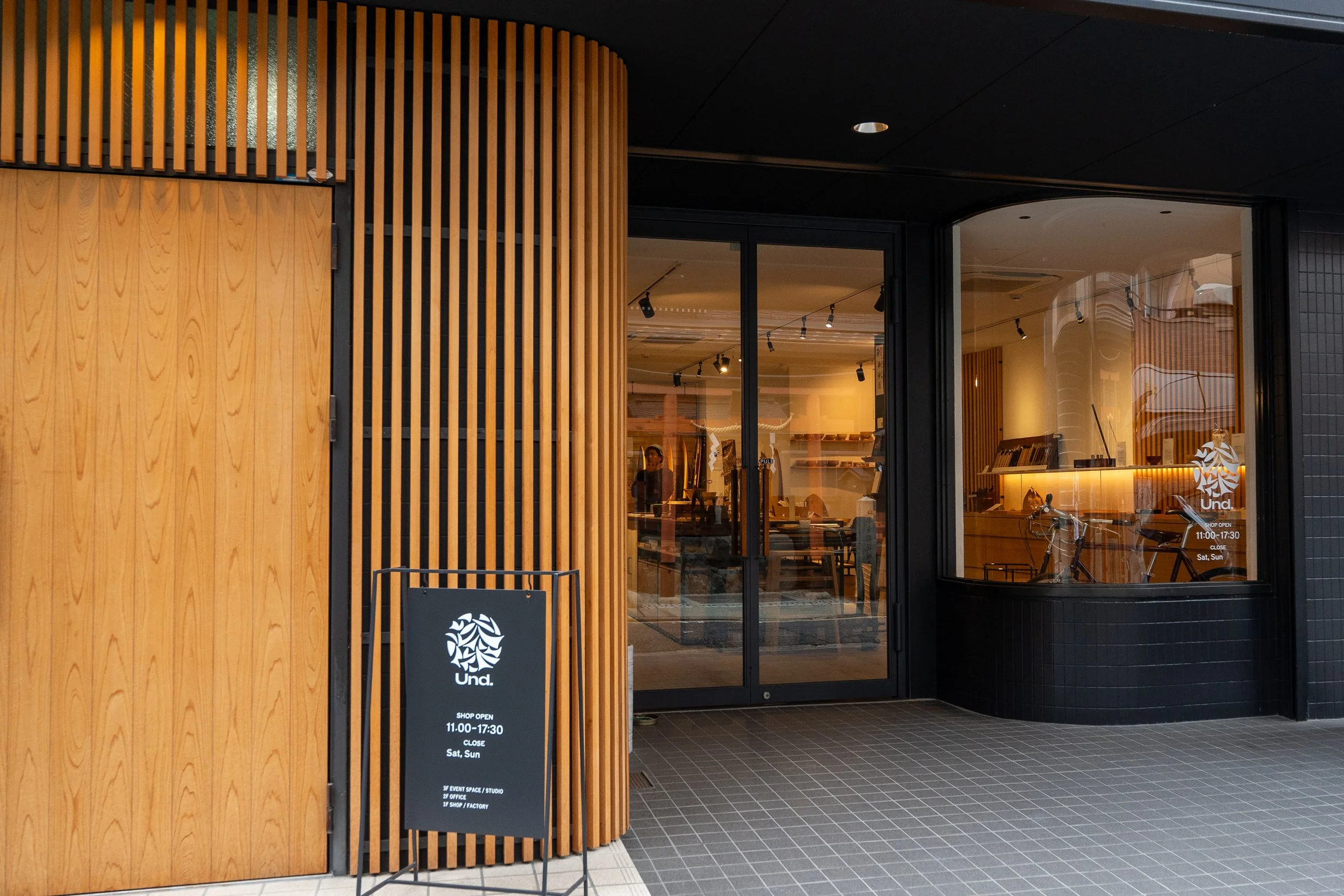
Urushi (漆), or lacquer, is an ancient process of varnishing objects that the Japanese have perfected into a continuously evolving art. Out of resin tapped from the Urushi tree, decorative lacquerware that is natural, resistant and sustainable can be made through rigorous refining techniques. For many centuries, lacquer was associated with bowls, boxes and furniture. Today, even surf boards and bicycles can be made with lacquer, not to mention sculpture, jewellery and artworks. At Tsutsumi Asakichi (堤浅吉), a lacquer shop founded in 1909, artisans are committed to developing new products while preserving tradition. You can book a workshop with a factory tour to learn about this Japanese way of life.
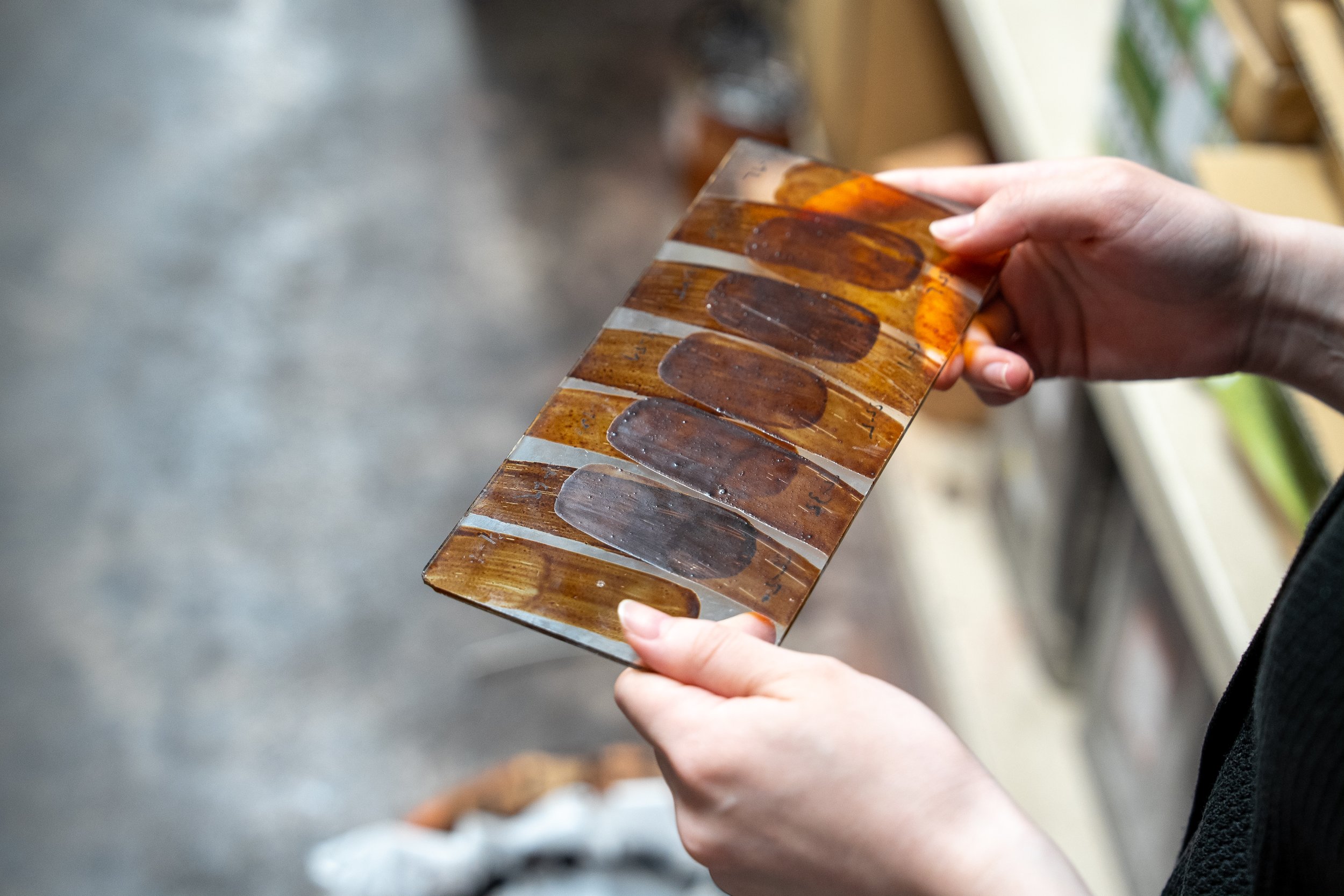
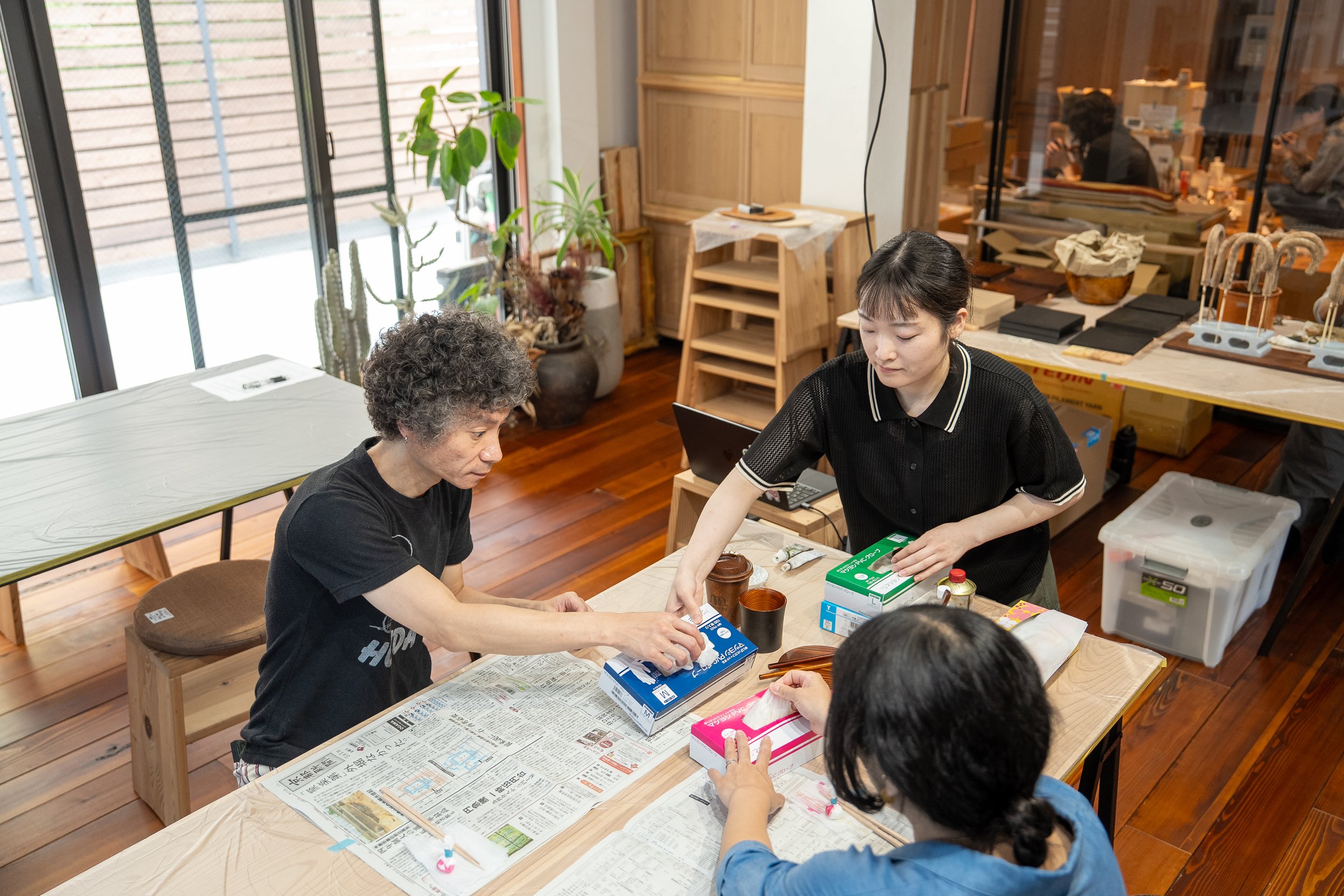
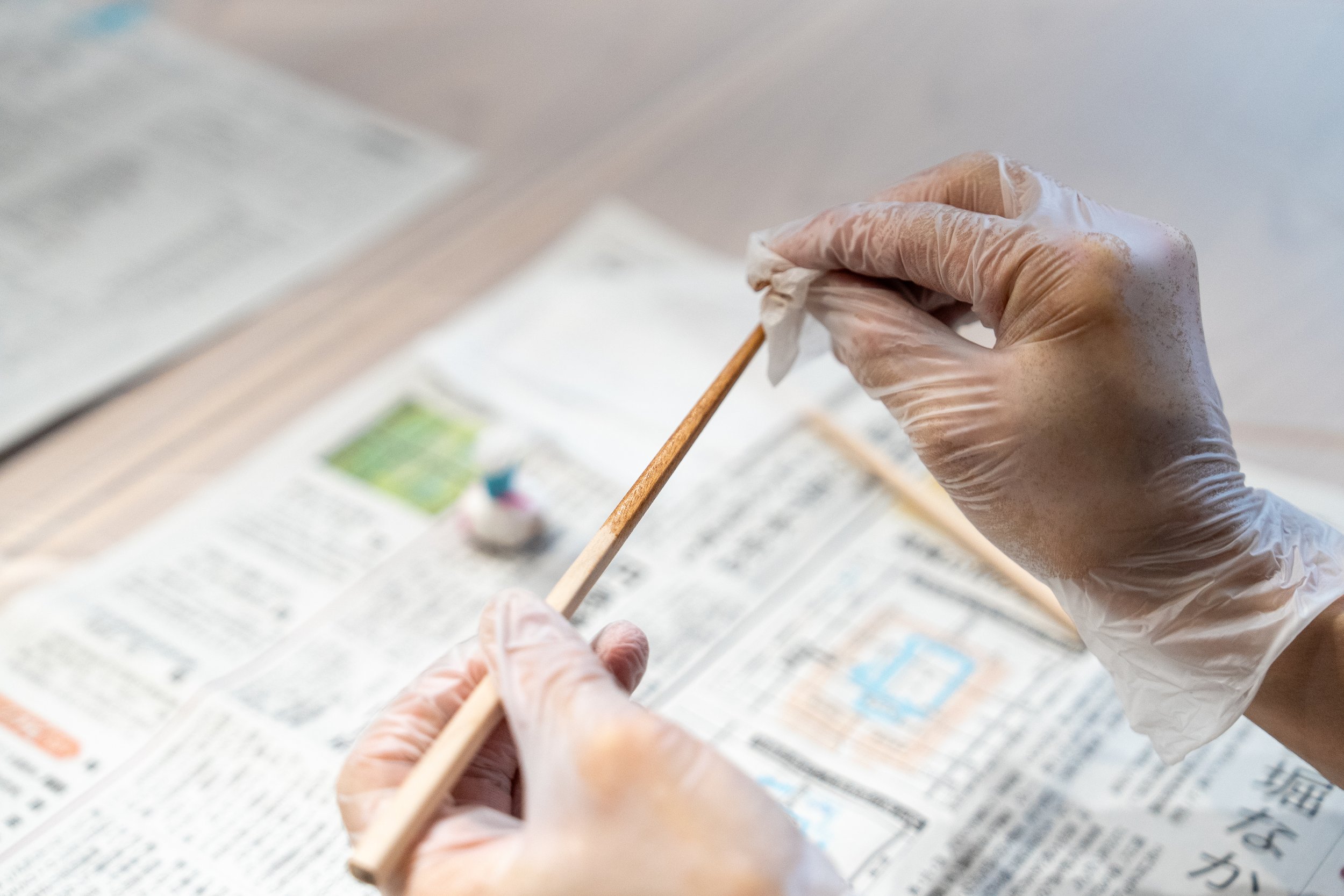
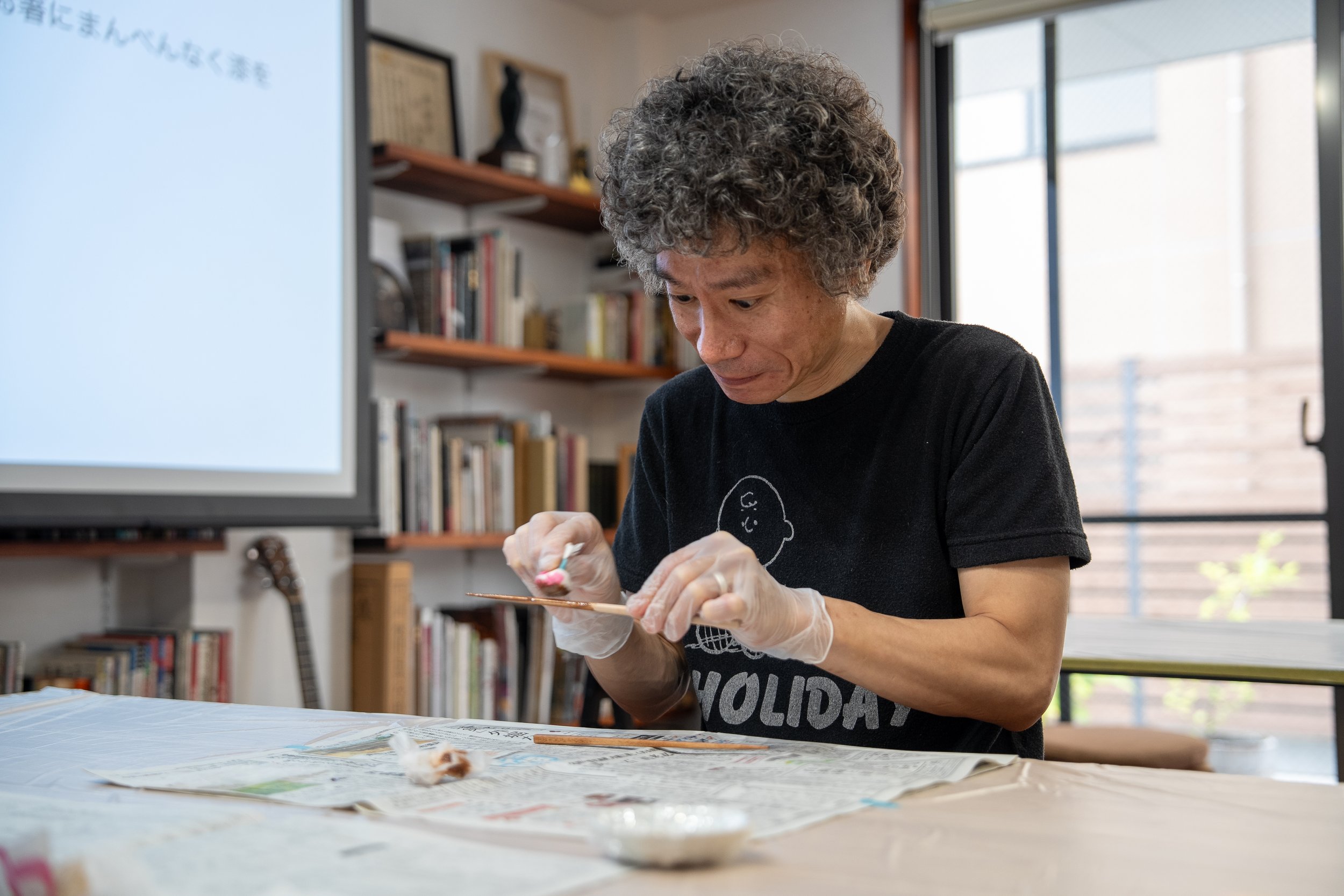
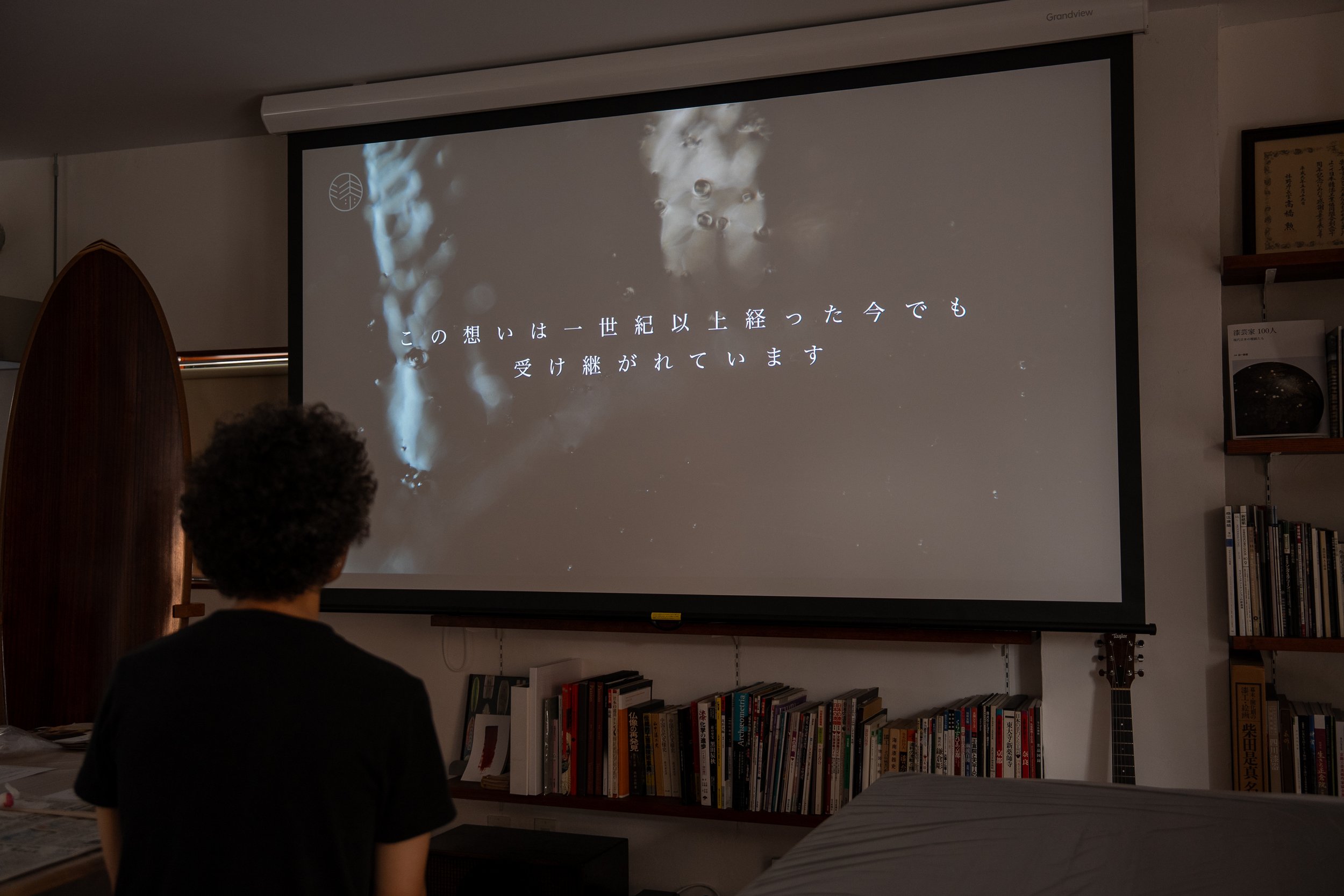
Our team visited the shop and factory, attended a lecture with a video presentation, and experienced Fuki-Urushi by wiping Urushi onto chopsticks. The chopsticks had then to be sealed inside a plastic bag for one week, so that the lacquer could be properly cured. Lacquer refining is all about controlling temperature and humidity to achieve the desired purity, gloss, transparency, viscosity and color.
If you would like a travel experience that nourishes the soul as much as it delights the senses, try your hand at our recommended activities and step into a living, breathing tradition. They are all acts of intention and gateways to mindfulness.
