
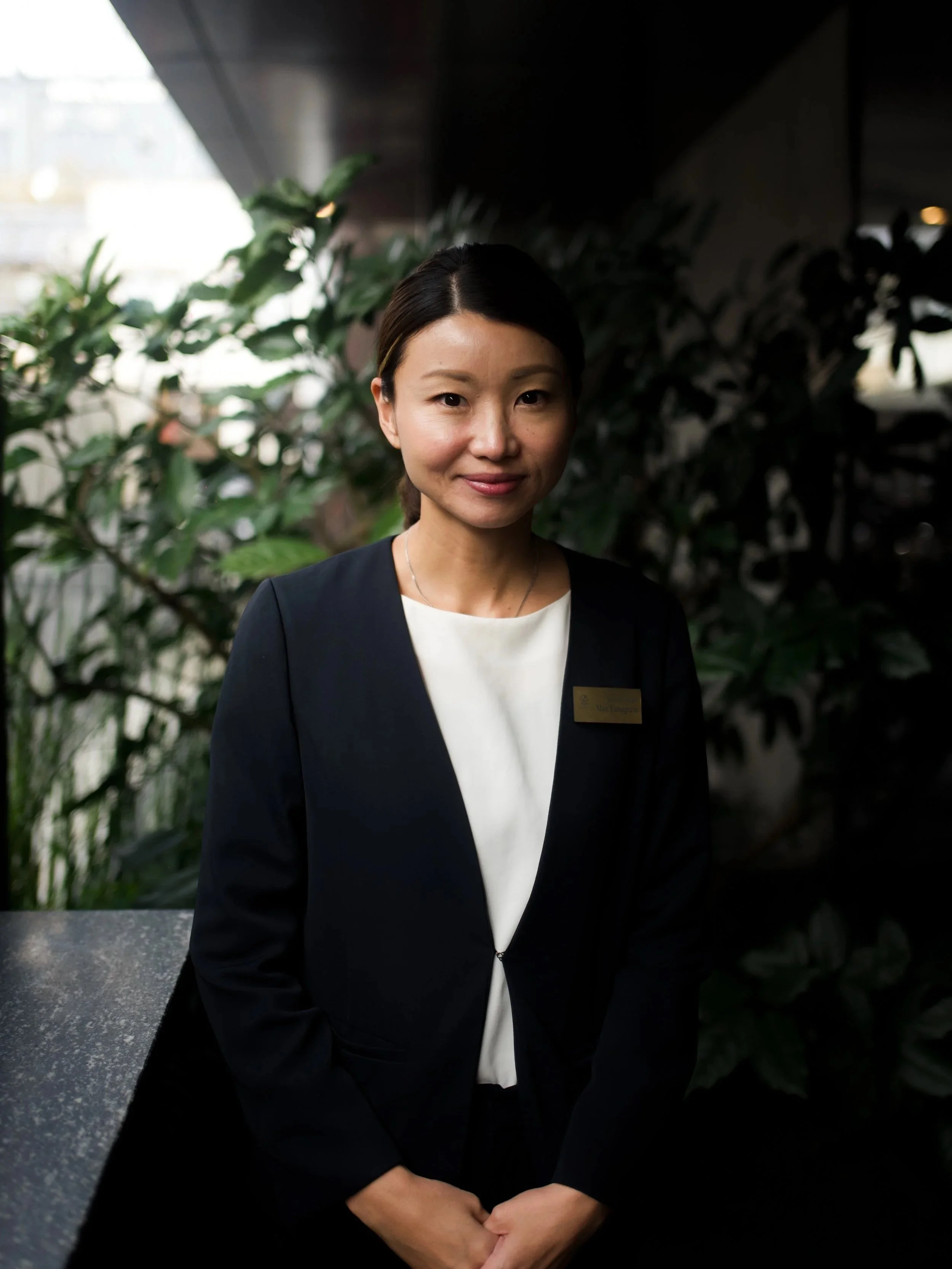
A Path Less Travelled - the story of GM Mao Yamaguchi
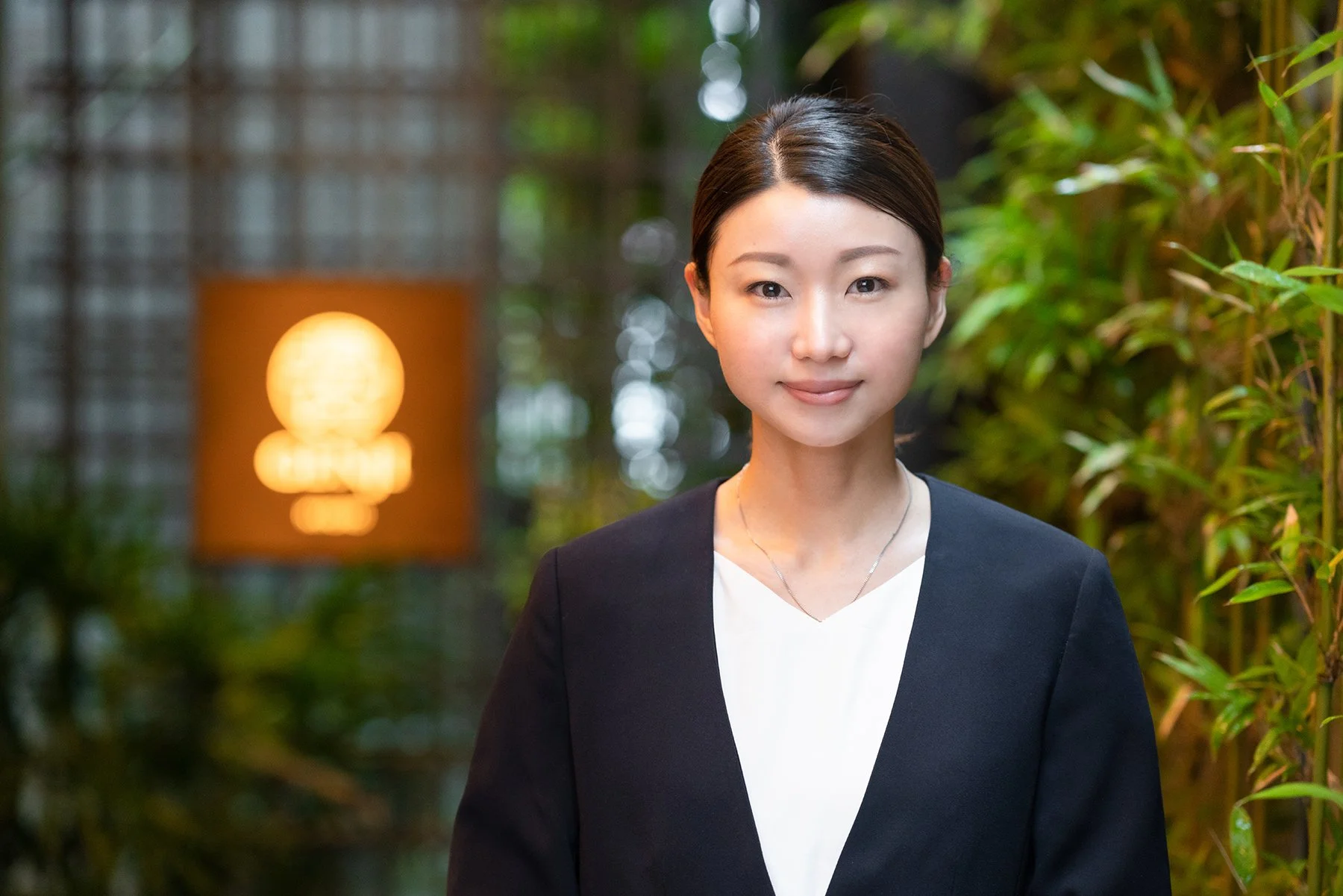
Arashiyama to London. Hotel receptionist to cruise ship hostess (surviving the Costa Concordia disaster). Tour organiser, Ethiopia, to rooms division manager, Kanra Kyoto.
Mao Yamaguchi's journey to becoming Genji Kyoto's General Manager is definitely a path less travelled. And so is the unique DNA that she cultivated, which led to the hotel receiving a Michelin key 2 years in a row.
She leads with the philosophy "if the staff aren't enjoying themselves, they can't bring joy to guests." Hospitality is a people business, and increasingly so in a world taken over by digital everything and QR codes. For both staff and guests, Mao wants to create spaces, experiences, and opportunities only to be found at Genji Kyoto.
“If the staff aren’t enjoying themselves, they can’t bring joy to guests.”
How did it all begin?
It started with a bus encounter, when Mao saw a high school student just like herself giving directions to a foreigner in English with no hesitation. "I thought to myself, had I been asked, how would I have answered? I was shocked to realize that athough I was studying English, the words would not have come to me. That was the moment I decided I would learn English until I was fluent. There are so many foreigners in Kyoto. I wanted to be able to have a conversation with anyone."
Thanks to her parents, who felt exposure could broaden horizons, Mao pursued her studies at Coventry University and, after graduation, joined the 5-star Langham Hotel in London as a receptionist. "I liked the ever-changing nature of the job - meeting new guests, working with people from all over the world, the daily challenges."
Two years later, taking her adventure further afield, she joined Costa Cruises as a Japanese hostess. "I lived on board for 8 months as part of the Japanese entertainment staff." Then the infamous disaster with 32 fatalities happened. On July 13, 2012, the Costa Concordia grounded near Italy due to reckless navigation, and some 5,000 passengers and crew, Mao amongst them, had to be rescued in dramatic evacuation scenes.
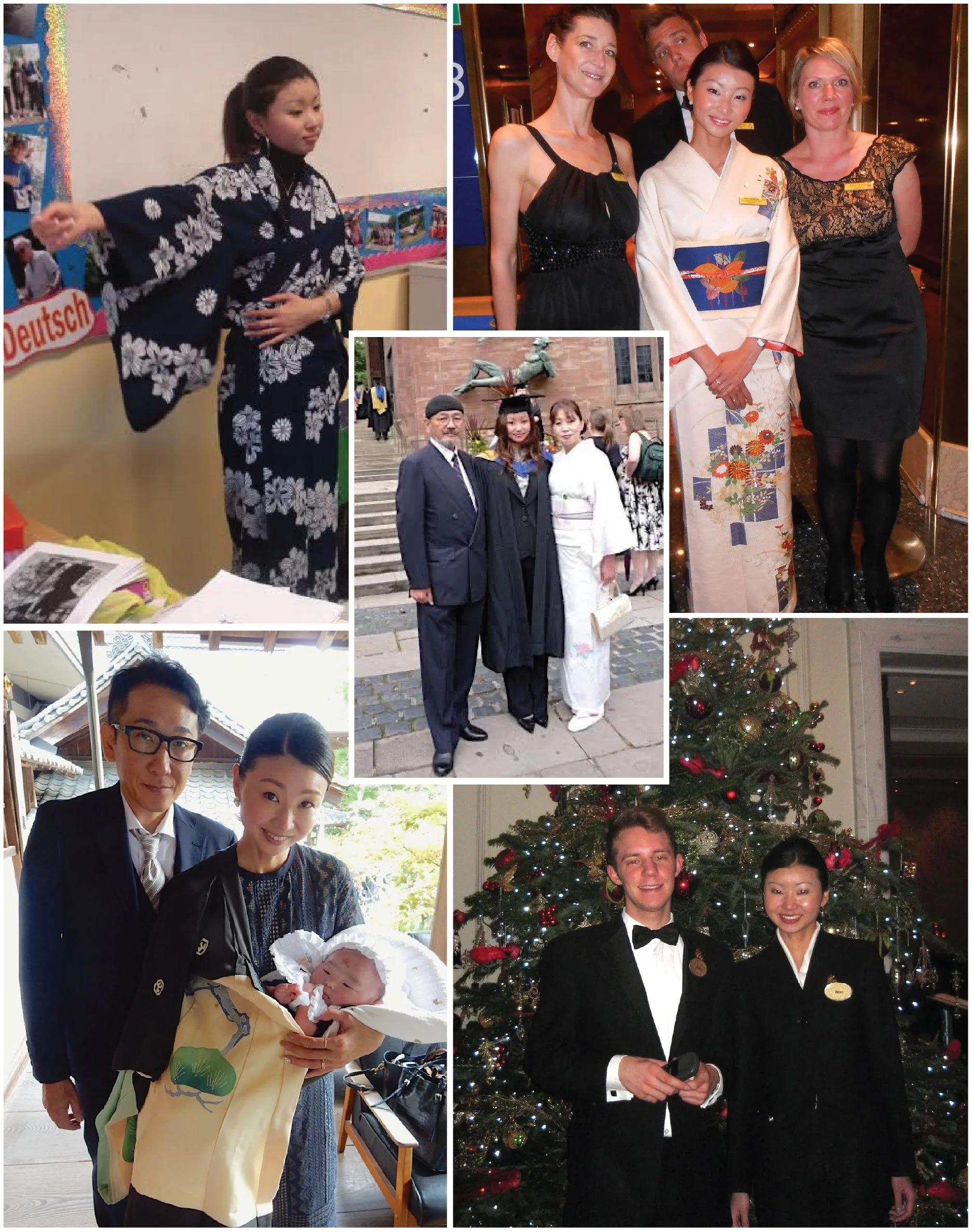
Snapshots of experiences - graduating university, teaching Japanese culture in elementary school, working at Langham London, working at Costa Cruises, becoming a mother.
Despite the horrific incident, Mao worked on one more cruise before joining a travel agency in Ethiopia for the next 3 years. As an operations manager, she not only arranged tours but accompanied Japanese officials and journalists on work trips all over the country.
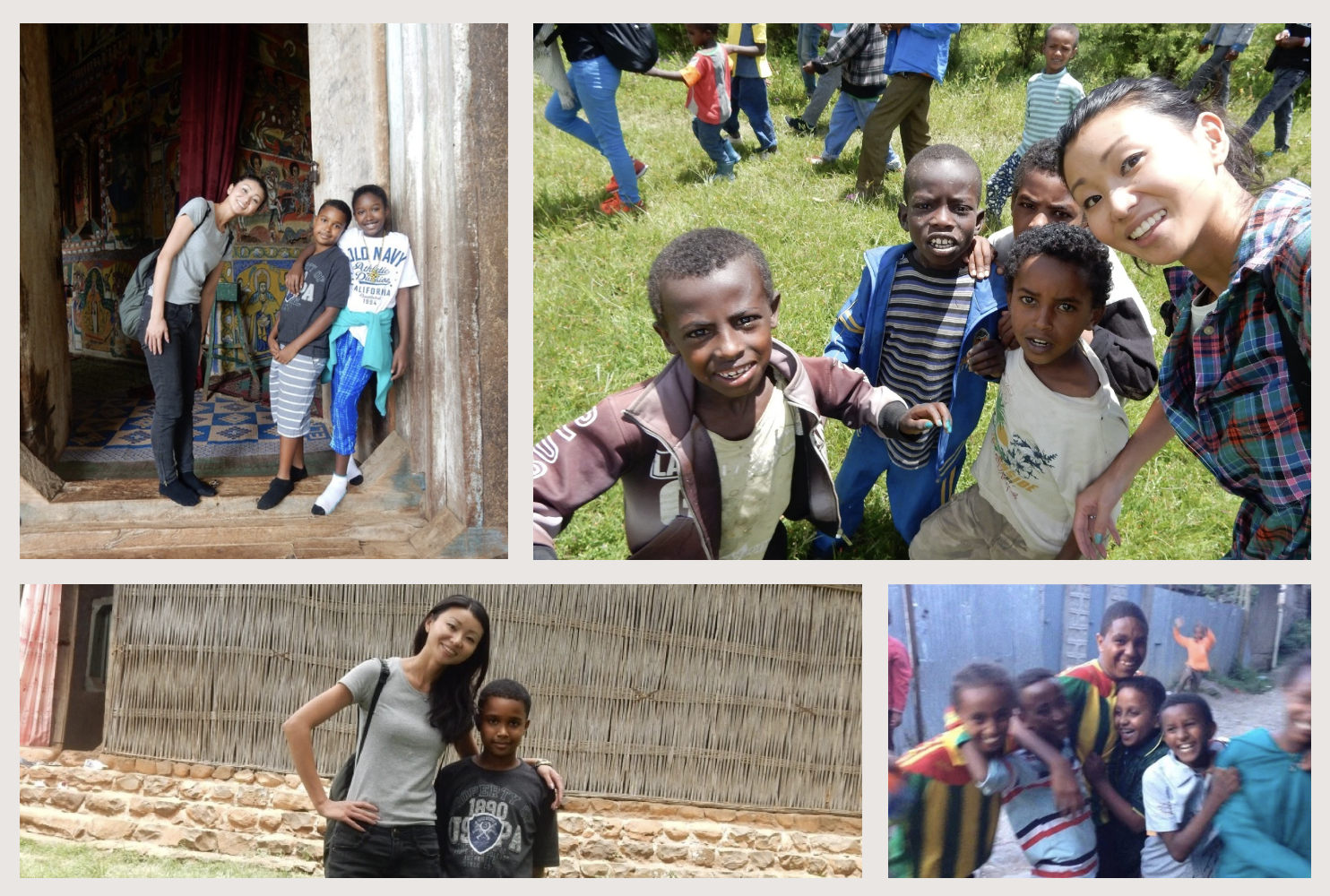
Mao had a rich experience with the people and culture while working in Ethiopia.
"I saw and experienced so many truly interesting things. Neighbors would invite me to lunch or coffee ceremonies.
"During holidays, I'd see men from my apartment complex butcher cows or sheep in the back, then share the meat with everyone. People riding motorcycles with sheep slung over their shoulders was a common sight.
"Once, accompanying a magazine team to the Danakil Depression, we camped in sleeping bags along the way. Sleeping under the stars in the middle of nowhere was indescribably beautiful. That experience made me realize how fortunate I was to be able to see such a world, and also that the world I had seen was just a tiny fragment of it all.
"The people and children I met in Ethiopia, with their sparkling eyes, remain strong memories for me."
"But back then, infrastructure like electricity and water was still unstable, and while I felt the adrenaline rush and wanted to push myself further, there were many times when things didn't go as planned."
Opportunity beckoned back home, and Mao got a junior level job at Hotel Kanra Kyoto. Four years later, in 2020, she was appointed Rooms Division Manager.
"It was a hotel with a wonderful Japanese atmosphere and a concept of ‘everyone is a concierge.' Then General Manager Daisuke Tomooka's approach of taking the time to understand and build relationships with staff greatly inspired me. I am very thankful for his mentorship."
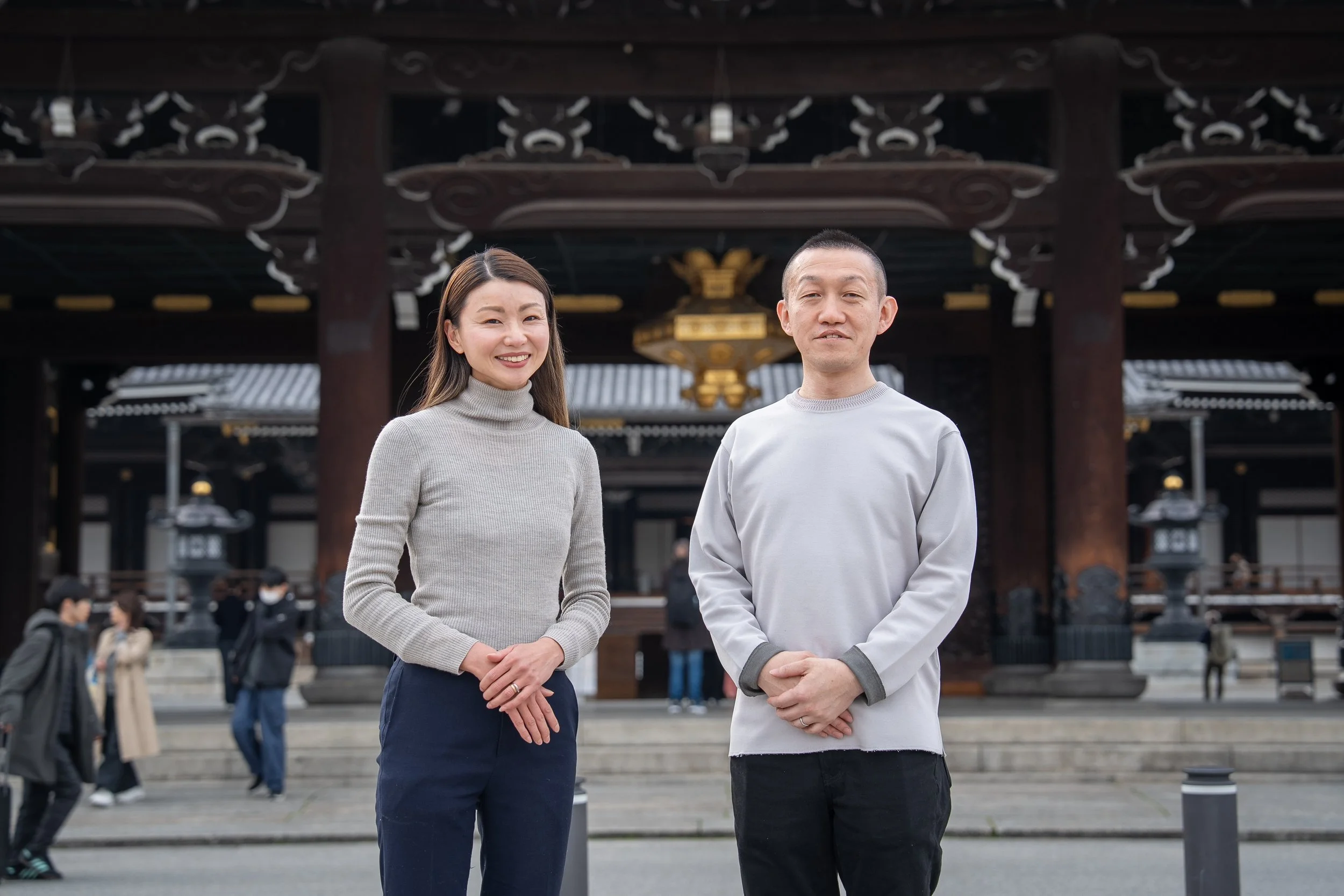
Mao with respected mentor Daisuke Tomooka, the former general manager of Hotel Kanra Kyoto
In January 2022, while the Covid pandemic was still raging beyond anyone's expectations, Mao became Genji Kyoto's GM, joining a very small minority in Japan's male-dominated hospitality industry. The hotel opened 3 months later, and it took another 6 months before Japan re-opened its borders to inbound guests.
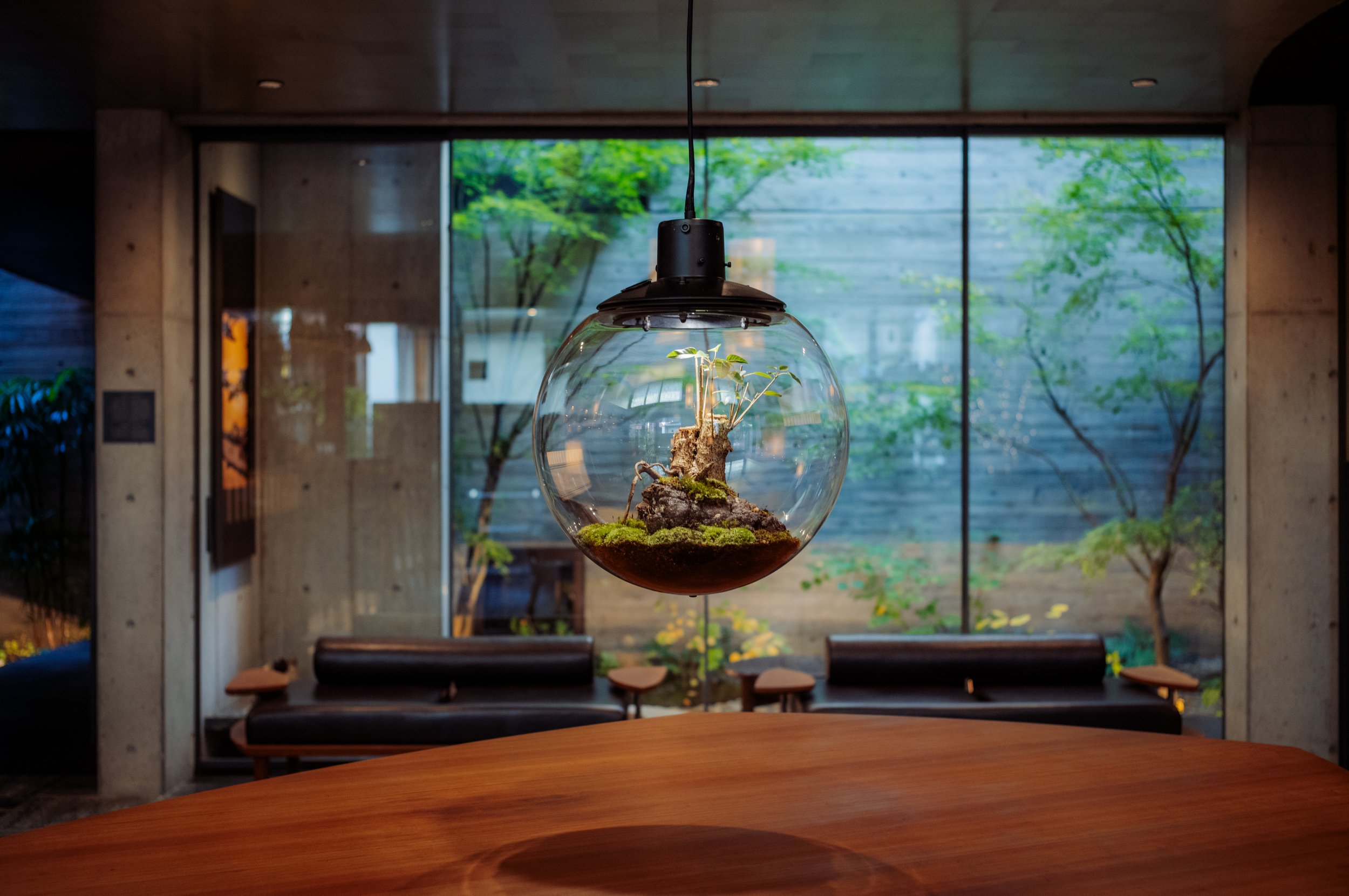
Terrarium "bonsai lamp" against Zen garden in the lobby
With its river views, rooftop garden, and elements inspired by the Tale of Genji, Genji Kyoto draws high marks for its design and architecture. But it is the genuine warmth of the team that keeps guests coming back. Numerous guests know and remember staff by name, and staff treat return guests as friends (sometimes even family)!
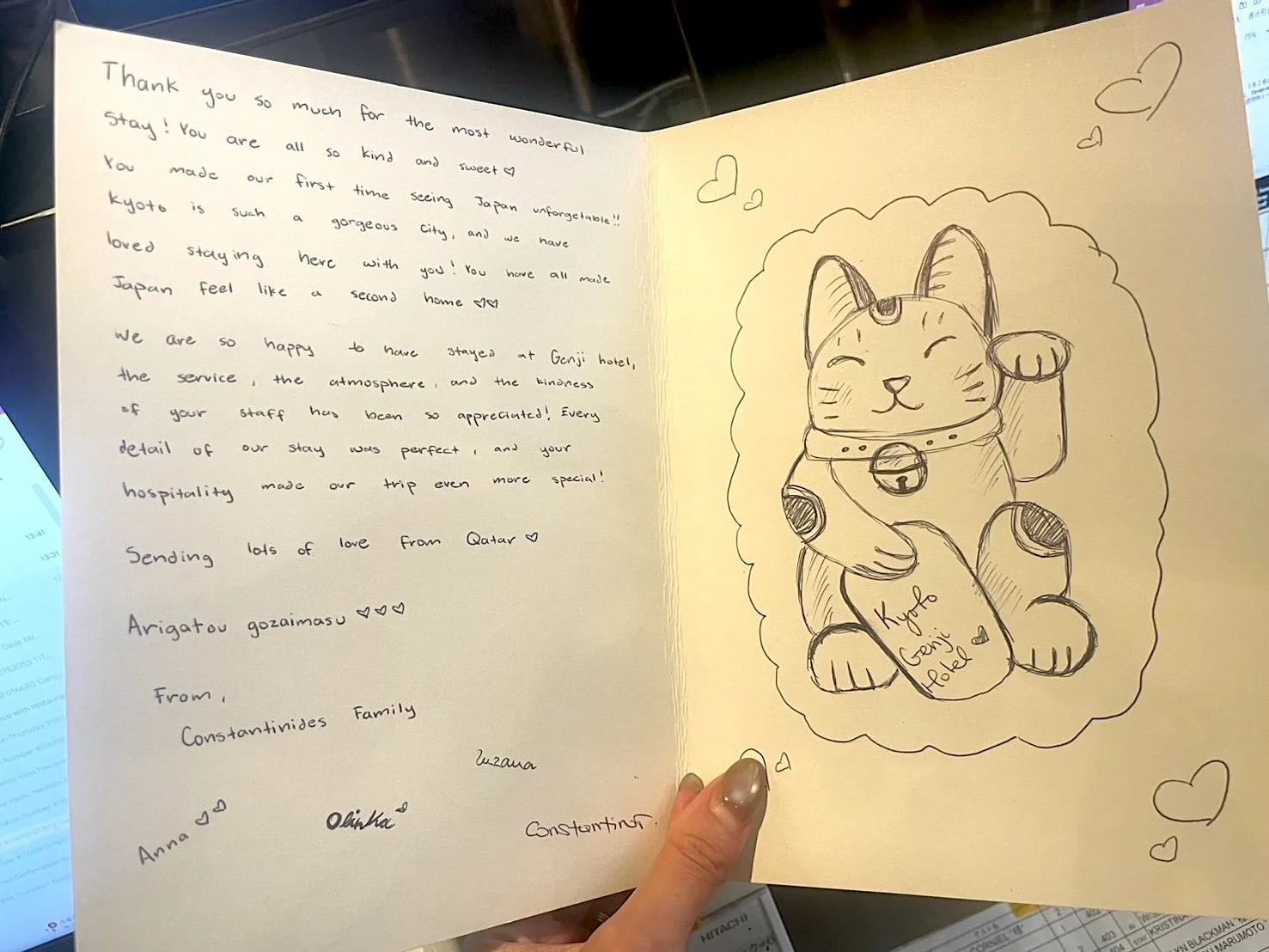
A kind and motivating letter from satisfied guests
This is possible because of the uncharacteristic "everyone does everything" culture that Mao has put in place from day one. No delineation between reservations, front desk, F&B, guest experiences and marketing. Work shared by everyone who comes to work. Unspoken understanding, rapport, camaraderie. Amongst each other and with guests. These are the ties that bind.
“While I’m making guests happy, I am also growing myself.”
The amazing thing is - Mao doesn't even have to be there! She was away for 10 months on maternity leave, and the magic held. No one panicked, nothing fell apart. The confidence and courage that she instilled in everyone crystallised in her absence. When she came back (baby in tow), it was as if she had never been away.
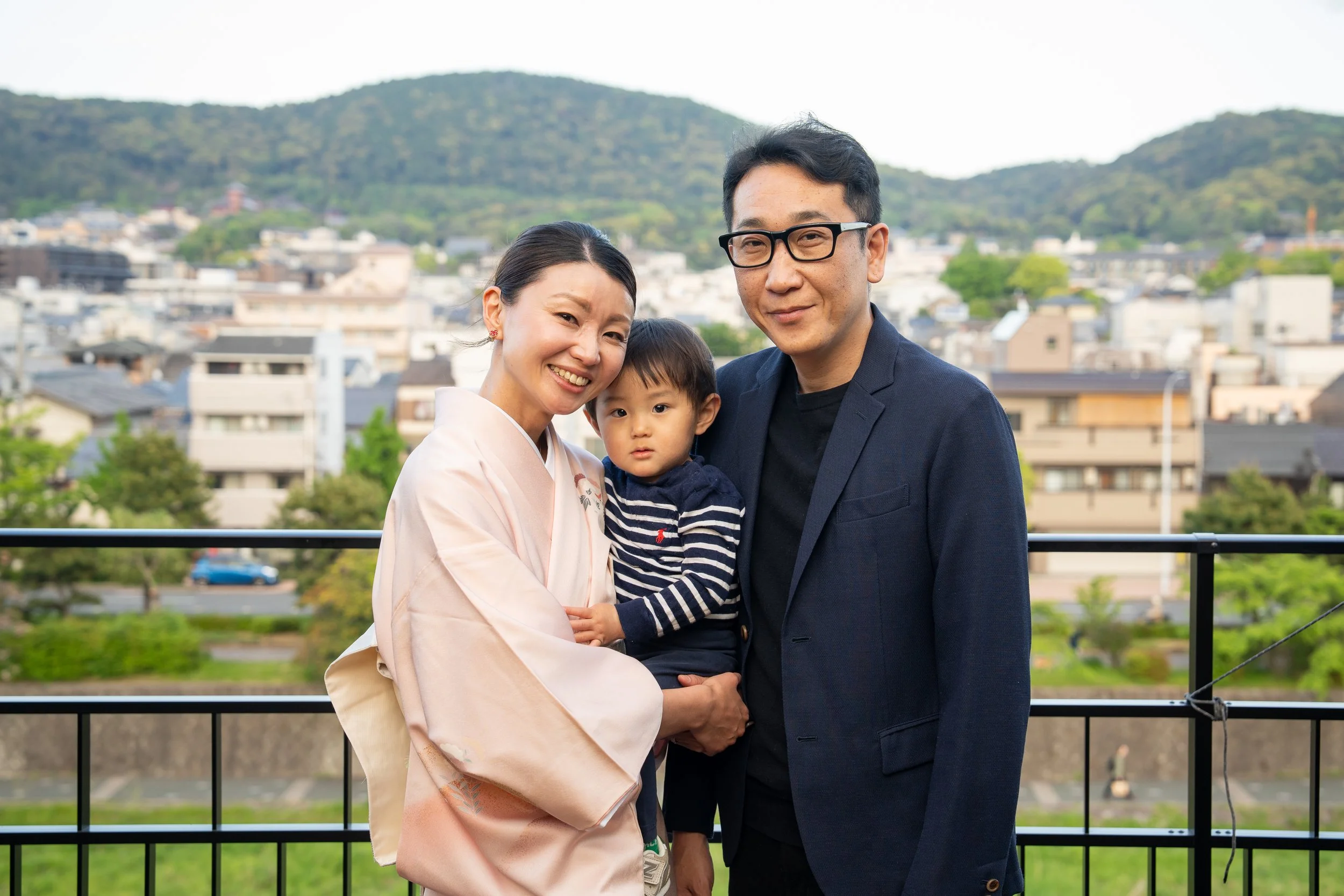
Family of 3 at Genji Kyoto's Sky Forest Garden
How did she do it? Mao explained the philosophy behind:
"The bar for Japanese "omotenashi" (hospitality) is incredibly high, and overseeing the quality of all departments comes with immense pressure.
"But precisely because I lack prior GM experience, I believe I'm approaching this challenge with a perspective closer to the front lines than anyone else. I engage directly with guests, agents, suppliers and collaborators. I value learning from everyone because people are the key.
"With my team, I make sure to communicate in a way that makes them feel, 'While I'm making guests happy, I'm also growing myself.'
"I accept that I don't know everything and can't be perfect in every way. Since I'm not afraid to ask, I've received a lot of support from veterans in the industry.
"Ken Yokoyama, the legendary GM of Hyatt Regency Kyoto for 10 years and now a founder of a hospitality academy, was very generous with his advice and guidance. He came to the hotel, we had a walk through, and he pointed out all the little things. He is a very inspiring leader.”
The hotel was also supported from its inception by the team behind Tokyo’s TWO ROOMS restaurant.
"TWO ROOMS is highly respected for their consistent quality and experience with events. They came and advised us on our kitchen set-up and created our first menu, greatly complementing my lack of F&B expertise. They also have a lot of experience with foreign and Japanese guests. I found their input extremely valuable."
For a small 19-room hotel with no pool, no spa, no facilities other than a rooftop garden and a lobby bar and restaurant, what is Mao's strategy for maintaining Michelin Key standards?
"Thanks to our designers, who created unique spaces with craftmanship and ambience that resonate with our guests, we can focus on hospitality and connecting with our guests.
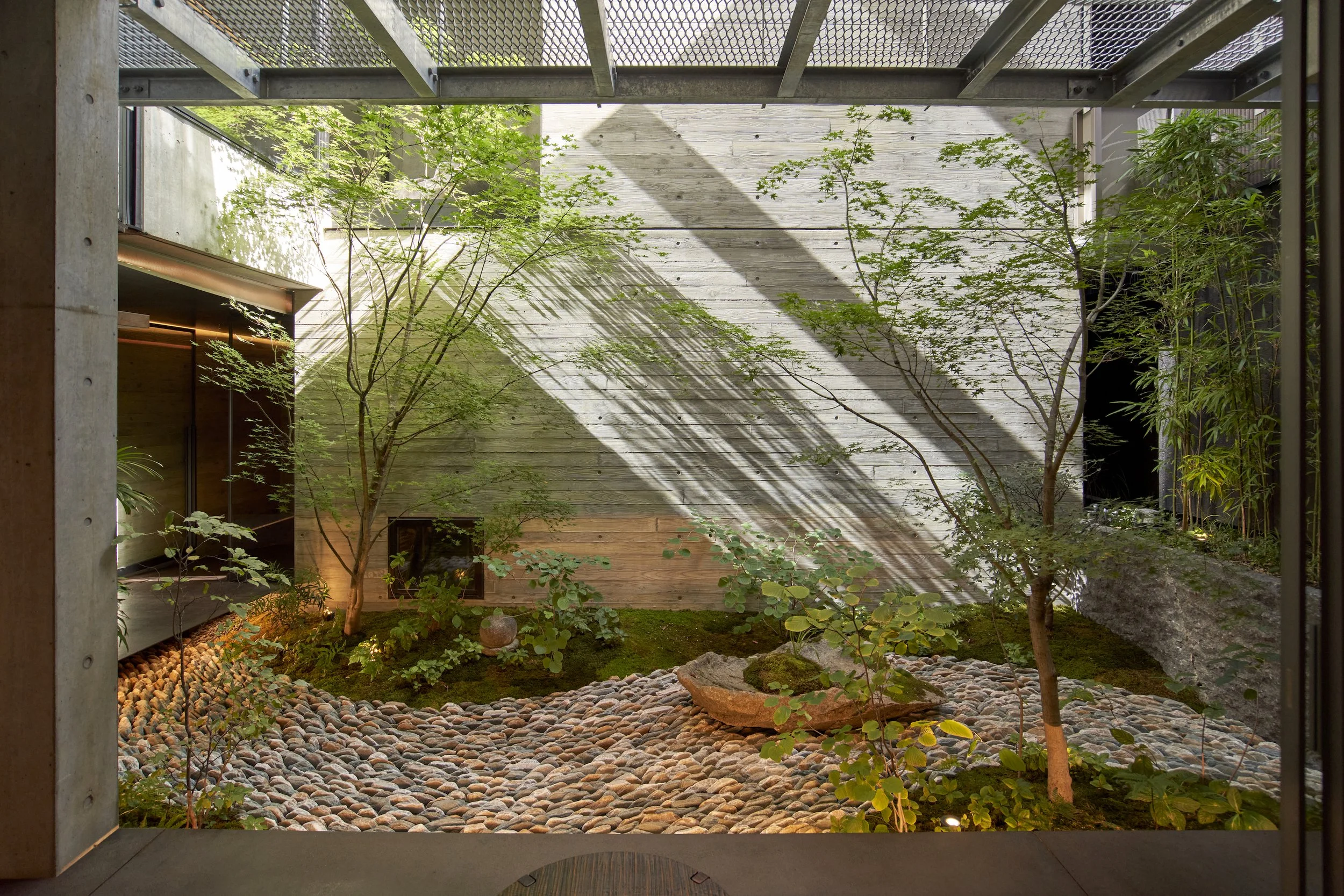
Ukifune Garden, a dry landscape garden in the lobby courtyard
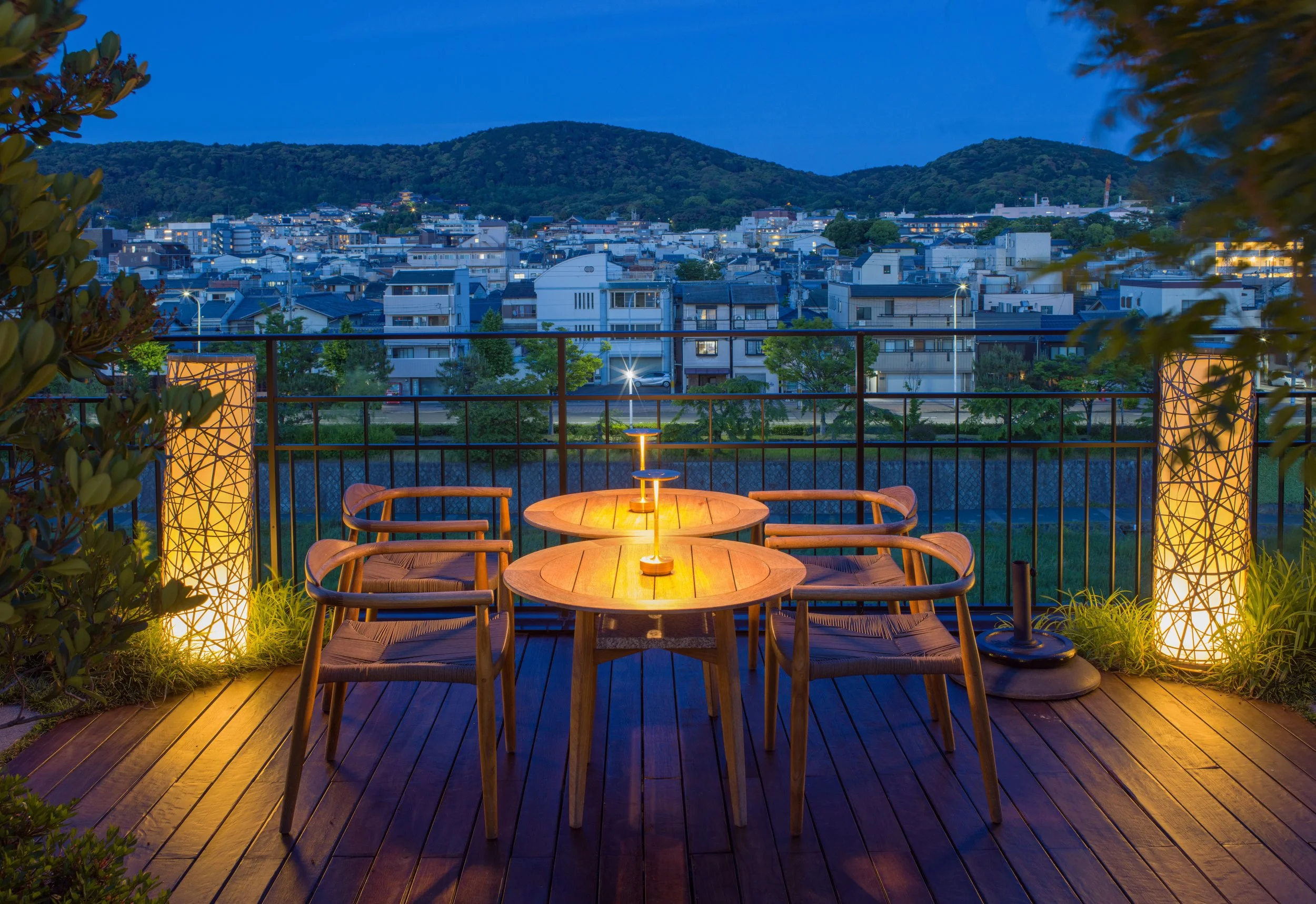
Sky Forest Garden at dusk, with panoramic views of Kamo River
"Apart from providing a service that is efficient, consistent, and from the heart, we aim to be more than a place to stay. We want our hotel to be a stage for experiencing Japanese aesthetics and local culture.
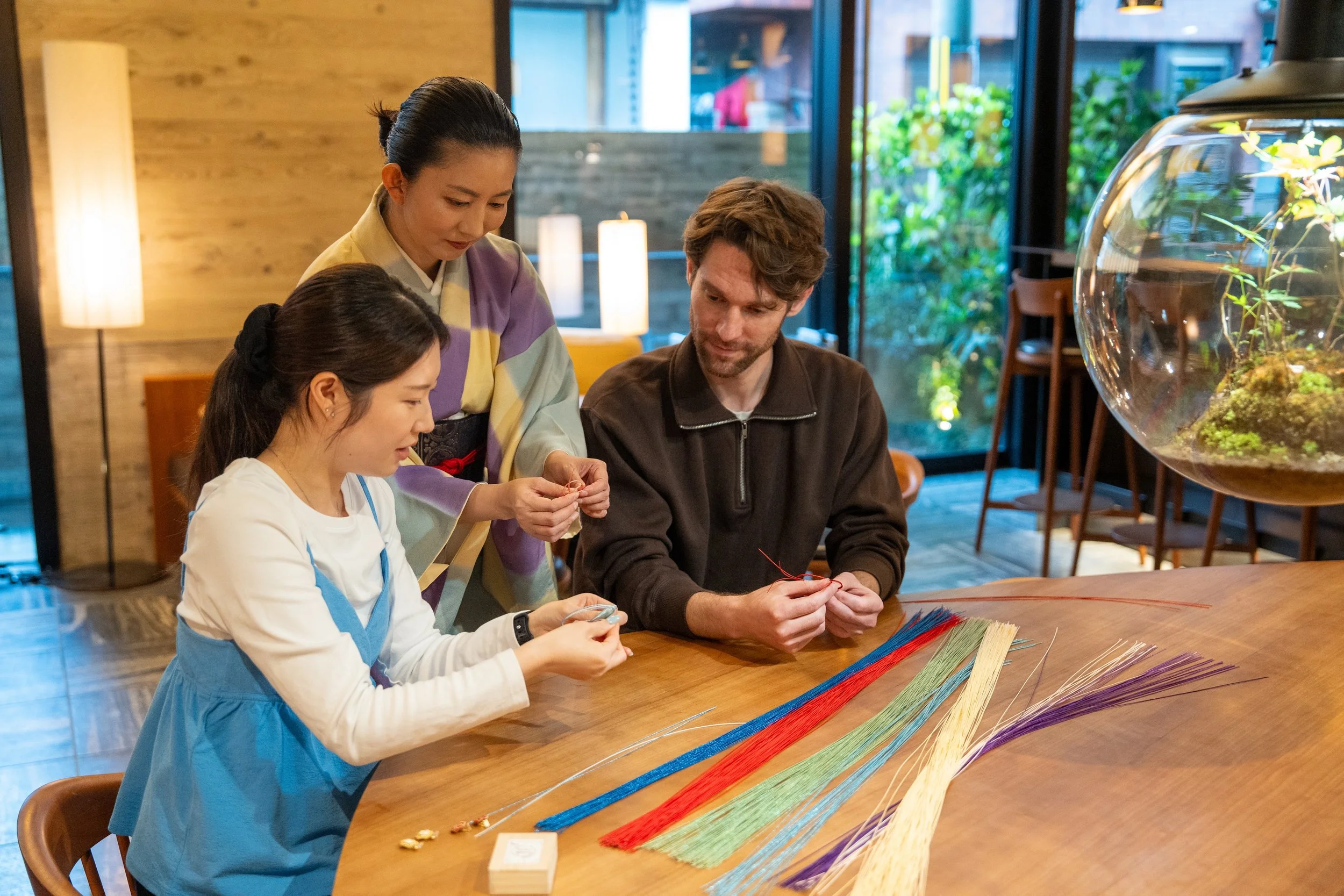
Mizuhiki activity at the hotel with artisan from Yuimaru
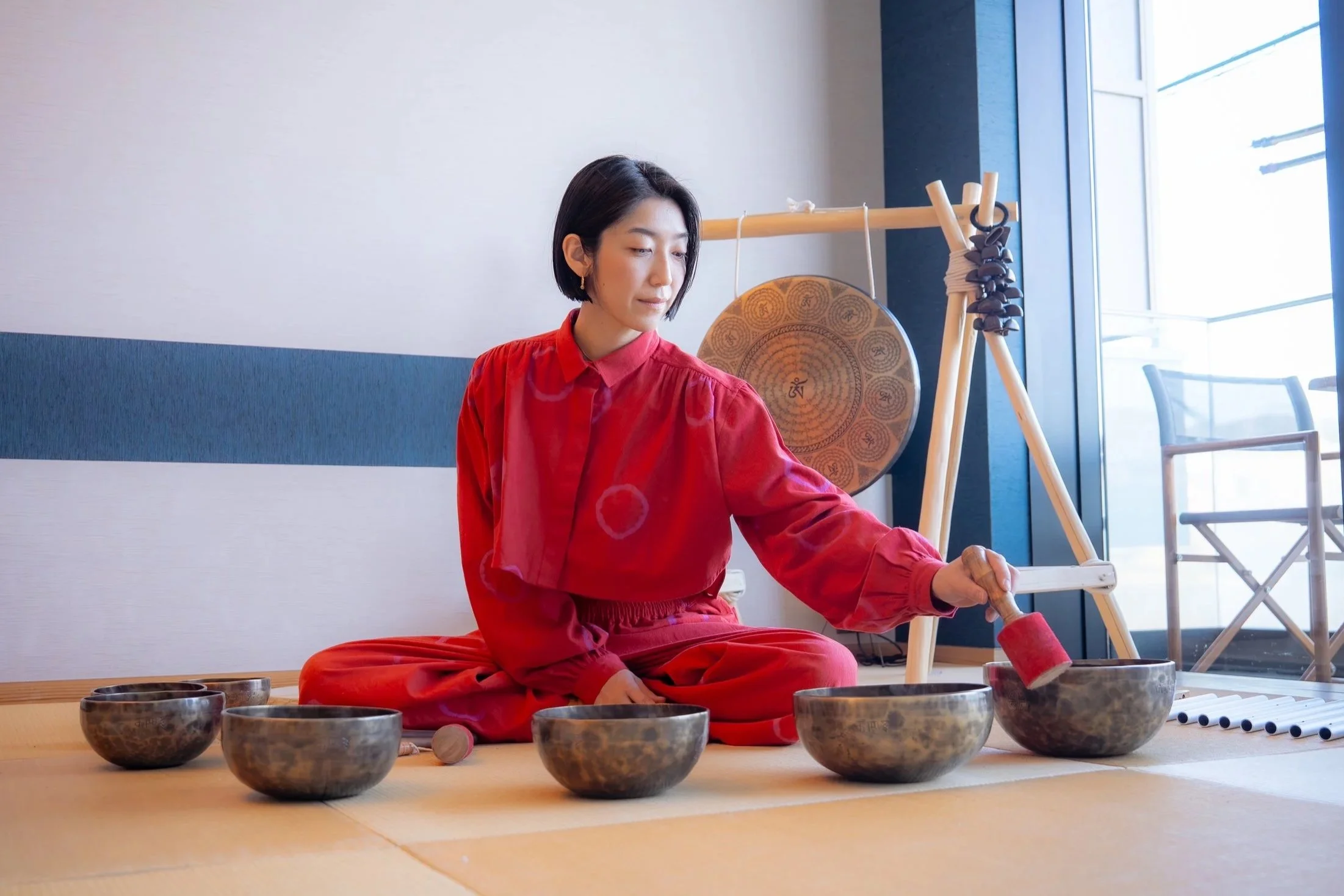
In-room sound healing session with Rie Kurokawa
"By curating activities and customising recommendations, we make opportunities for our guests to interact with local operators, whether they are cafes, restaurants, craft shops or activities providers. This enables guests to appreciate Kyoto at a deeper level, and also allows us to contribute to our neighborhood and our city.
"I believe collaboration amongst local industries is going to be the global standard for travel experiences."
With a toddler son (born August 2024), how does Mao manage the work-life balance?
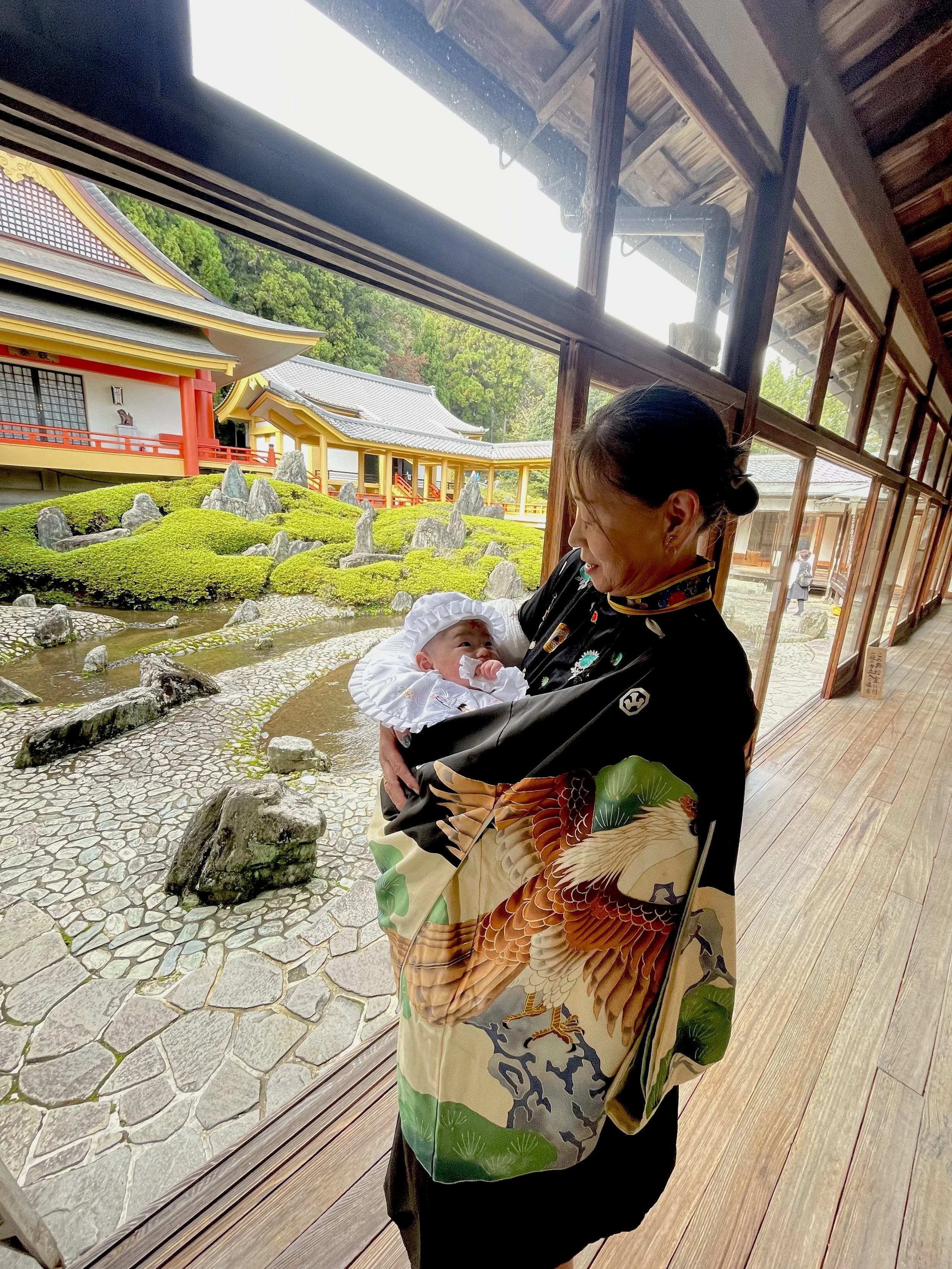
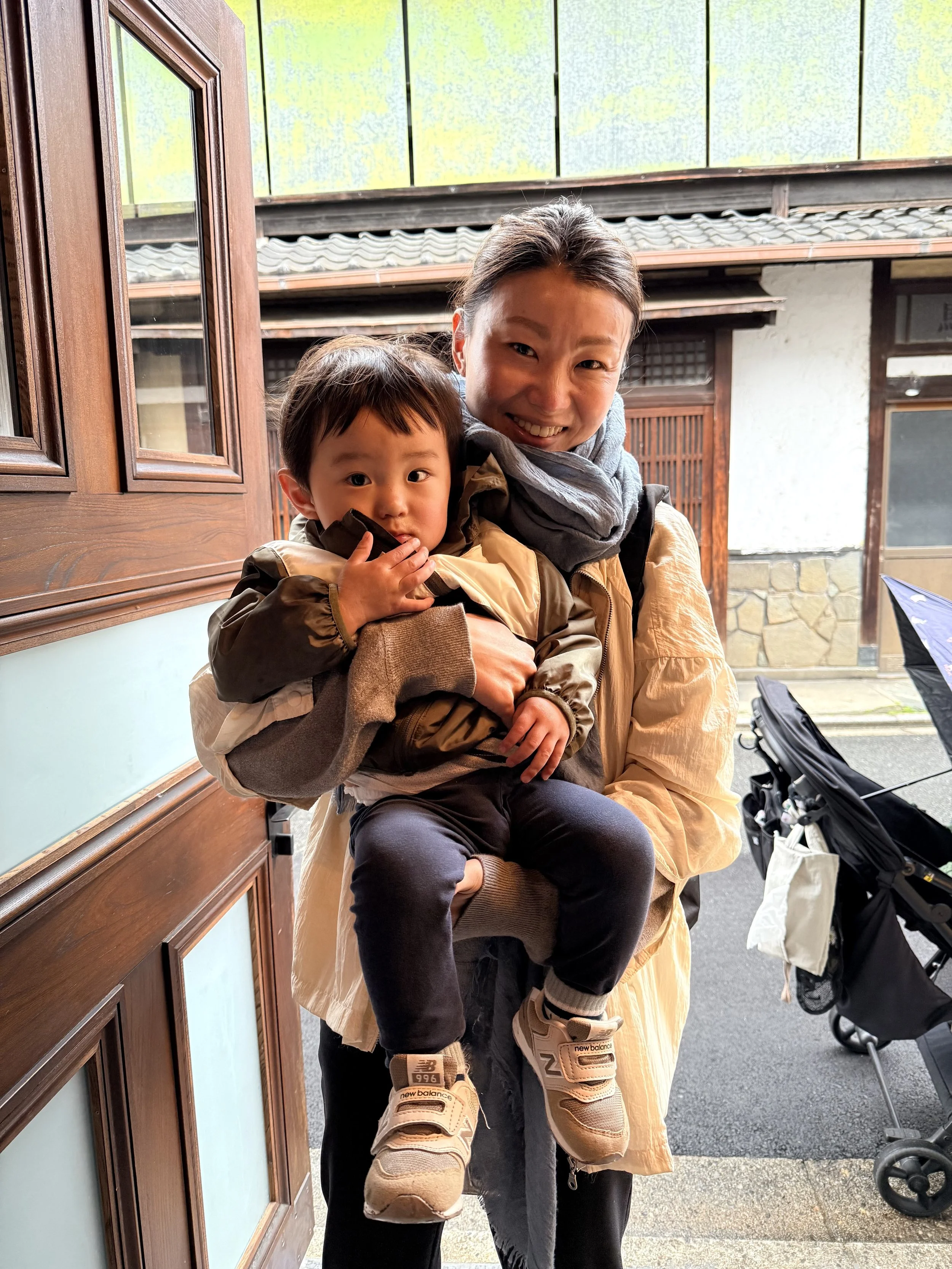
"I don't think I can manage without the support of the team, especially my colleagues who are parents themselves. They give me so much encouragement,” says Mao.
"But it is also about letting go. If I get home late, I'll order Uber Eats. Or I'll cook something real simple. Sometimes my child's dinner is just natto over rice and a banana. But we enjoy reading picture books or building Lego together.
"Right now, my mind is full with work and my child, so to make sure I have time to think about nothing, I've recently picked up tea ceremony again.
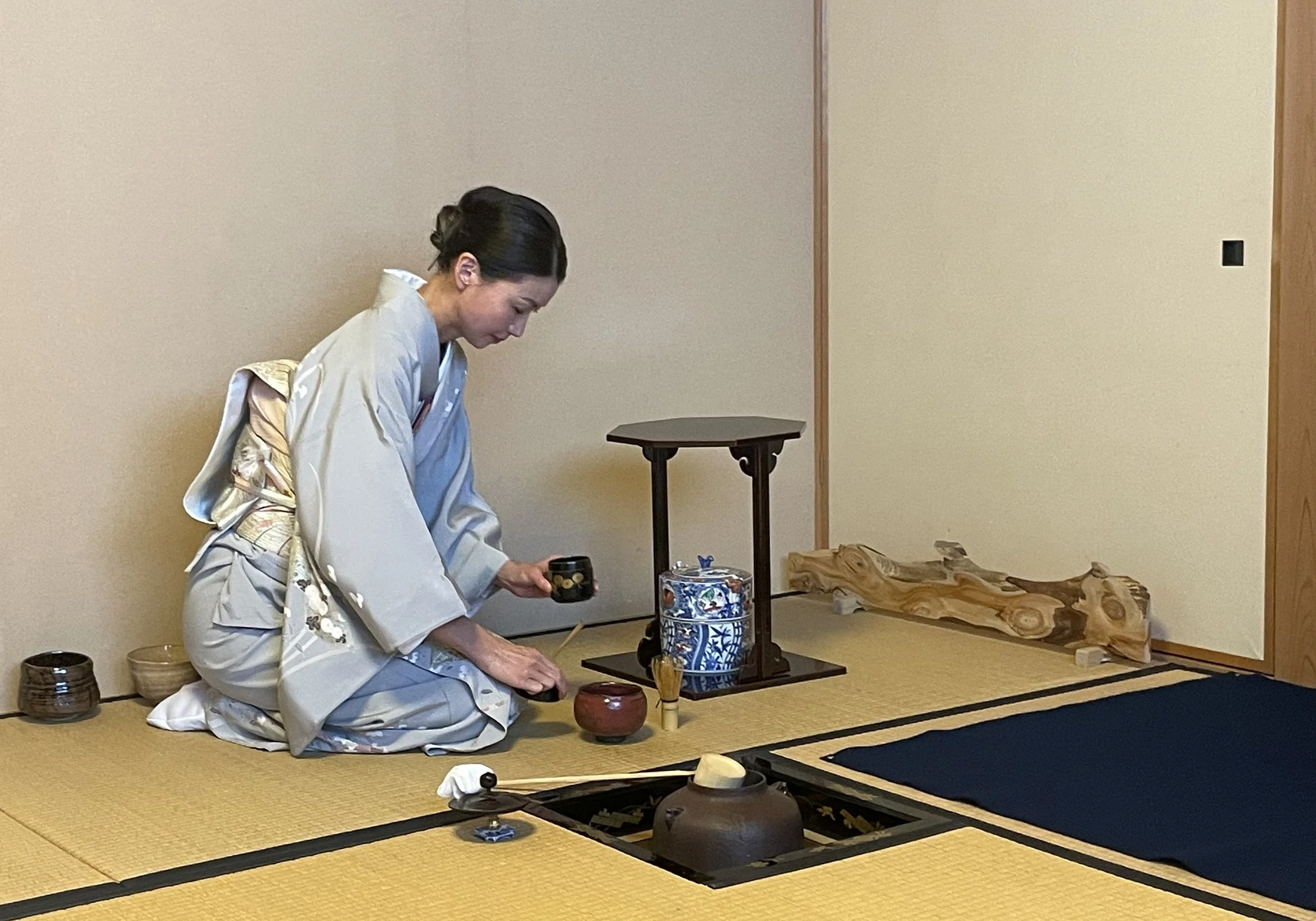
"I was in the tea ceremony club in high school but stopped when I went abroad. Now I have a whole new level of appreciation. To be able to focus entirely on the tea preparation is a very precious time. It calms the mind and helps me find a comfortable rhythm in life."
